

Thermoplastic Polyurethane Material Handling: Exploring Its Design Principles
Thermoplastic polyurethane (TPU) material handling systems represent a sophisticated solution for transporting and managing various materials in industrial settings. As a versatile and durable polymer, TPU offers unique advantages that make it an ideal choice for applications requiring flexibility, resilience, and chemical resistance. This article, presented by Shandong HeadPowder Engineering Co., Ltd., based in Shandong, China, delves into the core concepts of TPU material handling, focusing on its design principles and practical implications for modern industrial operations.
Understanding Thermoplastic Polyurethane (TPU)
Before exploring the design principles of TPU material handling, it is essential to grasp the fundamental properties of thermoplastic polyurethane. TPU is a type of polyurethane that can be melted and reformed through heating, unlike its thermoset counterparts. This thermoplastic nature allows for repeated processing, recycling, and customization, making it highly adaptable for diverse material handling tasks. Key characteristics of TPU include high elasticity, excellent abrasion resistance, and the ability to withstand a wide range of temperatures and chemicals. These attributes collectively contribute to its suitability for applications involving heavy loads, dynamic movements, and harsh environments.
The Core Design Principles of TPU Material Handling
The design of TPU material handling systems is guided by several critical principles that ensure efficiency, safety, and longevity. These principles are tailored to optimize the interaction between the material being transported and the TPU components, such as conveyor belts, rollers, and guides. The primary design considerations include load capacity, material compatibility, environmental resilience, and operational flexibility. Engineers and manufacturers must carefully evaluate these factors to develop systems that meet specific industrial requirements.
Load capacity is a fundamental design principle, as TPU components must be capable of supporting the weight and stress of the materials being handled. The thickness and density of the TPU material, along with its tensile strength, directly influence the load-bearing capacity. For instance, in heavy-duty applications like bulk material transport, thicker TPU belts or rollers may be employed to handle higher loads without compromising performance. Additionally, the design incorporates reinforcement mechanisms, such as metal cores or fabric layers, to enhance structural integrity and prevent deformation under heavy stress.
Material compatibility is another critical aspect of TPU material handling design. TPU's resistance to a wide array of chemicals, oils, and solvents makes it suitable for handling materials that are otherwise challenging to transport with traditional materials like rubber or plastic. This chemical resistance ensures that the TPU components remain intact and functional even when exposed to aggressive substances. Furthermore, TPU's ability to conform to irregular surfaces and maintain grip on various materials enhances its effectiveness in diverse handling scenarios. Engineers often select TPU formulations tailored to specific material types, such as abrasive powders or corrosive liquids, to maximize compatibility and minimize wear.
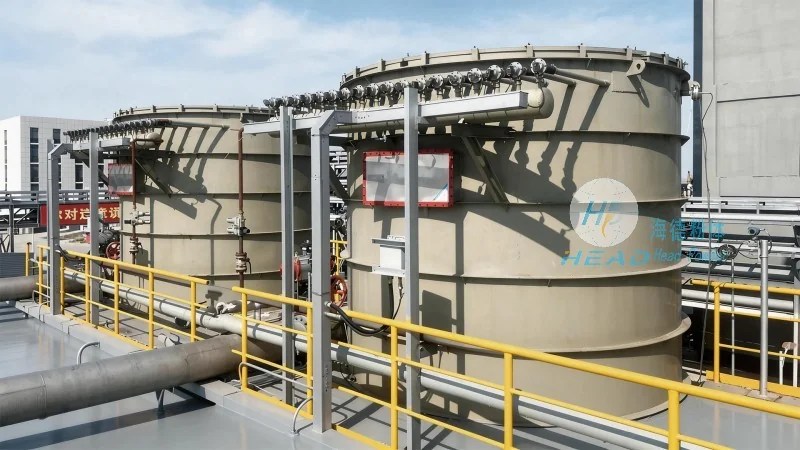
Environmental resilience is a key design principle that ensures TPU material handling systems can operate reliably in various conditions. TPU exhibits excellent resistance to temperature fluctuations, UV radiation, and moisture, which are common challenges in outdoor or industrial environments. This resilience allows the systems to maintain their performance over extended periods, reducing maintenance costs and downtime. The design may incorporate protective coatings or weather-resistant additives to further enhance durability in harsh climates. Additionally, the flexibility of TPU enables it to absorb impacts and vibrations, minimizing the risk of material spillage or equipment damage during transport.
Operational flexibility is a design principle that enables TPU material handling systems to adapt to changing operational needs. TPU components can be easily modified or replaced, allowing for quick adjustments to accommodate different material types or load sizes. This adaptability is particularly valuable in industries where production requirements may shift frequently, such as manufacturing or logistics. The modular design of TPU systems, with interchangeable belts, rollers, and guides, facilitates seamless integration and reconfiguration without extensive downtime. Furthermore, TPU's ability to be molded into complex shapes enables the creation of custom components that fit specific application requirements, enhancing overall system efficiency.
Applications of TPU Material Handling in Industrial Settings
TPU material handling systems find widespread application across various industries, including manufacturing, logistics, and material processing. In manufacturing, TPU conveyor belts are commonly used for transporting raw materials, finished products, and waste, particularly in environments where traditional materials may degrade or fail. The flexibility of TPU allows for smooth handling of irregularly shaped items, reducing the risk of damage during transport. In logistics, TPU rollers and guides are employed in automated sorting systems and material handling equipment, ensuring efficient movement of packages and goods. The chemical resistance of TPU also makes it suitable for handling hazardous materials, such as chemicals or pharmaceuticals, where safety and material integrity are paramount.
In material processing industries, TPU components are utilized in processes like mixing, blending, and conveying powders and granules. The abrasion resistance of TPU prevents wear and tear from abrasive materials, extending the lifespan of the equipment. Additionally, TPU's ability to maintain grip on slippery or sticky materials enhances the efficiency of material handling operations. For example, in food processing, TPU conveyor belts are preferred for their hygiene and resistance to cleaning agents, ensuring compliance with food safety regulations. In pharmaceutical manufacturing, TPU components are chosen for their biocompatibility and resistance to sterilization processes, maintaining product quality and safety.
Advantages of TPU Material Handling Systems
Compared to traditional material handling solutions, TPU systems offer several distinct advantages that contribute to their growing popularity in industrial applications. The primary benefit is the enhanced durability and longevity of TPU components, which result from their resistance to wear, chemicals, and temperature fluctuations. This durability reduces the frequency of replacements and maintenance, leading to lower operational costs over time. Additionally, TPU's flexibility allows for smoother material movement, minimizing the risk of product damage and improving overall efficiency.
Another significant advantage is the versatility of TPU material handling systems. The ability to customize TPU components to specific application requirements enables manufacturers to optimize their operations. Whether it's adjusting the thickness of a conveyor belt or modifying the texture of a roller surface, TPU offers flexibility that traditional materials may lack. This adaptability is particularly valuable in industries where product specifications or operational conditions change frequently.
Furthermore, TPU material handling systems contribute to improved safety and compliance in industrial settings. The chemical resistance of TPU ensures that materials are handled without contamination, which is critical in industries like food and pharmaceuticals. Additionally, the resilience of TPU components reduces the risk of equipment failure or material spillage, enhancing workplace safety. The design principles of TPU systems, which prioritize load capacity and environmental resilience, also align with regulatory requirements, making them a compliant choice for industrial operations.
Conclusion
Thermoplastic polyurethane material handling systems represent a cutting-edge solution for industrial material transport, combining durability, flexibility, and chemical resistance. The design principles underlying these systems—focused on load capacity, material compatibility, environmental resilience, and operational flexibility—ensure their effectiveness in diverse applications. As industries continue to seek efficient and reliable material handling solutions, TPU technology remains a preferred choice due to its ability to adapt to changing operational needs and maintain performance over time. For companies operating in manufacturing, logistics, or material processing sectors, investing in TPU material handling systems can lead to enhanced productivity, reduced costs, and improved safety. With its proven advantages and growing adoption, TPU material handling is poised to play an increasingly vital role in modern industrial operations.