

What is an Automatic Material Feeding and Dosing System? What are its Design Principles?
Understanding the automatic material feeding and dosing system is crucial for industries that rely on precise and efficient material handling. This system is designed to automate the process of measuring, transporting, and dispensing raw materials or components in manufacturing and processing applications. The core function of such a system is to ensure accurate and consistent material delivery, which is vital for maintaining product quality and operational efficiency.
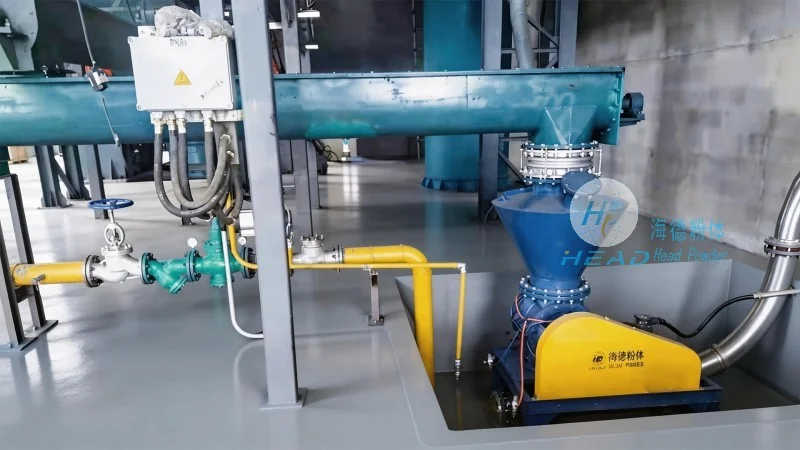
Key Components of an Automatic Material Feeding System
The automatic material feeding and dosing system typically consists of several key components that work in tandem to achieve precise material handling. These components include material hoppers or bins for storage, feeding mechanisms like vibratory feeders or screw conveyors to move material from storage to processing areas, and dosing devices such as gravimetric or volumetric feeders to control the exact amount of material dispensed. Additionally, control systems, often integrated with PLCs (Programmable Logic Controllers) or advanced software, manage the entire process, ensuring synchronization between feeding, dosing, and downstream operations.
Design Principles for Optimal Performance
The design principles of an automatic material feeding system are centered on precision, reliability, and adaptability to various material characteristics. Precision is achieved through the selection of appropriate dosing technologies—gravimetric feeders, for instance, provide high accuracy by measuring mass, while volumetric feeders offer a balance between accuracy and cost. Reliability is ensured by robust mechanical components, regular maintenance schedules, and redundant safety features that prevent material overflows or underflows. Adaptability is addressed by modular designs that allow for easy integration of different feeding mechanisms and material handling solutions, accommodating a wide range of raw materials from powders and granules to bulk solids.
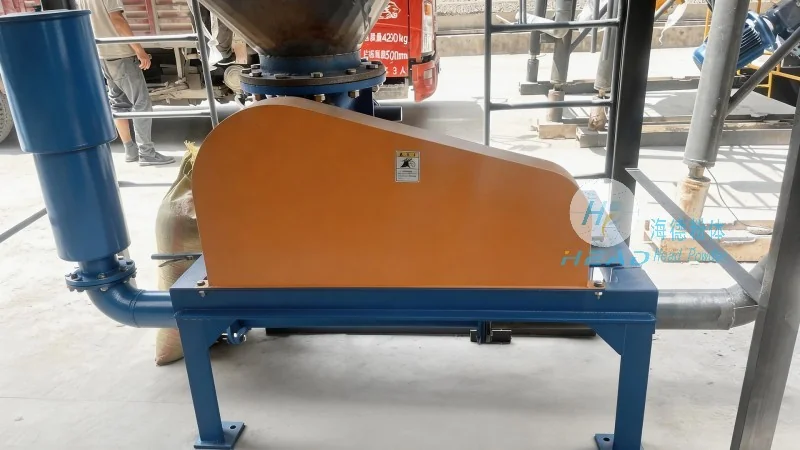
Application Scenarios and Industry Impact
Automatic material feeding systems are widely used across multiple industries, including pharmaceuticals, food processing, chemical manufacturing, and metal processing. In the pharmaceutical industry, for example, these systems are essential for ensuring the accurate dosing of active pharmaceutical ingredients (APIs) to meet stringent regulatory requirements. In food processing, they help maintain consistent ingredient ratios, which is critical for product taste and safety. The impact of these systems extends beyond individual processes; they contribute to overall production efficiency by reducing human error, minimizing material waste, and enabling faster production cycles. By integrating advanced control technologies and sensor systems, modern feeding systems can also provide real-time monitoring and data analytics, further enhancing operational insights and process optimization.
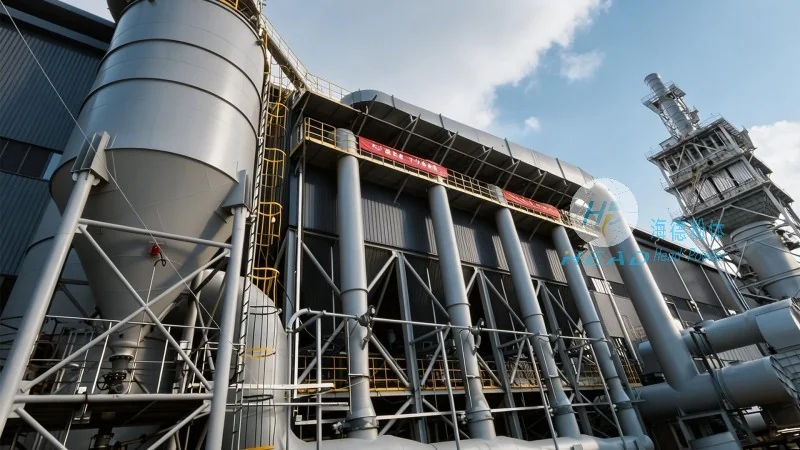
Customization and Integration with Existing Systems
Shandong HeadPowder Engineering Co., Ltd., a leading provider of material handling solutions, specializes in designing and manufacturing customized automatic material feeding systems tailored to specific client needs. The company’s approach emphasizes collaboration with clients to understand their unique operational challenges and material characteristics, ensuring that the final solution is both effective and cost-efficient. Customization options include adjustable feeding rates, material compatibility with different hopper sizes, and integration with existing production lines without disrupting current workflows. HeadPowder’s engineers utilize advanced engineering principles and industry best practices to develop systems that meet not only current but also future production demands, providing long-term value to their clients.
Conclusion: The Role of Advanced Material Handling in Modern Manufacturing
In conclusion, the automatic material feeding and dosing system represents a cornerstone of modern manufacturing, enabling industries to achieve higher levels of precision, efficiency, and consistency in material handling. The design principles that underpin these systems—precision dosing, reliable operation, and adaptability—ensure that they remain a vital component in production processes across various sectors. As industries continue to evolve and demand more sophisticated material handling solutions, the role of advanced feeding systems will only grow, driving further innovation and optimization in manufacturing operations. For businesses seeking to enhance their material handling capabilities, partnering with experienced providers like Shandong HeadPowder Engineering Co., Ltd. can provide the expertise and solutions needed to achieve operational excellence.