

What is an Automatic Weighing Material Handling System? What are its Design Principles?
Shandong HeadPowder Engineering Co., Ltd., a leading manufacturer based in Shandong, China, specializes in the design and production of advanced material handling systems. This article explores the concept of an automatic weighing material handling system, detailing its core components, operational principles, and the underlying design philosophy that ensures precision and efficiency in industrial material processing.
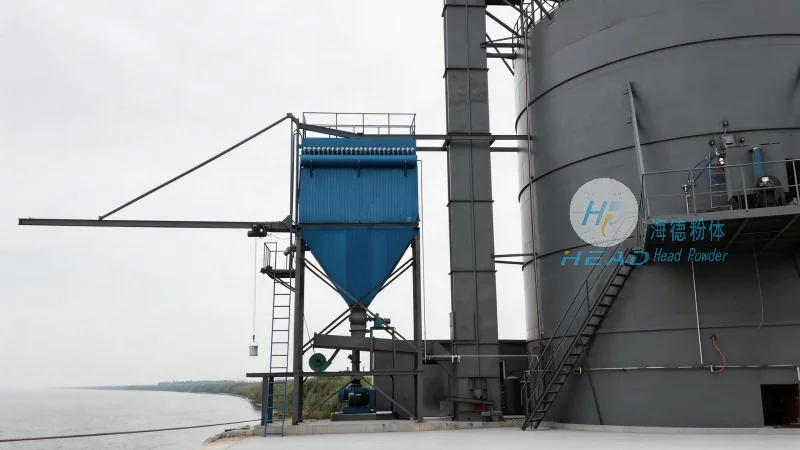
Understanding the Automatic Weighing Material Handling System
An automatic weighing material handling system is a sophisticated piece of industrial equipment engineered to transport bulk materials while simultaneously measuring their weight with high accuracy. This system integrates conveyor technology with precision weighing mechanisms, enabling seamless material flow from one processing stage to another. The primary goal is to enhance productivity by eliminating manual weighing steps and reducing human error in material handling operations.
Key Components and Their Roles
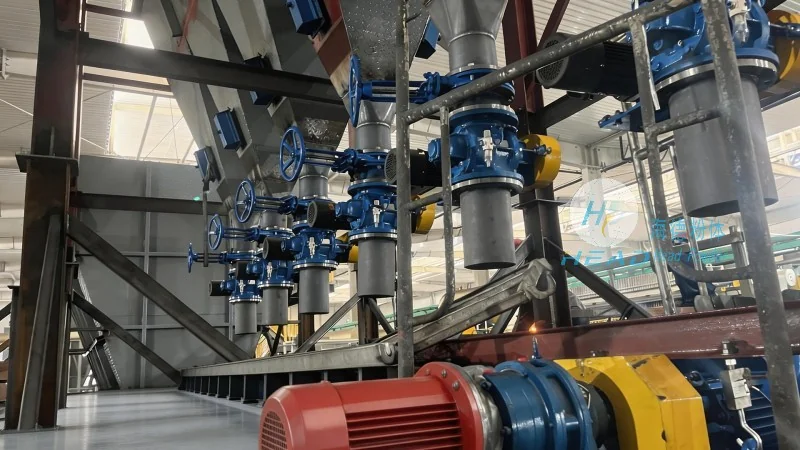
The system typically comprises several critical components, each playing a vital role in its overall functionality. The conveyor system, often a belt or chain conveyor, provides the primary means of material transport. This is coupled with a load cell or other weighing sensors that convert the weight of the material into electrical signals. A control unit, usually a programmable logic controller (PLC), processes these signals and manages the system's operations. Additionally, a data acquisition system records weight data, while safety features such as emergency stops and overload protection ensure operational safety.
Design Principles for Precision and Reliability
The design of an automatic weighing material handling system adheres to several fundamental principles to guarantee performance and reliability. First, the mechanical design focuses on durability and minimal maintenance, using robust materials and components that can withstand heavy loads and harsh industrial environments. The integration of the weighing module with the conveyor is critical; it must ensure that the material is weighed accurately without causing disruptions to the flow. This often involves careful calibration and alignment of the load cells to maintain consistent measurement accuracy.
Second, the control system employs advanced algorithms to process weight data in real-time. This allows for immediate adjustments to the conveyor speed or other parameters to maintain a consistent output. The use of sensors, such as level detectors or position sensors, further enhances the system's ability to detect and respond to changes in material volume or position. Moreover, the design incorporates redundancy and fail-safe mechanisms to prevent system downtime and ensure continuous operation.
Operational Workflow and Benefits
The operational workflow of an automatic weighing material handling system begins with the loading of material onto the conveyor. As the material moves, the weighing sensors continuously monitor its weight, providing data to the control unit. This data is then used to calculate the material's density, volume, or total mass, which can be used for inventory management or process control. The system can also trigger actions such as stopping the conveyor when a preset weight is reached or adjusting the feed rate to maintain a target output.
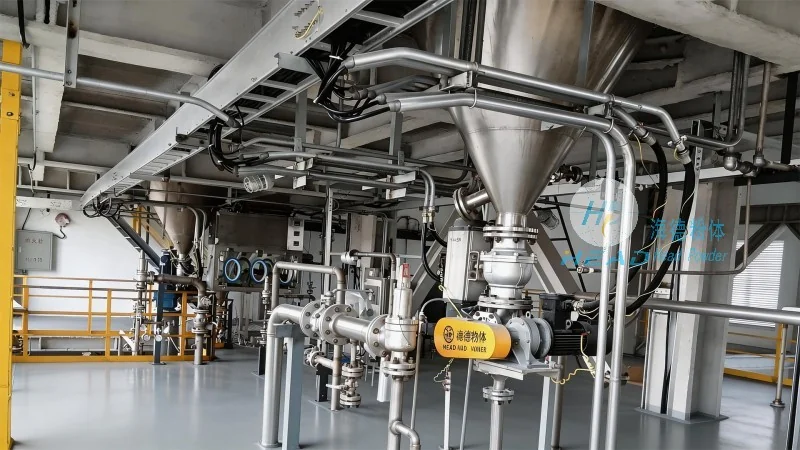
The benefits of implementing such a system are substantial. It significantly improves operational efficiency by automating the weighing process, reducing labor costs, and minimizing errors. The real-time data collection enables better decision-making and process optimization. Additionally, the system's reliability reduces maintenance costs and downtime, contributing to overall operational savings. For industries that handle large volumes of bulk materials, this technology is essential for maintaining competitive advantage and meeting quality standards.
Conclusion
In summary, an automatic weighing material handling system is a highly effective solution for modern industrial material processing. By combining advanced mechanical design with intelligent control systems, it ensures precise weight measurement and efficient material transport. Shandong HeadPowder Engineering Co., Ltd. leverages its expertise to develop such systems that meet the specific needs of various industries, providing reliable and efficient solutions for material handling challenges.