

What is a Fly Ash Material Handling System? And What Are Its Design Principles?
Efficient and reliable material handling is crucial in industrial applications, particularly in the power generation sector where fly ash management plays a pivotal role. This article delves into the concept of a fly ash material handling system, exploring its core components, operational mechanisms, and the underlying design principles that ensure optimal performance. By understanding these elements, industries can enhance operational efficiency, reduce downtime, and maintain compliance with environmental regulations.
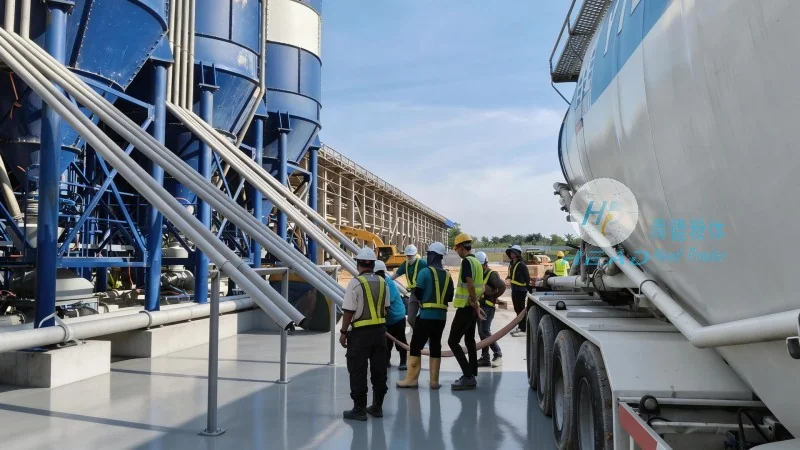
Introduction to Fly Ash Material Handling Systems
Fly ash, a byproduct of coal combustion in thermal power plants, is a fine particulate material that requires specialized handling due to its abrasive nature and potential environmental impact. A fly ash material handling system is a comprehensive solution designed to collect, transport, store, and dispose of fly ash in a controlled manner. These systems are integral to modern power plants, as they facilitate the safe and efficient management of this waste material, which can also be repurposed as a valuable resource in construction and other industries.
Key Components of a Fly Ash Material Handling System
The design of a fly ash material handling system typically involves several interconnected components, each serving a specific function to ensure seamless operation. The primary components include:
1. Collection Hoppers: These are large, reinforced containers positioned at the bottom of the boiler or at the outlet of the electrostatic precipitator (ESP) or baghouse. They collect the fly ash as it is discharged from the air pollution control devices. The design of the hoppers is critical to prevent material buildup and ensure smooth flow into the subsequent transport stages.
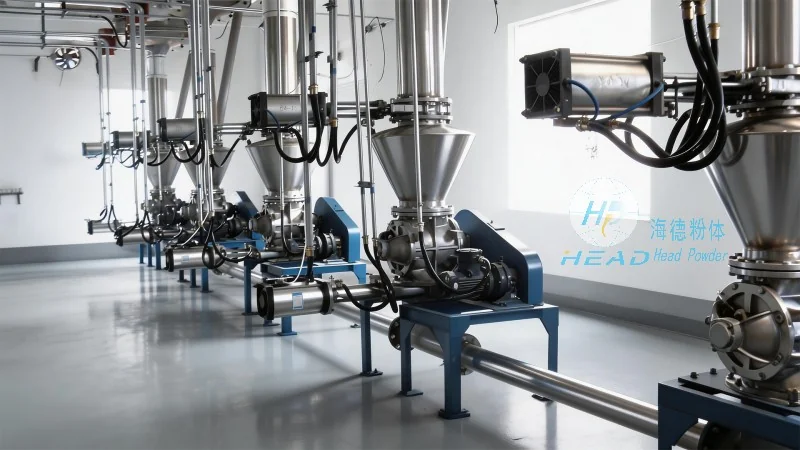
2. Conveying Equipment: This includes various types of conveyor systems such as belt conveyors, screw conveyors, and pneumatic conveying lines. Belt conveyors are commonly used for horizontal and slight incline transport due to their high load capacity and durability. Screw conveyors are ideal for vertical or inclined transport, while pneumatic systems use air pressure to move the material through pipes, offering flexibility in layout.
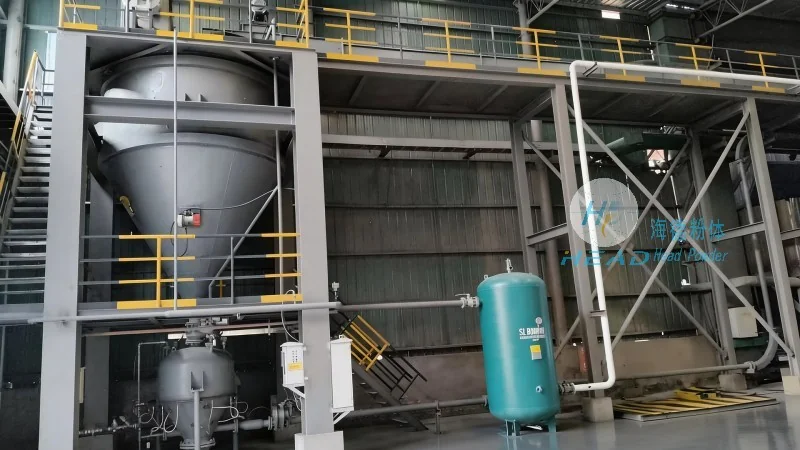
3. Storage Silos: After transport, fly ash is often stored in large silos or storage tanks. These structures are designed to accommodate significant volumes of material and maintain consistent pressure and temperature conditions. The silos may include features like agitators or air cannons to prevent material bridging and ensure uniform discharge.
4. Distribution Systems: Once stored, the fly ash can be distributed to various end-use applications. This may involve additional conveying systems or processing equipment to prepare the material for use in concrete, brick manufacturing, or as a filler in other products. The distribution system ensures that the material is delivered to its intended destination efficiently and without loss.
Design Principles for Optimal Performance
The design of a fly ash material handling system is guided by several key principles to ensure reliability, efficiency, and safety. These principles include:
1. Material Compatibility: The system components must be constructed from materials that can withstand the abrasive and corrosive nature of fly ash. Common materials include high-strength steel, stainless steel, and specialized coatings to prevent wear and degradation over time.
2. Flow Control: Proper design of hoppers, chutes, and conveyors is essential to maintain consistent material flow. This involves considering the angle of repose of fly ash, which is typically around 30-45 degrees, and designing components to prevent material bridging, arching, or ratholing. Flow control devices such as vibrators, air cannons, or mechanical agitators may be incorporated to ensure smooth material movement.
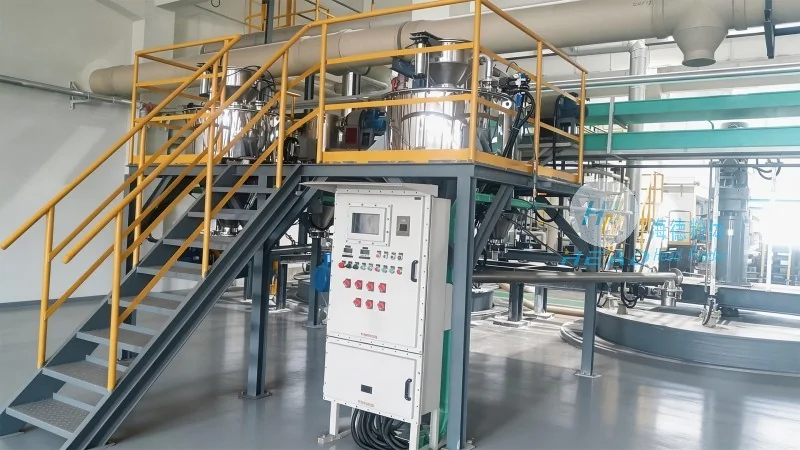
3. Environmental and Safety Considerations: Fly ash handling systems must comply with environmental regulations and ensure worker safety. This includes features like dust suppression systems, enclosed conveyor lines to prevent dust emissions, and proper ventilation to maintain air quality. The system design also considers the potential for dust explosions, incorporating explosion-proof components and venting systems as required.
4. Scalability and Flexibility: Modern fly ash handling systems are designed to be scalable, allowing for future expansion or integration with other material handling processes. The layout and components are often modular, enabling easy modifications or upgrades as operational needs change. This flexibility ensures that the system remains effective over the long term and can adapt to evolving industry requirements.
Role of Shandong HeadPowder Engineering Co., Ltd.
Shandong HeadPowder Engineering Co., Ltd., a leading provider of industrial material handling solutions, specializes in designing and manufacturing fly ash material handling systems tailored to the specific needs of power plants and other industrial facilities. With a focus on innovation and adherence to industry standards, the company offers comprehensive services, including system design, equipment supply, and installation support. HeadPowder's expertise in material handling technology ensures that their systems are reliable, efficient, and compliant with environmental regulations. The company's headquarters is located in Shandong, China, where they leverage local resources and expertise to deliver high-quality solutions to clients worldwide.