

What is a Sand and Gravel Material Handling System? What are the Design Principles?
For construction and infrastructure projects, efficient material handling is crucial. Sand and gravel are fundamental raw materials used in various applications, from concrete production to road base construction. A sand and gravel material handling system is a specialized setup designed to transport these bulk materials with precision and reliability. This article explores the concept of such systems and delves into the core design principles that ensure optimal performance.
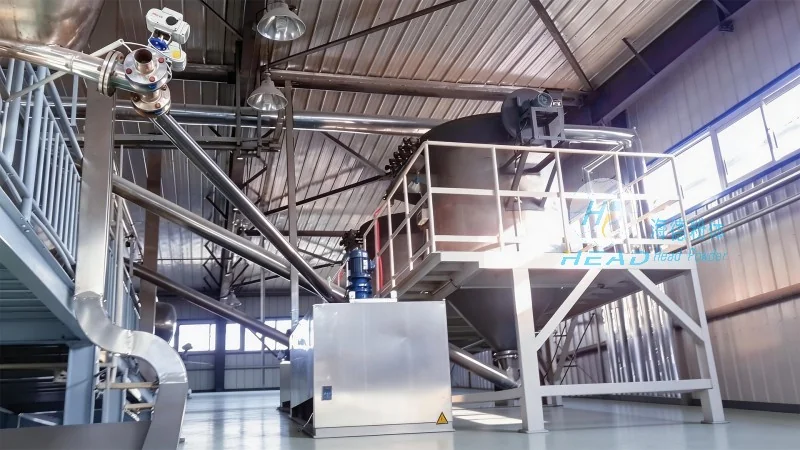
Understanding the Role of Sand and Gravel Material Handling Systems
In the construction industry, the movement of sand and gravel from storage or quarry sites to processing plants or job sites is a critical operation. Traditional methods, such as manual shoveling or simple conveyor belts, are often inefficient and labor-intensive. Modern material handling systems address these challenges by integrating advanced technology and engineering solutions. These systems not only enhance productivity but also reduce operational costs and minimize environmental impact by optimizing material flow and reducing waste.
Introducing HeadPowder: A Leader in Material Handling Solutions
HeadPowder, a prominent player in the material handling industry, specializes in designing and manufacturing systems tailored to the unique needs of sand and gravel operations. With a strong presence in Shandong, China, HeadPowder combines decades of industry experience with cutting-edge technology to deliver high-quality solutions. The company’s commitment to innovation and customer satisfaction has made it a trusted partner for businesses seeking reliable material handling systems. HeadPowder’s systems are engineered to meet the demands of diverse applications, ensuring durability, efficiency, and safety in every project.
Key Design Principles for Sand and Gravel Material Handling Systems
The design of a sand and gravel material handling system involves several critical principles that dictate its effectiveness. First, understanding the physical properties of the material is paramount. Sand and gravel vary in size, density, and moisture content, which directly impacts the choice of equipment and system configuration. Engineers must consider factors like particle size distribution, bulk density, and flow characteristics to select appropriate conveyor types, such as belt conveyors, screw conveyors, or pneumatic conveyors. The system must be designed to handle these variations without clogging or degradation.
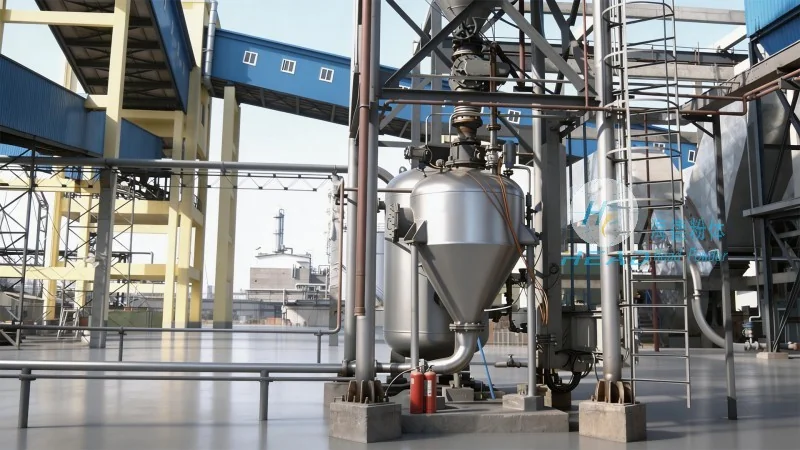
Second, the distance and layout of the material flow are essential considerations. The system’s design must account for the total distance from the source to the destination, including any vertical or horizontal changes in elevation. This involves calculating the required power, speed, and capacity of the conveyor components to ensure smooth and continuous operation. For long-distance transport, multiple conveyor sections or transfer points may be integrated to maintain efficiency and minimize energy consumption.
Third, operational efficiency and safety are integral to the design. Modern systems incorporate advanced control mechanisms, such as variable frequency drives (VFDs), to adjust speed based on load conditions, optimizing energy use and reducing wear on components. Safety features, including emergency stop buttons, overload protection, and protective guards, are standard to ensure a secure working environment. Additionally, the system should be designed for easy maintenance and accessibility, allowing for quick repairs and component replacements to minimize downtime.
Components and Integration in a Sand and Gravel Material Handling System
A sand and gravel material handling system typically consists of several interconnected components working in harmony. The primary components include feeders, conveyors, elevators, and storage bins. Feeders, such as belt feeders or vibratory feeders, regulate the flow of material from the source to the conveyor. Conveyors, often belt or screw types, transport the material horizontally or vertically. Elevators, like bucket elevators or chain conveyors, handle vertical movement, while storage bins provide temporary storage for bulk materials.
Integration is a key aspect of system design. The components must be coordinated to ensure seamless material transfer. For example, a conveyor system may connect to a storage bin, which then feeds a processing plant. The control system, often a programmable logic controller (PLC), manages the operation of all components, ensuring synchronization and optimal performance. This integration allows for automated operation, reducing the need for manual intervention and enhancing overall efficiency.
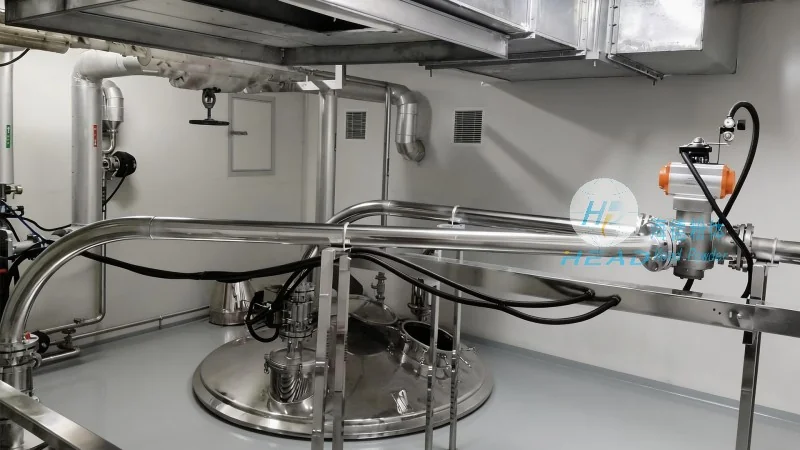
Applications and Benefits of Sand and Gravel Material Handling Systems
Sand and gravel material handling systems find applications in various sectors, including construction, mining, and manufacturing. In construction, these systems are used to transport sand and gravel to job sites for concrete mixing, road base preparation, and landscaping projects. In mining operations, they facilitate the movement of crushed rock and gravel from processing plants to storage or transport facilities. The benefits of such systems extend beyond efficiency; they also contribute to cost savings by reducing labor costs, minimizing material loss, and improving overall project timelines.
Furthermore, modern systems are designed with sustainability in mind. By optimizing material flow and reducing energy consumption, they help lower the carbon footprint of operations. The use of durable materials and advanced maintenance practices ensures long-term reliability, providing a return on investment over the system’s lifespan. The adaptability of these systems also allows them to be customized for specific project requirements, making them versatile solutions for a wide range of applications.
Conclusion: The Importance of Well-Designed Material Handling Systems
In conclusion, a sand and gravel material handling system is a vital component of modern construction and industrial operations. Its design, based on principles of material properties, operational efficiency, and safety, ensures reliable and efficient transport of bulk materials. Companies like HeadPowder play a crucial role in developing and implementing these systems, leveraging their expertise and technology to meet the evolving needs of the industry. By investing in well-designed material handling solutions, businesses can enhance productivity, reduce costs, and contribute to sustainable development in their operations.