

What is a Food Material Handling System? What are the Design Principles?
Food material handling systems are critical components in the food processing industry, designed to efficiently transport, sort, and manage various food products from raw materials to finished goods. These systems play a pivotal role in ensuring operational efficiency, maintaining product quality, and adhering to stringent hygiene standards. Understanding the core components and design principles of such systems is essential for businesses aiming to optimize their production lines and meet industry regulations.
Introduction to Food Material Handling Systems
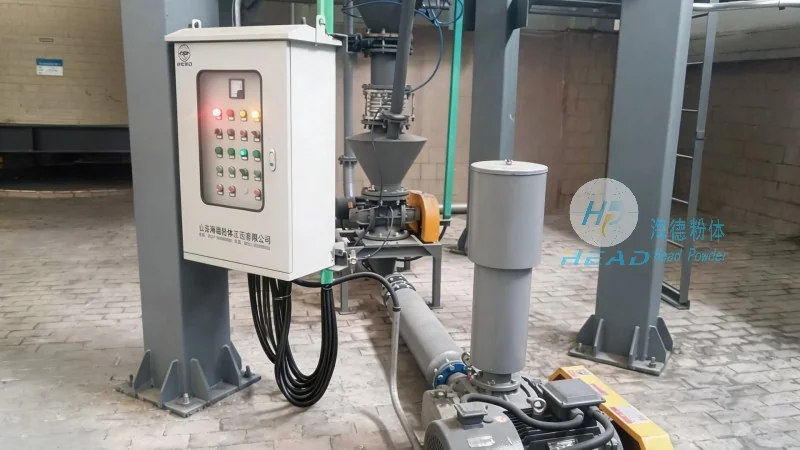
A food material handling system encompasses a range of equipment and processes used to move food items within a processing facility. This includes conveyors, elevators, sorters, and storage solutions, all tailored to handle different types of food products, such as bulk grains, packaged snacks, or fresh produce. The primary goal of these systems is to streamline the flow of materials, reduce manual labor, and minimize the risk of contamination or damage to the products.
About Shandong HeadPowder Engineering Co., Ltd.
HeadPowder, a leading manufacturer in the field, specializes in designing and supplying customized food material handling solutions. With a strong presence in China, particularly in Shandong province, the company has built a reputation for delivering high-quality, reliable systems that meet the unique needs of the food industry. Shandong HeadPowder Engineering Co., Ltd. combines advanced engineering expertise with a deep understanding of food safety regulations to provide comprehensive solutions for its clients.
Key Design Principles for Food Material Handling Systems
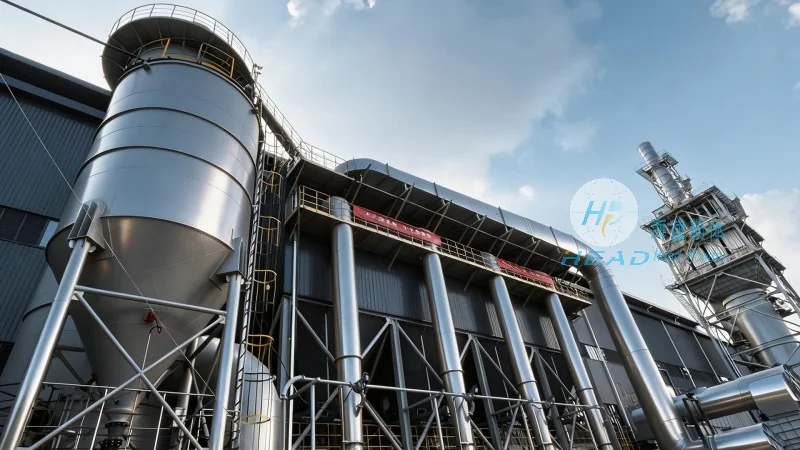
The design of a food material handling system is guided by several fundamental principles that ensure functionality, safety, and efficiency. First, hygienic design is paramount, as systems must be constructed from materials that are easy to clean and sanitize, such as stainless steel, to prevent the growth of bacteria or other contaminants. Second, the system must be designed to handle the specific characteristics of the food products, including size, weight, and moisture content, to avoid product damage or system failure. Third, energy efficiency is a key consideration, as reducing energy consumption not only lowers operational costs but also aligns with sustainability goals. Additionally, the system should be modular and scalable, allowing for easy integration with existing production lines and future expansion.
Components and Functions of Food Material Handling Systems
Food material handling systems typically consist of several interconnected components, each serving a specific function. Conveyors, such as belt conveyors or chain conveyors, are used to transport products horizontally or at an incline. Elevators, including bucket elevators or screw conveyors, are employed to move materials vertically, often from lower to higher levels in a facility. Sorters, like vibratory sorters or optical sorters, are used to separate products based on size, weight, or color, ensuring only qualified items proceed to the next stage. Storage solutions, such as silos or bulk bins, are integrated to hold raw materials or intermediate products, providing a buffer for production flow.
Application in the Food Industry
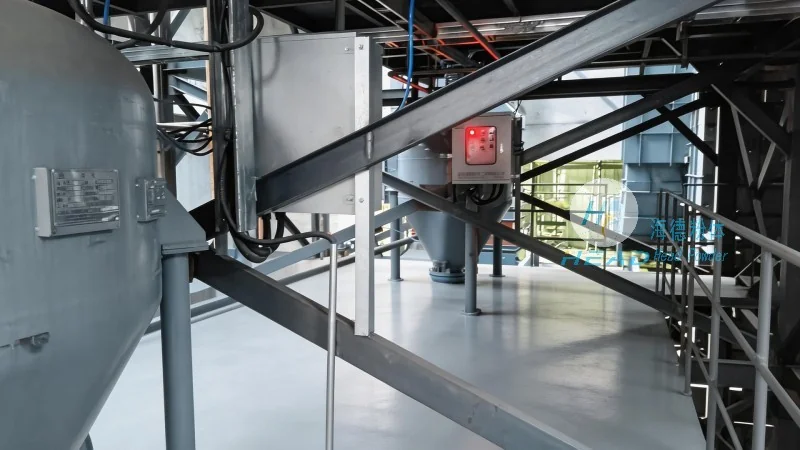
The application of food material handling systems varies across different segments of the food industry. In the bakery sector, systems may be used to transport dough, baked goods, or ingredients through production lines. In the dairy industry, systems handle milk, cheese, or yogurt, ensuring proper temperature control and hygiene. For the snack food industry, systems manage packaging materials, finished products, and waste, optimizing the entire packaging process. Each application requires a tailored design that addresses the specific challenges and requirements of the product and the production environment.
Conclusion
Food material handling systems are indispensable in modern food processing operations, and their effective design is crucial for operational success. By adhering to hygienic standards, considering product characteristics, and prioritizing efficiency, these systems enable businesses to maintain high-quality standards while reducing costs and improving productivity. Companies like Shandong HeadPowder Engineering Co., Ltd. play a vital role in providing the expertise and solutions needed to implement such systems, supporting the food industry's continuous evolution and growth.