

What is a Denitrization Fly Ash Material Handling System? And What Are Its Design Principles?
Denitrization fly ash material handling systems are specialized equipment used in power plants and industrial facilities to transport and manage fly ash, a byproduct of the selective catalytic reduction (SCR) process for nitrogen oxide (NOx) reduction. These systems are crucial for maintaining operational efficiency and environmental compliance in modern industrial settings. The design of such systems involves a combination of mechanical engineering principles, material science, and process control to ensure safe, reliable, and efficient handling of the ash.
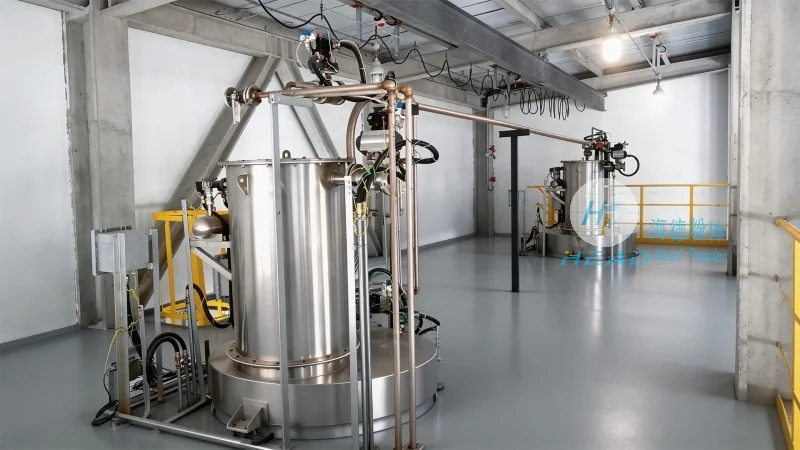
Overview of the System's Function and Importance
At its core, a denitrization fly ash material handling system is responsible for collecting, transporting, and storing fly ash from the SCR reactor and other associated equipment. The system typically includes components like ash hoppers, conveyor belts, pneumatic conveying systems, and storage silos. The primary goal is to minimize the environmental impact of fly ash disposal while ensuring that the material is handled in a manner that protects both personnel and the environment. This involves controlling dust emissions, preventing material blockages, and maintaining consistent flow rates throughout the process.
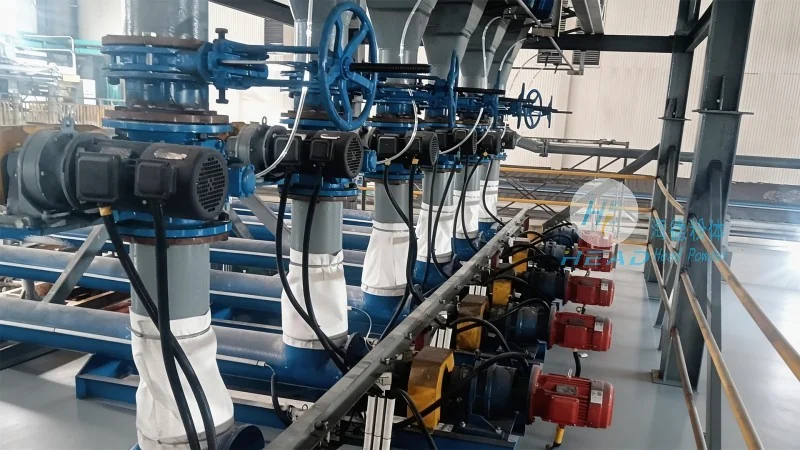
Core Components and Their Roles in the System
The key components of a denitrization fly ash material handling system include: 1. Ash Collection Hoppers: These are large containers that collect fly ash from the SCR reactor and other sources. They are designed to handle high-temperature and high-volume ash flows, often equipped with insulation and temperature control systems to prevent overheating. 2. Conveyor Systems: Depending on the plant's layout, conveyor belts or screw conveyors may be used to transport ash from the collection hoppers to the storage or disposal areas. These systems are typically made of corrosion-resistant materials to withstand the acidic and abrasive nature of fly ash. 3. Pneumatic Conveying Systems: For longer transport distances or when handling fine particles, pneumatic systems use air pressure to move ash through pipes. This method is efficient for high-volume, low-density materials and helps reduce the risk of dust exposure. 4. Storage Silos: These are large, airtight structures that store the collected ash until it is transported to a disposal site or used for other purposes, such as in construction materials. The silos are designed with structural integrity and dust control measures to ensure safe storage.
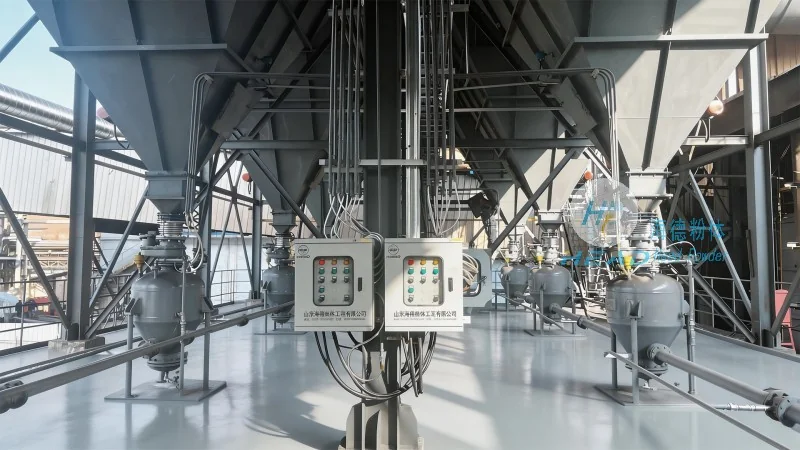
Design Principles for Efficient Material Handling
The design principles for an efficient denitrization fly ash material handling system focus on several critical factors: 1. Material Compatibility: The system must be constructed from materials that can withstand the chemical and physical properties of fly ash, including its acidity, abrasiveness, and temperature. Common materials include stainless steel, high-density polyethylene (HDPE), and specialized alloys to prevent corrosion and wear. 2. Flow Control: Proper design ensures consistent and controlled flow of ash through the system. This involves using appropriate hopper angles, conveyor speeds, and pressure differentials in pneumatic systems to prevent blockages and ensure smooth operation. 3. Dust Control: Effective dust suppression is essential to protect workers and the environment. Systems often include dust collection units, wet scrubbers, or enclosed conveyor designs to minimize airborne particles. 4. Safety and Reliability: The design incorporates safety features such as emergency stop mechanisms, temperature monitoring, and material flow sensors to prevent accidents and ensure continuous operation. 5. Scalability and Flexibility: Modern systems are designed to be scalable, allowing for future expansion or integration with other plant processes. This includes modular components that can be easily added or modified to meet changing operational needs.
Application Scenarios and Practical Considerations
Denitrization fly ash material handling systems are commonly used in thermal power plants, coal-fired power stations, and industrial facilities that employ SCR technology for NOx reduction. The systems are tailored to the specific characteristics of the plant, including the size of the ash flow, the distance to the storage or disposal site, and the available space for equipment installation. Practical considerations include the need for regular maintenance, such as cleaning of conveyor belts and replacement of wear parts, to ensure long-term reliability. Additionally, the system must comply with local environmental regulations regarding ash disposal and emissions, which may require additional filtration or treatment steps.
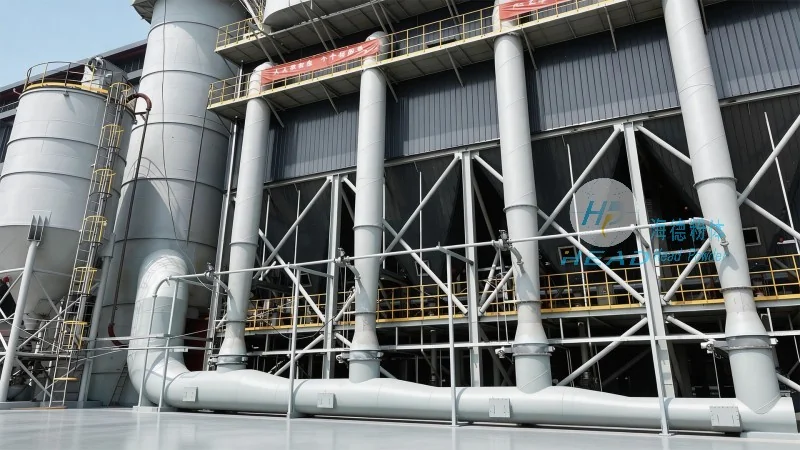
Company Profile: Shandong HeadPowder Engineering Co., Ltd.
Shandong HeadPowder Engineering Co., Ltd. is a leading manufacturer and supplier of industrial material handling systems, including denitrization fly ash material handling systems. Based in Shandong, China, the company specializes in designing, manufacturing, and installing equipment that meets the highest standards of efficiency, safety, and environmental compliance. With years of experience in the power and industrial sectors, HeadPowder provides customized solutions tailored to the unique needs of each client, ensuring optimal performance and reliability. The company's commitment to quality and innovation has made it a trusted partner for facilities worldwide seeking to improve their ash handling processes and reduce operational costs.