

Design of a Borax Negative Pressure Pneumatic Conveying System
HeadPowder, a leading engineering firm based in Shandong, China, specializes in the design and implementation of advanced material handling solutions. One of their key offerings is the Borax Negative Pressure Pneumatic Conveying System, engineered to efficiently transport borax and similar bulk materials with precision and reliability.
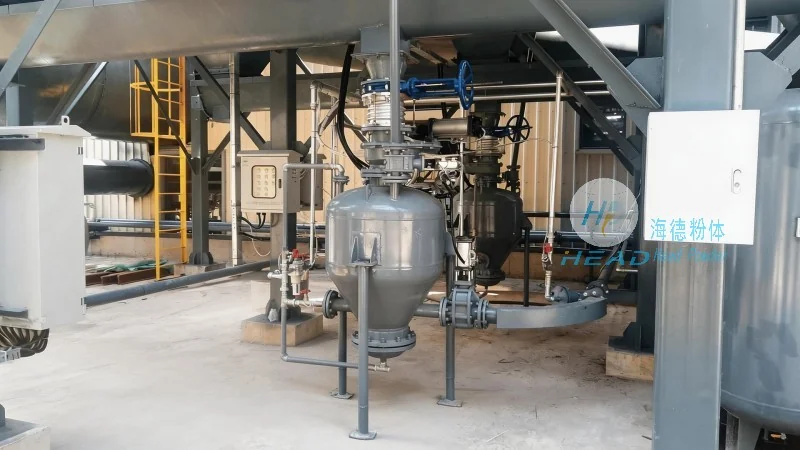
System Overview and Core Components
The Borax Negative Pressure Pneumatic Conveying System is a sophisticated piece of equipment designed to handle the unique challenges of borax transportation. At its heart, the system operates on the principle of negative pressure, where air is drawn through the material to create a vacuum that pulls the product through the pipeline. This method offers several advantages over traditional positive pressure systems, including reduced energy consumption, lower operational costs, and enhanced safety by minimizing dust exposure.
Key components of the system include a high-efficiency vacuum pump, a material feed hopper equipped with a rotary valve for controlled discharge, and a series of flexible or rigid pipelines tailored to the specific layout of the facility. The vacuum pump is selected based on the required airflow rate and the distance over which the material must be conveyed, ensuring optimal performance and minimal pressure drop. The feed hopper is designed with a dust collection system to prevent particulate matter from escaping into the environment, aligning with environmental regulations and operational standards.
Engineering Design Considerations for Borax Handling
When designing a pneumatic conveying system for borax, several factors must be carefully considered to ensure the system's longevity and efficiency. Borax is a hygroscopic material, meaning it absorbs moisture from the air, which can lead to caking or blockages in the pipeline if not managed properly. The system incorporates moisture control measures, such as heated pipelines or desiccant air filters, to maintain the material's dryness and prevent operational issues.
Corrosion resistance is another critical consideration, as borax solutions can be mildly acidic and may cause wear on metal components over time. The system utilizes corrosion-resistant materials, such as stainless steel or specialized coatings, for the hopper, pipelines, and pump components. This ensures the equipment maintains its structural integrity and operational performance even under prolonged exposure to the material.
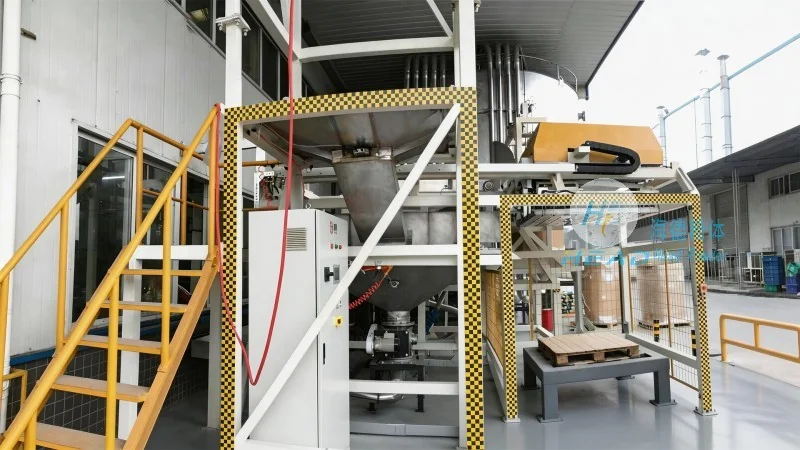
The system's design also addresses the need for precise flow control. Borax is often transported in varying quantities and at different speeds depending on production requirements. The rotary valve in the feed hopper allows for adjustable flow rates, while the vacuum pump's variable speed drive enables real-time adjustments to maintain consistent material throughput. This flexibility ensures the system can adapt to changing production demands without compromising efficiency.
Operational Advantages and Applications
The Borax Negative Pressure Pneumatic Conveying System offers numerous operational advantages that make it an ideal choice for industrial applications. One of the primary benefits is its ability to transport borax over long distances with minimal loss of material quality. The negative pressure method reduces the risk of product degradation, ensuring that the borax reaches its destination in the same condition as when it was initially loaded.
Additionally, the system enhances workplace safety by minimizing direct handling of the material. The enclosed pipeline system and integrated dust collection reduce exposure to airborne particles, creating a cleaner and safer working environment. This is particularly important in facilities where borax is processed in large quantities, as it helps comply with occupational health and safety regulations.
The system's energy efficiency is another significant advantage. By operating on negative pressure, the system consumes less power compared to positive pressure systems, leading to lower operational costs over the long term. This makes it a cost-effective solution for businesses looking to optimize their material handling processes while reducing their environmental footprint.
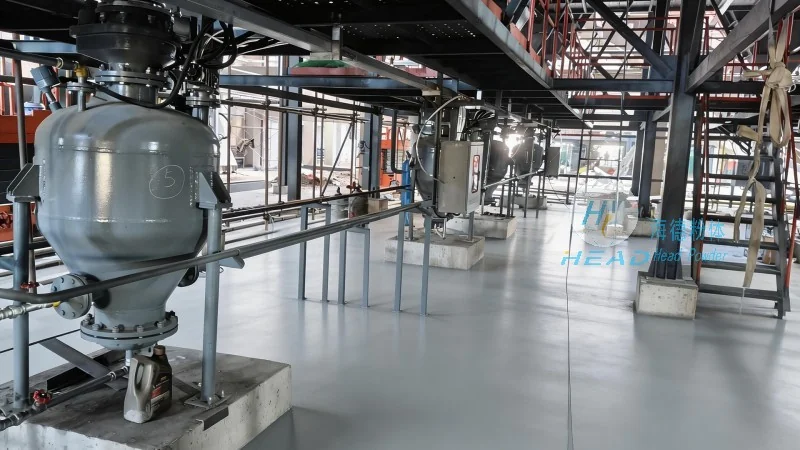
Borax is widely used in various industries, including glass manufacturing, detergents, and food processing. The system's versatility allows it to be integrated into existing production lines or used as a standalone solution for material transport. Whether for bulk storage, processing, or distribution, the Borax Negative Pressure Pneumatic Conveying System provides a reliable and efficient method for handling borax and similar materials.
Company Background and Commitment to Quality
HeadPowder Engineering Co., Ltd., based in Shandong, China, has established itself as a trusted provider of engineering solutions for the chemical and material handling industries. With years of experience in designing and implementing pneumatic conveying systems, the company has developed a deep understanding of the unique challenges associated with handling bulk materials like borax.
The company's commitment to quality is reflected in its adherence to international standards and rigorous testing protocols. Each Borax Negative Pressure Pneumatic Conveying System is engineered to meet the specific requirements of the client, ensuring that the final product is not only efficient but also durable and reliable. HeadPowder's team of experienced engineers and technicians work closely with clients to understand their operational needs and provide tailored solutions that enhance productivity and reduce downtime.
By combining advanced engineering principles with a customer-centric approach, HeadPowder has become a leader in the field of material handling solutions. The Borax Negative Pressure Pneumatic Conveying System is a testament to the company's ability to deliver innovative and effective solutions that meet the evolving needs of the industry.