

Design of Clay Negative Pressure Pneumatic Conveying Equipment
Clay, a versatile and widely used raw material in various industries such as ceramics, construction, and chemical manufacturing, often poses unique challenges during material handling. Traditional methods like manual transport or mechanical conveyors may not be efficient or suitable for handling clay due to its high moisture content, cohesive properties, and tendency to clog or degrade equipment. Negative pressure pneumatic conveying systems offer an effective solution to address these challenges by utilizing air flow to transport clay particles through pipelines under reduced pressure conditions. This article explores the design principles, key components, and practical applications of a specialized negative pressure pneumatic conveying equipment tailored for clay material handling.
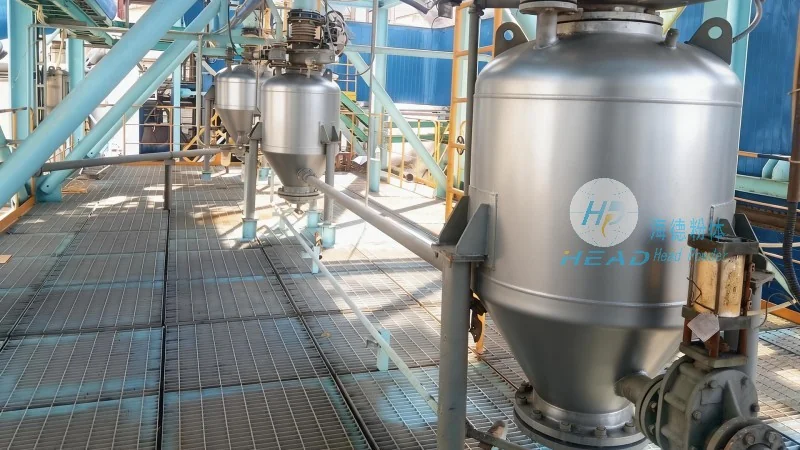
Key Design Considerations for Clay Negative Pressure Pneumatic Conveying
The successful design of a clay negative pressure pneumatic conveying system requires careful consideration of several critical factors to ensure optimal performance, efficiency, and durability. First, the material properties of clay, including its particle size distribution, moisture content, and bulk density, must be thoroughly analyzed. These characteristics directly influence the air velocity, pressure drop, and equipment sizing required for effective transport. For instance, fine-grained clay with high moisture content may necessitate higher air velocities to prevent blockages and ensure consistent flow. Additionally, the system's capacity and throughput requirements must be determined based on the production scale and operational needs of the end-user. This involves calculating the required conveying rate, which is typically expressed in terms of mass flow rate per unit time, and selecting appropriate pipeline diameters and lengths to accommodate the material volume.
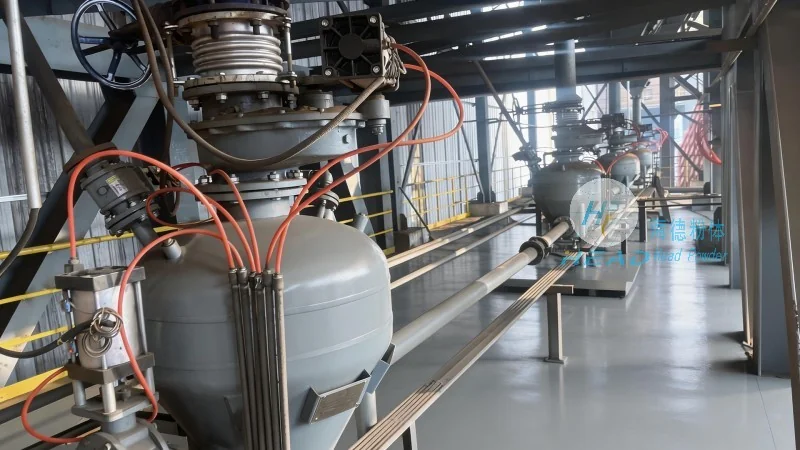
Core Components of the Negative Pressure Pneumatic Conveying Equipment
The negative pressure pneumatic conveying system for clay consists of several interconnected components that work in harmony to achieve efficient material transport. The primary components include a suction hopper, a rotary airlock valve, a filter and cyclone separator, and a vacuum pump or fan. The suction hopper serves as the material inlet, where clay is loaded and drawn into the system under negative pressure. The rotary airlock valve acts as a controlled flow regulator, preventing backflow and ensuring a steady supply of material to the conveying line. The filter and cyclone separator are crucial for maintaining system cleanliness and separating clay particles from the air stream, preventing dust accumulation and protecting downstream equipment. The vacuum pump or fan generates the necessary negative pressure to pull the material through the pipeline, with the choice of equipment depending on the system's pressure requirements and power availability.
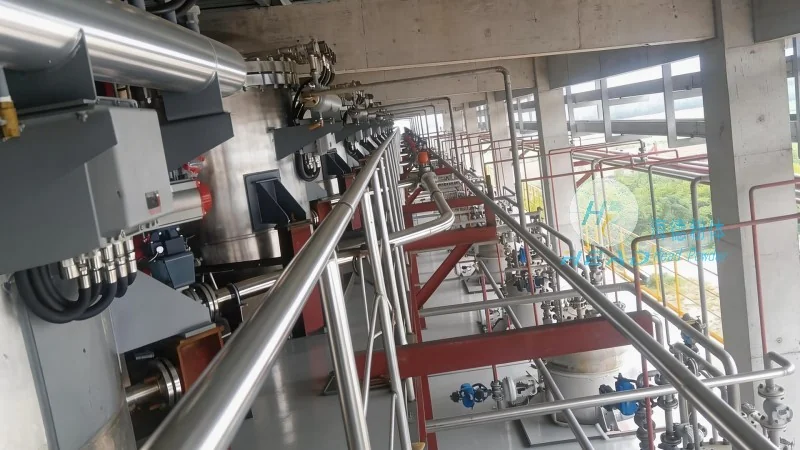
Company Profile: Shandong HeadPowder Engineering Co., Ltd.
HeadPowder, a leading engineering company based in Shandong, China, specializes in the design, manufacturing, and installation of advanced material handling systems, including negative pressure pneumatic conveying equipment. With years of experience in the industry, HeadPowder has developed a strong reputation for delivering high-quality, customized solutions tailored to the specific needs of clients. The company's team of experienced engineers and technicians leverages cutting-edge technology and rigorous quality control processes to ensure that each product meets or exceeds industry standards. HeadPowder's commitment to innovation and customer satisfaction has enabled it to serve a diverse range of industries, from ceramics and construction to chemical and pharmaceutical manufacturing. The company's headquarters and main production facility are located in Shandong, China, providing easy access to local resources and expertise.
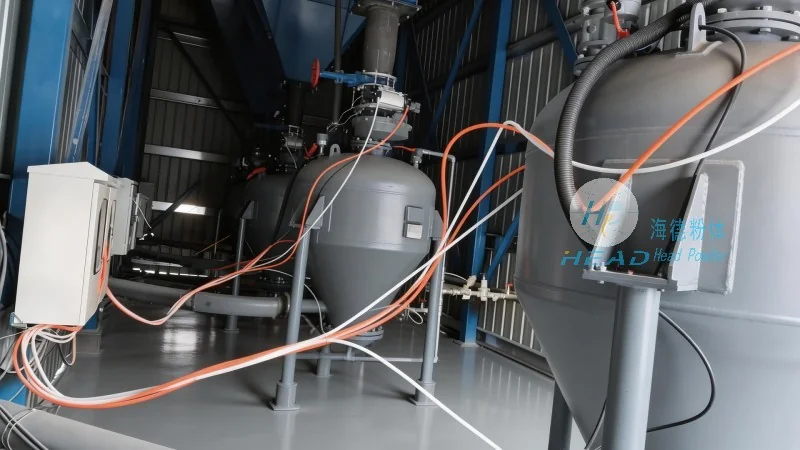
Application Examples and Performance Benefits
The negative pressure pneumatic conveying equipment designed by HeadPowder has been successfully implemented in various industrial applications, demonstrating its effectiveness in handling clay and other similar materials. For example, in a ceramic manufacturing plant, the system was used to transport clay from storage silos to production lines, reducing manual labor and improving operational efficiency. The system's ability to handle high moisture content clay without clogging or degradation was particularly beneficial, as it minimized downtime and maintenance costs. In another application, the equipment was used in a construction material processing facility to transport clay for brick production, achieving consistent material flow and reducing the risk of material loss or contamination. The performance benefits of the negative pressure pneumatic conveying system include increased throughput, reduced energy consumption, lower maintenance requirements, and improved material quality. These advantages make the system an attractive option for industries seeking to enhance their material handling processes and improve overall operational efficiency.