

What is a Ternary Lithium Material Handling System? And What Are Its Design Principles?
For those in the battery manufacturing industry, especially those working with ternary lithium materials, understanding the material handling systems that transport these components is crucial. A ternary lithium material handling system is a specialized setup designed to safely and efficiently move raw materials, intermediate products, and finished goods within a production facility. This system is integral to the overall workflow, ensuring that the handling of sensitive materials like lithium cobalt oxide (LCO), lithium nickel manganese cobalt oxide (NMC), and other ternary lithium compounds is carried out with precision and minimal risk of contamination or damage.
Understanding the Ternary Lithium Material Handling System
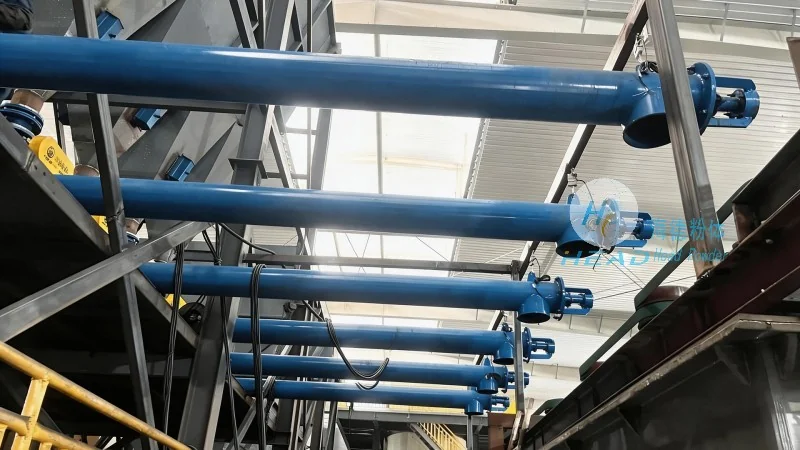
The core of a ternary lithium material handling system lies in its ability to manage the entire lifecycle of ternary lithium materials—from raw material storage and weighing to mixing, compounding, and final packaging. These systems are engineered to handle the unique properties of ternary lithium compounds, which often require controlled environments, specialized equipment, and precise control mechanisms to prevent degradation or safety hazards. The system typically integrates various components such as conveyors, feeders, storage silos, and processing units, all working in tandem to maintain the integrity of the materials throughout the handling process.
Key Design Principles of the Ternary Lithium Material Handling System
The design of a ternary lithium material handling system is guided by several critical principles aimed at ensuring safety, efficiency, and product quality. First, the system must prioritize safety, given the flammable and reactive nature of lithium compounds. This includes implementing explosion-proof designs, proper ventilation systems, and fire suppression mechanisms to mitigate risks. Second, the system emphasizes precision and control, as even minor variations in material handling can affect the final battery performance. Advanced control systems, such as PLC (Programmable Logic Controllers) and SCADA (Supervisory Control and Data Acquisition) systems, are commonly used to monitor and regulate the flow of materials, ensuring consistent quality. Third, the system is built for scalability and adaptability, allowing manufacturers to adjust production volumes and product types as market demands change. This flexibility is achieved through modular designs and adjustable components that can be reconfigured without major overhauls.
Components and Functionality of the System
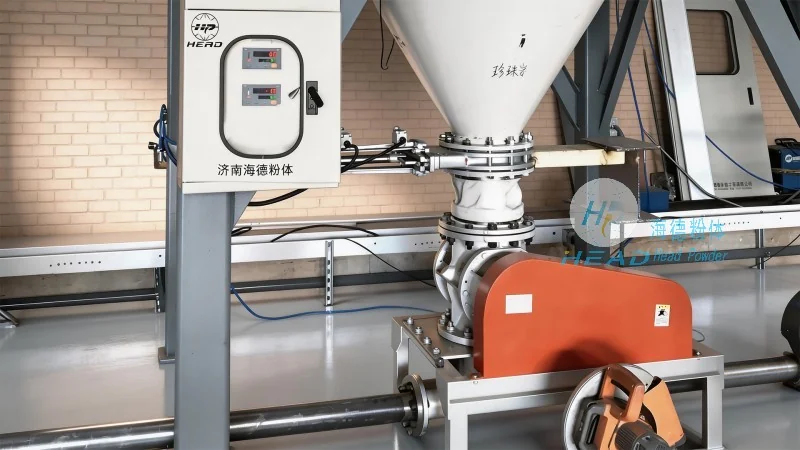
A typical ternary lithium material handling system comprises several key components, each playing a vital role in the overall operation. The primary components include material storage silos, which are designed to store raw materials like lithium hydroxide, nickel sulfate, cobalt sulfate, and manganese sulfate in a controlled environment. These silos are equipped with aeration systems to prevent moisture buildup and maintain material quality. From the silos, material is transferred to weighing and mixing units. The weighing system ensures accurate dosing of each component, which is critical for achieving the desired chemical composition of the ternary lithium compound. The mixing unit then combines the components in a controlled manner, often using high-shear mixers or planetary mixers to achieve uniform blending. After mixing, the material is conveyed to compounding and pelletizing units, where it is further processed into pellets or powders suitable for battery production. Finally, the finished product is stored in packaging silos or transported to the next stage of the battery manufacturing process.
Benefits of Implementing a Ternary Lithium Material Handling System
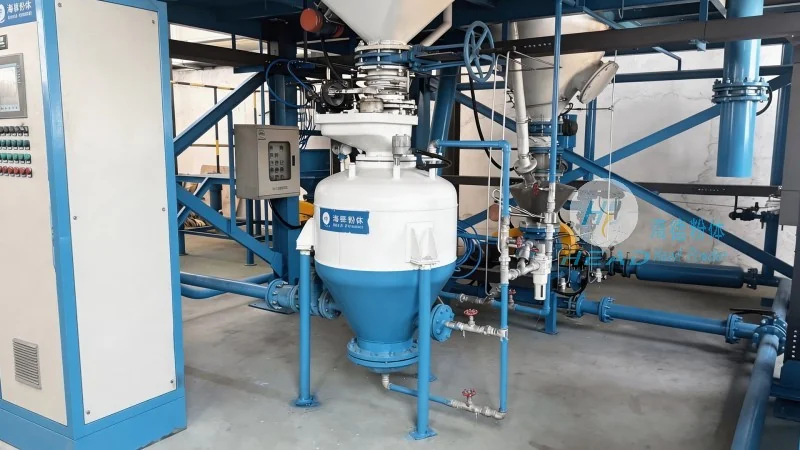
Adopting a dedicated material handling system for ternary lithium materials offers numerous benefits to battery manufacturers. Firstly, it enhances safety by reducing the risk of accidents associated with manual handling of hazardous materials. Automated systems minimize human exposure to potentially dangerous compounds, thereby improving workplace safety. Secondly, it improves efficiency by streamlining the material flow and reducing downtime. With automated feeding, weighing, and mixing, production cycles are accelerated, and throughput is increased. Thirdly, it ensures product consistency and quality. Precise control over each step of the process leads to uniform material composition, which directly impacts the performance and reliability of the final battery. Additionally, the system reduces material waste by optimizing dosing and minimizing over-processing. This not only lowers production costs but also contributes to environmental sustainability by minimizing the use of raw materials.
About Shandong HeadPowder Engineering Co., Ltd.
Shandong HeadPowder Engineering Co., Ltd., commonly known as HeadPowder, is a leading manufacturer specializing in material handling systems for the battery and chemical industries. With a strong focus on innovation and customer-centric solutions, HeadPowder has established itself as a trusted partner for companies seeking reliable and efficient material handling solutions. The company is headquartered in Shandong, China, and serves clients globally with its advanced engineering capabilities and commitment to quality. HeadPowder's expertise lies in designing and manufacturing customized material handling systems tailored to the specific needs of its clients, ensuring that each system meets the highest standards of performance, safety, and durability. By leveraging years of experience and cutting-edge technology, HeadPowder continues to provide industry-leading solutions that help its clients optimize their production processes and enhance their competitive edge in the market.