

What is a Wood Fiber Material Handling System? And What Are Its Design Principles?
Welcome to Shandong HeadPowder Engineering Co., Ltd., a leading provider of specialized material handling solutions. In this article, we will explore the concept of wood fiber material handling systems and delve into the fundamental design principles that underpin their functionality. As a company based in Shandong, China, HeadPowder has extensive experience in engineering and manufacturing systems tailored to the unique demands of processing wood fibers, ensuring efficiency, reliability, and durability in various industrial applications.
Understanding Wood Fiber Material Handling Systems
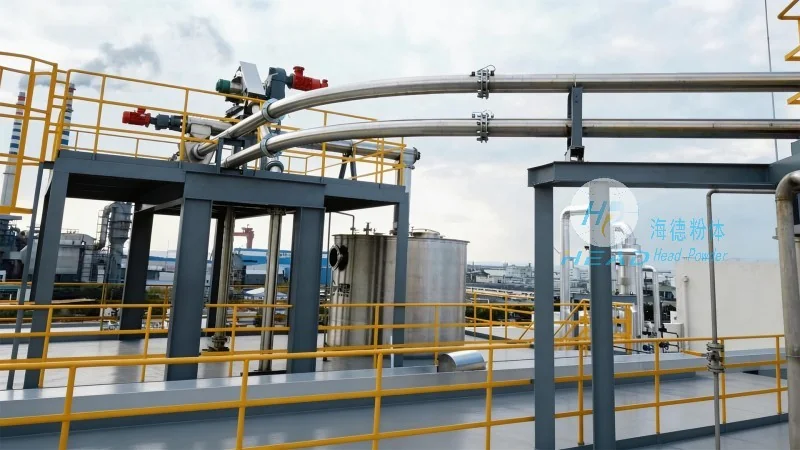
A wood fiber material handling system is a specialized equipment setup designed to transport, process, and manage wood fibers—such as sawdust, shavings, or other wood-derived particles—throughout an industrial facility. These systems are critical in industries like woodworking, pulp and paper manufacturing, and biomass energy production, where the efficient movement of fibrous materials is essential for maintaining production flow and optimizing resource utilization. The core components of such systems typically include feeders, conveyors, storage bins, and processing units, all integrated to handle the specific physical properties of wood fibers, which can vary significantly in size, moisture content, and bulk density.
Key Design Principles for Wood Fiber Material Handling
The design of a wood fiber material handling system is governed by several critical principles aimed at ensuring optimal performance and minimizing operational challenges. First, the system must account for the variable characteristics of wood fibers, including their tendency to stick together or form clumps, which can impede smooth transport. Engineers at HeadPowder, with their expertise in material science and mechanical engineering, incorporate features like vibration feeders or rotary valves to break up agglomerates and ensure consistent material flow. Second, the system’s design prioritizes durability and resistance to wear, as wood fibers are abrasive and can cause significant wear on equipment components over time. High-quality materials, such as stainless steel or specialized alloys, are often used for critical parts to extend the system’s lifespan and reduce maintenance costs.
Third, the system must address the moisture content of wood fibers, as moisture can affect the material’s flowability and increase the risk of clogging. HeadPowder’s designs often include moisture control mechanisms, such as drying sections or moisture sensors, to maintain optimal conditions. Additionally, the system’s layout is carefully planned to minimize the risk of dust generation and ensure compliance with safety and environmental regulations. By integrating these principles, the system not only enhances operational efficiency but also contributes to a safer and more sustainable industrial process.
Components and Their Functions in a Wood Fiber Handling System
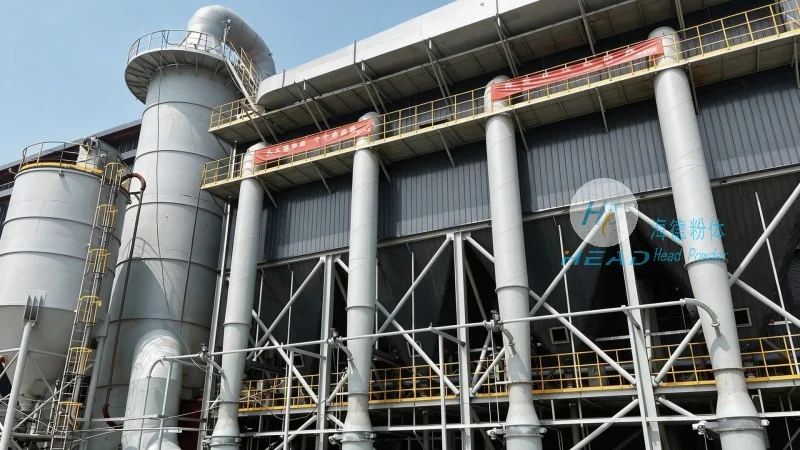
At the heart of any wood fiber material handling system are several key components, each playing a vital role in the overall operation. The primary component is the feeder, which is responsible for uniformly feeding wood fibers into the system. Common types include screw feeders, belt feeders, or vibratory feeders, each chosen based on the material’s properties and the required flow rate. The feeder’s design ensures that the material is conveyed at a consistent rate, preventing overloading or underloading of downstream equipment.
Conveyors are another essential component, responsible for transporting wood fibers from one location to another within the facility. Depending on the application, conveyors may include belt conveyors, chain conveyors, or pneumatic conveying systems. Belt conveyors are widely used for horizontal or slight incline transport, while pneumatic systems are ideal for long-distance or vertical transport, especially when dealing with fine wood fibers that are prone to dusting. The choice of conveyor type is influenced by factors such as material size, moisture content, and the need for enclosed transport to control dust.
Storage bins and hoppers are also critical for managing wood fibers, providing a buffer to regulate the flow of material and prevent interruptions in the production process. These containers are typically designed with sloped sides to facilitate material discharge and may include features like agitators or level sensors to monitor the material level. In some cases, storage bins are equipped with drying or conditioning sections to adjust the moisture content of the wood fibers before they enter the processing stage.
Design Considerations for Efficiency and Reliability
When designing a wood fiber material handling system, several factors must be considered to ensure long-term efficiency and reliability. One of the most important is the system’s capacity, which must align with the production requirements of the facility. Overdesigning or underdesigning can lead to bottlenecks or wasted resources, respectively. Engineers at HeadPowder conduct thorough analyses of the material’s flow characteristics, including bulk density and flowability, to determine the appropriate conveyor speed and feeder capacity.
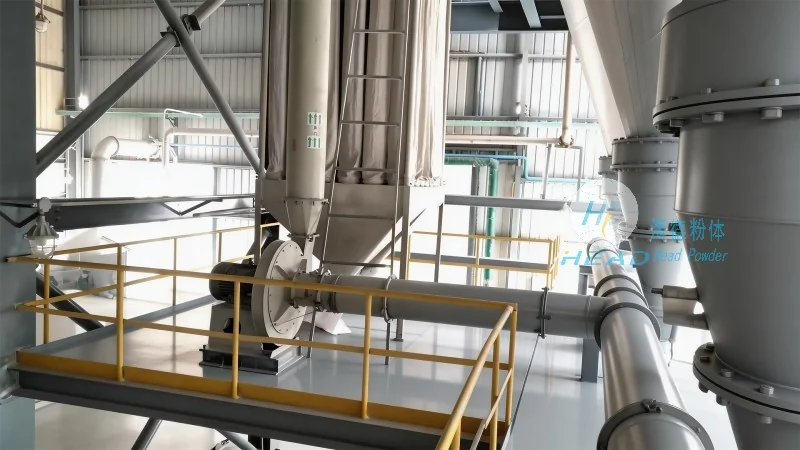
Another critical consideration is the system’s integration with other processing equipment. For example, a wood fiber handling system may need to feed a pelletizer or a paper machine, requiring precise control over the material’s flow rate and moisture content. HeadPowder’s expertise in system integration ensures that the material handling system works seamlessly with downstream processes, minimizing downtime and maximizing overall productivity.
Finally, the system’s maintenance and operational costs are key factors in its design. By using durable materials and incorporating easy-to-access components, the system can be maintained with minimal disruption to production. HeadPowder’s designs often include features like quick-release mechanisms or accessible inspection points, which reduce maintenance time and costs. Additionally, the use of advanced control systems allows for real-time monitoring of the system’s performance, enabling early detection of issues and proactive maintenance.
Conclusion
Wood fiber material handling systems are complex and specialized equipment designed to meet the unique challenges of processing wood fibers in industrial applications. The design principles and components discussed above are critical to ensuring the system’s efficiency, reliability, and durability. As a company based in Shandong, China, Shandong HeadPowder Engineering Co., Ltd. has established itself as a leader in providing tailored material handling solutions that meet the specific needs of its clients. By focusing on the fundamental principles of material flow, durability, and integration, HeadPowder’s systems help industries optimize their operations and achieve their production goals.