

What is a Rigid Polystyrene Material Handling System? And What Are Its Design Principles?
For industries that depend on the efficient and reliable transportation of lightweight, non-porous materials, understanding rigid polystyrene material handling systems is paramount. These specialized systems are engineered to handle polystyrene, a versatile plastic celebrated for its excellent insulating properties, low density, and high strength-to-weight ratio, making it indispensable in packaging, construction, and other sectors. The design and functionality of such systems are critical to optimizing material flow, reducing labor costs, and ensuring product integrity throughout the handling process.
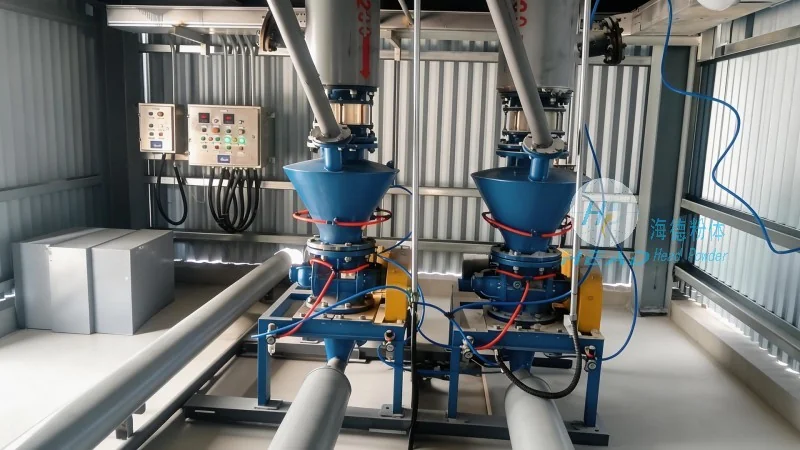
Introduction to Rigid Polystyrene Material Handling Systems
Rigid polystyrene material handling systems are comprehensive solutions designed to transport, store, and manage polystyrene materials in industrial environments. These systems are typically employed in manufacturing plants, logistics centers, and construction sites where the efficient movement of polystyrene products is essential. The core objective of these systems is to leverage the unique characteristics of polystyrene—such as its lightweight nature, resistance to moisture, and ease of processing—to enhance operational efficiency. By integrating specialized machinery and equipment, these systems streamline the entire material handling process, from raw material input to finished product output.
Key Design Principles Guiding Rigid Polystyrene Material Handling Systems
The design of rigid polystyrene material handling systems follows several fundamental principles to ensure optimal performance and safety. First, the systems are engineered to accommodate the lightweight and delicate nature of polystyrene, which reduces the load on conveyor belts, rollers, and other components. This minimizes energy consumption and wear and tear, leading to lower operational costs and longer equipment lifespan. Second, the design incorporates features that prevent polystyrene from deforming, breaking, or absorbing moisture during handling. For instance, smooth, non-abrasive surfaces on conveyors and storage racks protect polystyrene products from damage, while moisture-resistant materials are used in the construction of the systems to maintain product quality. Third, the systems are designed for easy integration with existing production lines and facilities. This allows for seamless material flow, reducing bottlenecks and improving overall throughput. Additionally, the design may include adjustable components to accommodate different sizes and shapes of polystyrene products, enhancing versatility.
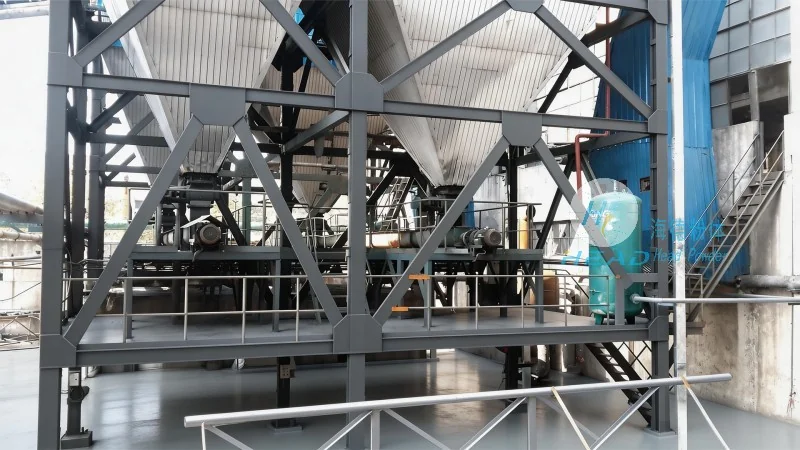
Core Components and Functionalities of Rigid Polystyrene Material Handling Systems
Typical components of rigid polystyrene material handling systems include belt conveyors, roller conveyors, automated storage and retrieval systems (AS/RS), and lifting mechanisms. Belt conveyors are commonly used for horizontal and slight incline transport, as they can handle lightweight polystyrene items with minimal friction. Roller conveyors are ideal for heavier or bulkier polystyrene products, as they provide smooth movement and reduce the risk of material damage. AS/RS systems are used for automated storage and retrieval of polystyrene materials, allowing for efficient inventory management and quick access to stored products. Lifting and stacking mechanisms, such as forklifts or automated stackers, are integrated to handle polystyrene items of various sizes and shapes, enabling vertical movement and storage. The systems may also incorporate sensors and control systems to monitor the movement of polystyrene materials, ensuring precise and efficient handling. These sensors can detect the presence of materials, adjust conveyor speed, and prevent overloading, enhancing safety and operational reliability.
Applications and Benefits of Rigid Polystyrene Material Handling Systems
Rigid polystyrene material handling systems find widespread application in industries where polystyrene is a primary material. In the packaging industry, these systems are used to transport polystyrene foam products from production lines to packaging stations, improving efficiency and reducing manual handling. This leads to faster packaging cycles and lower labor costs. In construction, they are used to move polystyrene insulation boards, panels, and other building materials from storage to job sites, enhancing safety and productivity. The benefits of these systems extend beyond efficiency; they also contribute to product quality by ensuring consistent handling, reducing the risk of damage or contamination. Additionally, the systems help in maintaining inventory control, as they can track the movement of polystyrene materials, providing real-time data on stock levels and usage.
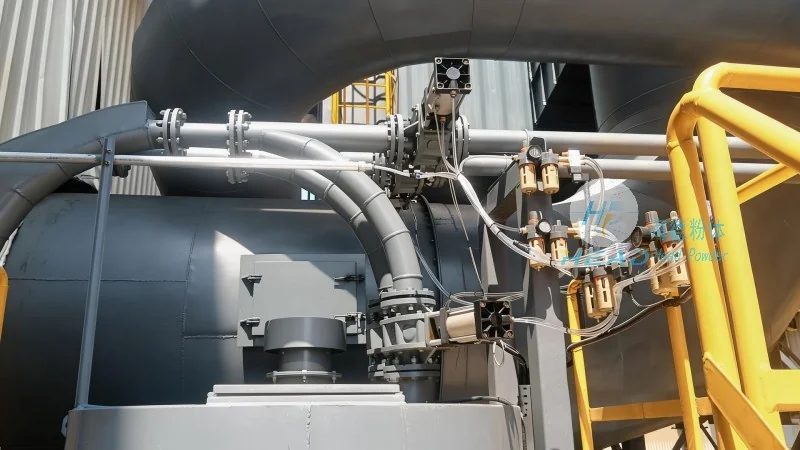
Customization and Integration by Shandong HeadPowder Engineering Co., Ltd.
Shandong HeadPowder Engineering Co., Ltd., a leading manufacturer of material handling systems based in Shandong, China, specializes in providing customized rigid polystyrene material handling solutions. The company leverages its expertise in material handling technology to design and manufacture systems that meet the specific needs of clients. Their team of engineers and technicians works closely with clients to understand their operational requirements, production volumes, and facility constraints, ensuring that the systems are tailored to their unique scenarios. The company’s commitment to quality and innovation is evident in its use of advanced materials and design techniques, which enhance the durability and performance of the systems. Moreover, the company offers after-sales support and maintenance services to ensure the long-term reliability of the systems. By partnering with Shandong HeadPowder Engineering Co., Ltd., industries can access robust, efficient, and cost-effective material handling solutions that optimize their polystyrene material handling processes.
Conclusion
Rigid polystyrene material handling systems are indispensable for industries that rely on the efficient transportation and management of polystyrene materials. By adhering to key design principles and incorporating specialized components, these systems enhance productivity, reduce costs, and improve safety in industrial operations. The expertise of companies like Shandong HeadPowder Engineering Co., Ltd. ensures that industries can access tailored solutions that meet their specific material handling needs, providing reliable and efficient performance. As the demand for polystyrene products continues to grow, the importance of robust material handling systems will only increase, making them a critical component of industrial operations.