

What Are Ternary Material Material Handling Equipment? And What Are Their Design Principles?
Ternary material material handling equipment is a specialized type of machinery designed for the efficient and safe transport of materials that are critical in modern industrial applications. These materials often include advanced compounds like lithium-ion battery cathode active materials, which are composed of nickel, cobalt, and manganese (or other elements). The equipment is engineered to handle these sensitive materials with precision, ensuring minimal contamination and optimal performance. As a key component in material processing lines, these systems play a vital role in maintaining the quality and consistency of ternary materials throughout the production cycle.
Design Principles of Ternary Material Material Handling Equipment
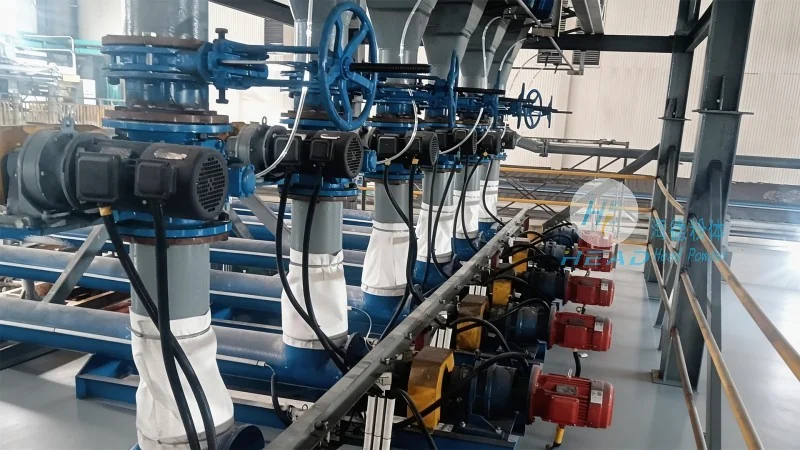
The design of ternary material material handling equipment is guided by several fundamental principles to meet the stringent requirements of handling such materials. First, the equipment must be constructed from materials that are chemically inert and resistant to corrosion, as many ternary materials are reactive and can degrade when exposed to certain metals or chemicals. Stainless steel and specialized alloys are commonly used for the construction of hoppers, chutes, and conveyor components to prevent material contamination. Second, the equipment incorporates advanced sealing and filtration systems to maintain a controlled environment, minimizing dust and particle loss. This is crucial for preserving the purity of the materials, which is essential for their performance in end-use applications. Third, the design emphasizes energy efficiency and low maintenance, with features like variable speed drives and automated cleaning mechanisms to reduce operational costs and downtime. Additionally, the equipment is designed for easy integration into existing production lines, allowing for seamless workflow and minimal disruption to manufacturing processes.
Key Components and Their Functions
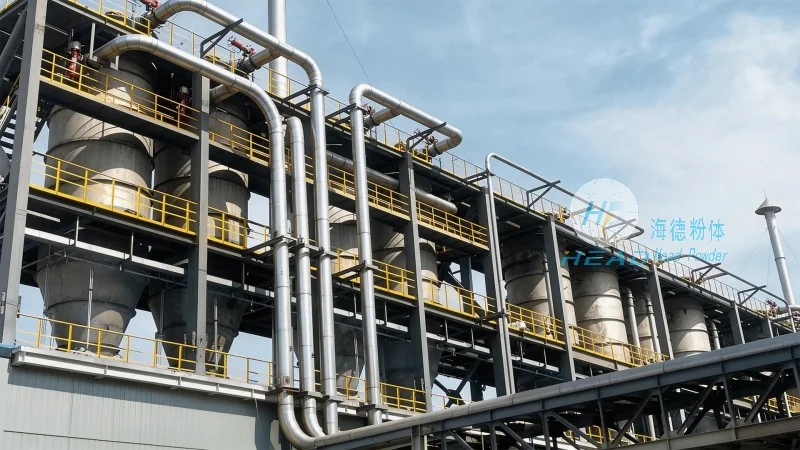
Several key components work together to ensure the effective operation of ternary material material handling equipment. The hopper is the primary component where raw materials are stored and fed into the system. It is designed with a sloped interior to facilitate smooth material flow and prevent clogging. The feeder, typically a rotary or vibratory type, regulates the flow rate of the material from the hopper to the conveyor system. This ensures a consistent and controlled feed, which is critical for maintaining the quality of the processed material. The conveyor system, often a belt or screw conveyor, transports the material through the processing line. It is equipped with materials that are compatible with the ternary materials, such as PTFE-coated belts or stainless steel screws, to avoid contamination. The control system, which includes sensors and programmable logic controllers (PLCs), monitors the entire process, adjusting parameters like speed and flow rate in real-time to maintain optimal performance. Safety features, such as emergency stop buttons and interlocked access panels, are integrated to protect operators and prevent accidents during operation.
Applications and Benefits in Industrial Settings
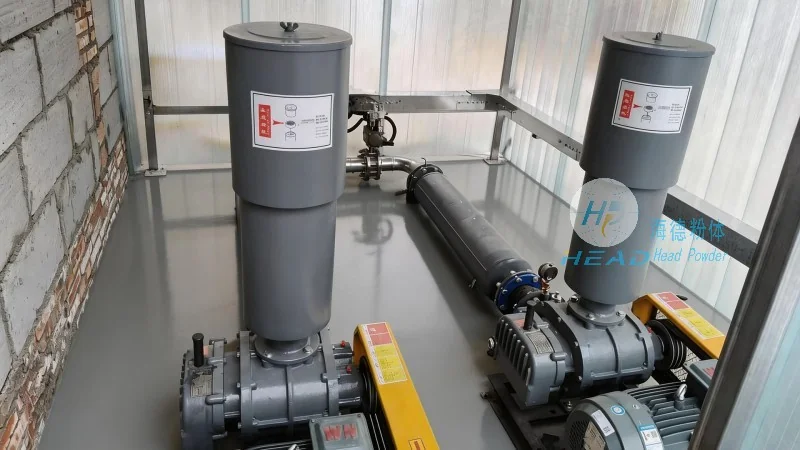
Ternary material material handling equipment is widely used in industries that rely on advanced materials, particularly in the production of lithium-ion batteries, cathode materials, and other high-value chemical compounds. In battery manufacturing, these systems are essential for transporting the precise mixtures of nickel, cobalt, and manganese that form the cathode active material. The equipment ensures that the material is handled in a controlled environment, reducing the risk of degradation and maintaining the desired chemical composition. The benefits of using such equipment include improved material quality, reduced waste, and enhanced operational efficiency. By minimizing contamination and ensuring consistent flow, these systems contribute to higher product yields and lower production costs. Additionally, the design of the equipment allows for scalability, making it suitable for both small-scale research and large-scale industrial production. This flexibility makes it a valuable asset for companies involved in the development and manufacturing of advanced materials.
About Shandong HeadPowder Engineering Co., Ltd.
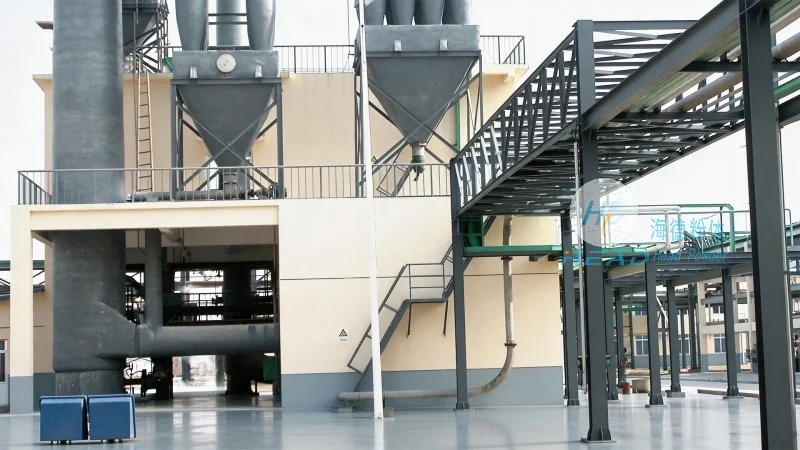
Shandong HeadPowder Engineering Co., Ltd., commonly known as HeadPowder, is a leading manufacturer of specialized material handling equipment for the chemical and battery industries. With a focus on innovation and quality, the company has developed a range of solutions tailored to the unique needs of handling ternary materials. HeadPowder's equipment is designed to meet the highest standards of performance and safety, ensuring that clients can rely on consistent and reliable operation. The company's commitment to customer satisfaction and technical excellence has established it as a trusted partner in the industry. HeadPowder's facilities are located in Shandong, China, where the company leverages advanced manufacturing technologies and a skilled workforce to produce top-tier equipment. By combining expertise in material science and engineering, HeadPowder continues to advance the capabilities of material handling systems for modern industrial applications.