

What Are Refractory Material Handling Equipment? Understanding Design Principles
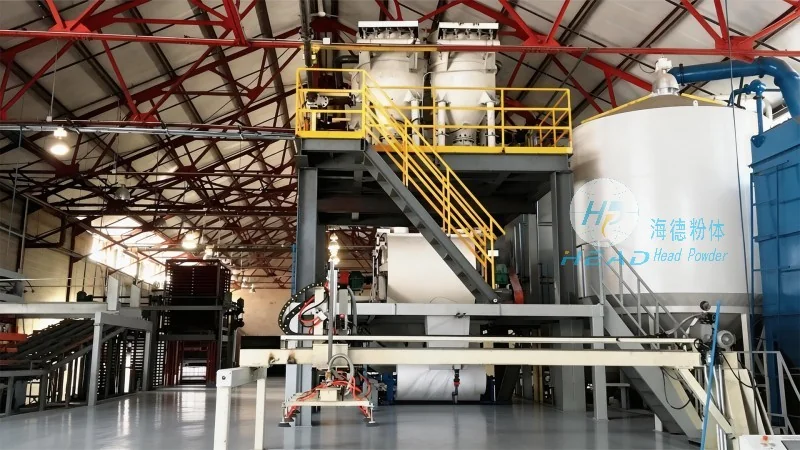
Refractory material handling equipment plays a crucial role in industrial processes where high-temperature environments are prevalent. These specialized systems are engineered to transport, store, and manage refractory materials—such as bricks, powders, and other heat-resistant components—safely and efficiently. The design of these equipment pieces is tailored to withstand extreme temperatures, mechanical stresses, and corrosive conditions, making them indispensable in sectors like ceramics, steel production, and foundries.
Introduction to Refractory Material Handling Equipment
At the heart of many high-temperature industrial operations lies the need for reliable equipment that can handle refractory materials without compromising safety or performance. Refractory material handling equipment encompasses a range of machinery, including conveyors, hoists, storage silos, and feeding systems. Each component is designed to address specific challenges, such as material flow control, temperature resistance, and operational durability. The choice of equipment depends on the type of refractory material, the scale of production, and the environmental conditions of the facility.
Core Components and Design Philosophy
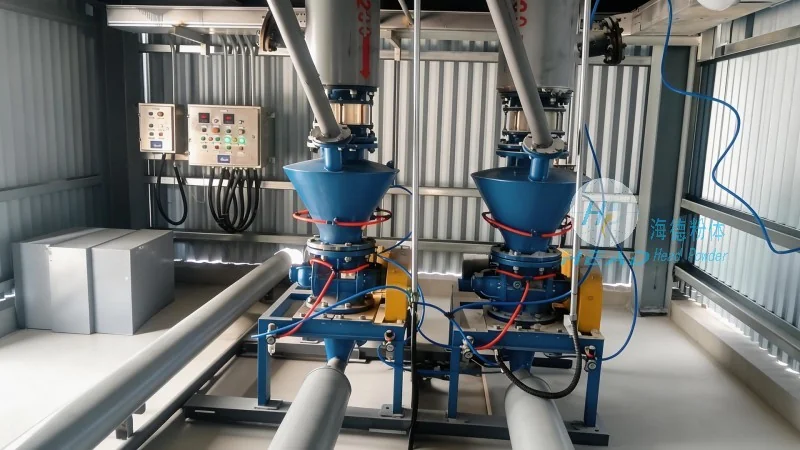
The design of refractory material handling equipment is guided by a combination of engineering principles and material science. Key components include high-temperature resistant materials for structural parts, advanced sealing systems to prevent material loss and contamination, and robust drive mechanisms to ensure consistent operation. For instance, conveyor belts may be made from heat-resistant polymers or metal alloys, while hoppers and silos are constructed from refractory bricks or steel with insulation layers. The design philosophy emphasizes both functionality and longevity, ensuring that the equipment can operate continuously under demanding conditions without frequent maintenance or replacement.
Application Scenarios and Operational Advantages
Refractory material handling equipment is widely used in various industrial applications. In the ceramics industry, for example, these systems transport raw materials like clay and feldspar to kilns, where they are processed at temperatures exceeding 1,200°C. In steel mills, they manage refractory bricks for furnace linings, ensuring that the equipment can withstand the intense heat and chemical reactions involved in steel production. The operational advantages of these systems include improved material flow efficiency, reduced labor costs, and enhanced workplace safety. By automating the handling process, industries can minimize human exposure to hazardous conditions and increase overall productivity.
Company Overview and Commitment to Quality
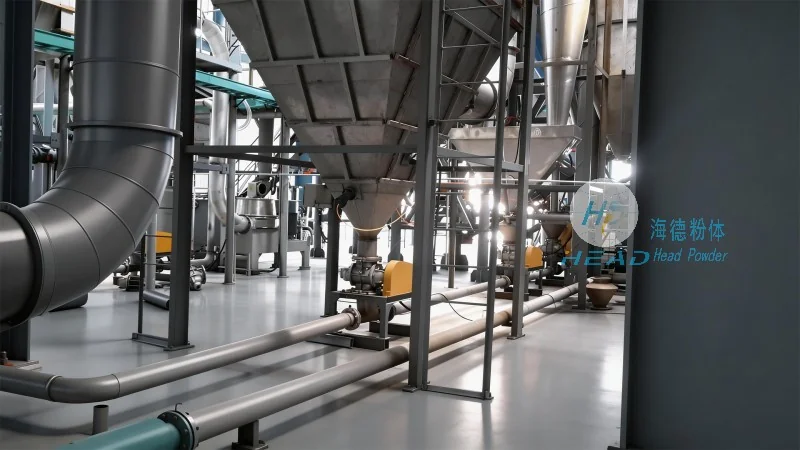
Shandong HeadPowder Engineering Co., Ltd., a leading manufacturer in the field, specializes in the design, development, and production of refractory material handling equipment. HeadPowder, headquartered in Shandong, China, leverages decades of industrial experience to deliver high-quality solutions tailored to client needs. The company’s commitment to quality is evident in its adherence to international standards and rigorous testing protocols. With a focus on innovation and customer satisfaction, HeadPowder provides equipment that meets the specific requirements of diverse industries, ensuring reliable performance and long-term durability. The company’s facilities in Shandong are equipped with advanced manufacturing technologies and skilled engineering teams, enabling the production of customized solutions that enhance operational efficiency and safety in high-temperature environments.