

What is the Calcium Carbide Dust Removal Material Conveying Equipment? And What Are Its Design Princ
In industrial settings, particularly within facilities involved in calcium carbide production, the management of dust and fine particulate matter is a critical operational priority. The calcium carbide dust removal material conveying equipment serves as a vital component in ensuring efficient material handling while maintaining environmental compliance and operational safety. This equipment is specifically engineered to address the unique challenges posed by calcium carbide dust, which is characterized by its fine particle size and potential reactivity. Understanding the design principles behind such equipment is essential for stakeholders to appreciate its functionality and the importance of proper implementation in industrial processes.
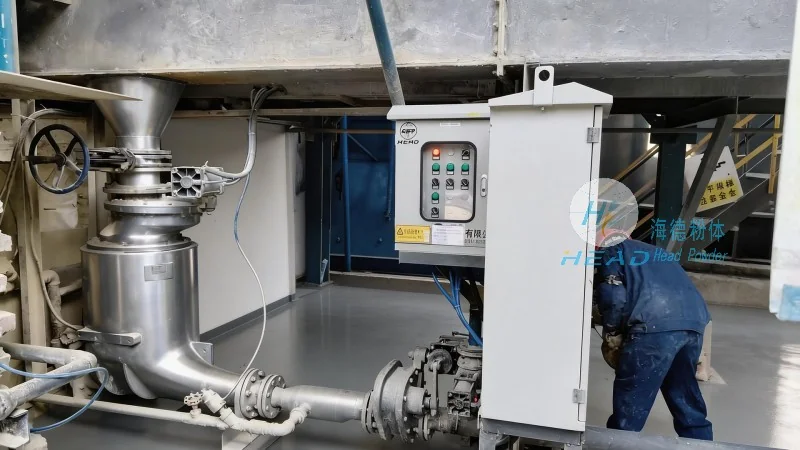
Overview of the Equipment and Its Role in Industrial Applications
HeadPowder, a prominent manufacturer headquartered in Shandong, China, specializes in the design and production of advanced material handling solutions. The calcium carbide dust removal material conveying equipment is a key product in their portfolio, tailored to meet the demands of calcium carbide processing plants. This equipment is designed to transport dust and fine particles from various sources—including dust collectors, storage silos, and processing units—to designated disposal or treatment areas. The primary objective is to prevent dust accumulation, which can lead to safety hazards and environmental pollution. By integrating this equipment into the production line, facilities can enhance operational efficiency, reduce downtime, and comply with regulatory standards regarding air quality and waste management.
Key Design Principles and Technical Specifications
The design of calcium carbide dust removal material conveying equipment is guided by several fundamental principles aimed at optimizing performance and durability. One of the core design considerations is the material selection for the conveying components. Since calcium carbide dust can be abrasive and chemically reactive, the equipment must utilize materials that resist wear and corrosion. Common choices include high-strength alloys, stainless steel, and specialized coatings that protect against the corrosive effects of the dust. Additionally, the equipment is designed with a focus on minimizing dust leakage and ensuring airtight operation. This is achieved through the use of sealed hoppers, flexible ducts, and advanced sealing mechanisms that prevent the escape of fine particles into the environment.
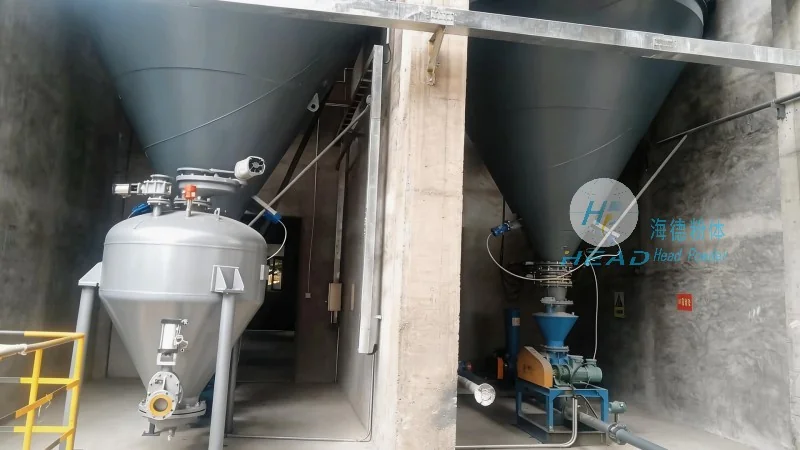
Another critical design principle is the selection of the conveying method. Different types of equipment, such as screw conveyors, pneumatic conveyors, and bucket elevators, are employed depending on the specific application and material characteristics. For calcium carbide dust, pneumatic conveyors are often preferred due to their ability to handle fine, dry powders without mechanical contact. These systems use compressed air to transport the material through a network of pipes, ensuring a gentle and efficient transfer process. The design also incorporates features like variable speed drives and adjustable feed mechanisms to control the flow rate and prevent overloading, which can cause blockages or damage to the equipment.
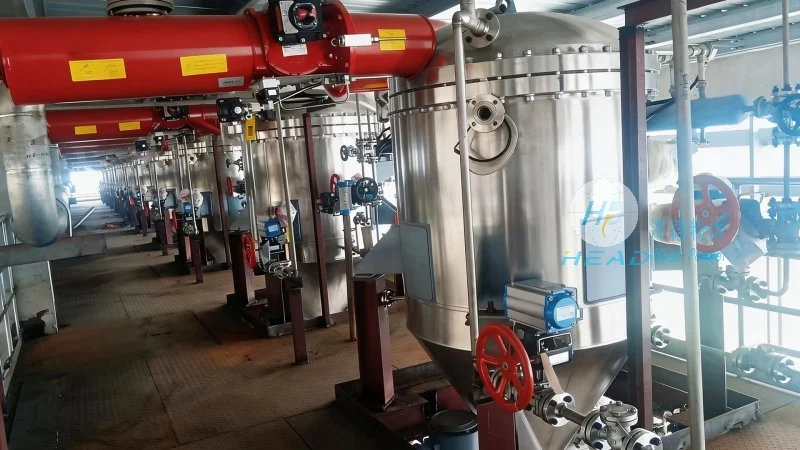
Components and Operational Mechanisms
The calcium carbide dust removal material conveying equipment typically consists of several interconnected components that work in harmony to achieve the desired material transport. The primary components include a hopper for material storage, a conveyor mechanism (either mechanical or pneumatic), and a discharge system for delivering the material to its final destination. The hopper is designed with a sloped bottom to facilitate smooth material flow and prevent clogging. It may also include a pre-filter or a dust collection system to capture any loose particles before they enter the conveyor. The conveyor mechanism is the heart of the system, responsible for moving the material through the pipeline. In pneumatic systems, this involves a blower or compressor that generates the necessary air pressure to propel the dust particles. The system may also include cyclone separators or filters at the discharge end to ensure that the material is delivered in a controlled manner and to prevent any residual dust from escaping.
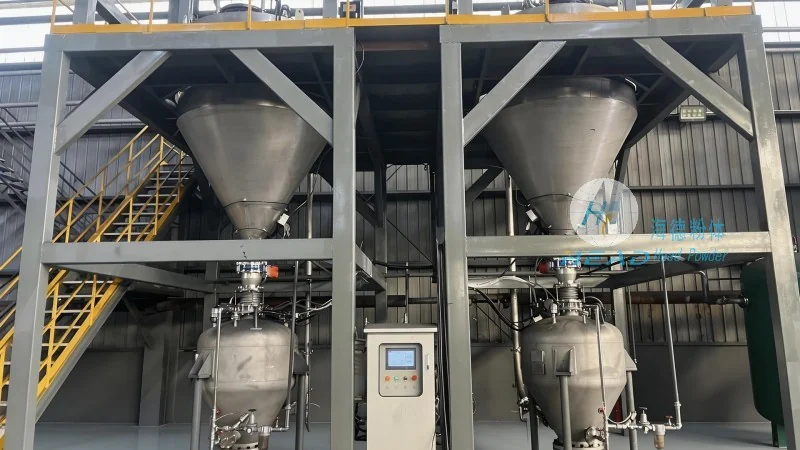
Benefits and Advantages of Using This Equipment
Implementing calcium carbide dust removal material conveying equipment offers numerous benefits to industrial facilities. Firstly, it significantly improves operational efficiency by automating the material handling process, reducing the need for manual labor and minimizing the risk of human error. The equipment can operate continuously, ensuring a steady flow of material and reducing downtime associated with manual handling. Secondly, it enhances safety by containing dust and preventing its dispersion into the workplace environment. This reduces the risk of respiratory issues and other health hazards for workers, while also minimizing the potential for dust explosions in certain applications. Thirdly, the equipment contributes to environmental compliance by ensuring that dust is properly collected and disposed of, reducing the impact on air quality and surrounding ecosystems. By using advanced sealing and filtration systems, the equipment helps facilities meet regulatory standards and avoid penalties for non-compliance.
Conclusion and Recommendations for Implementation
For industrial facilities dealing with calcium carbide production, investing in high-quality dust removal material conveying equipment is a strategic decision that can yield long-term benefits. The design principles and technical specifications of such equipment are tailored to address the unique challenges of calcium carbide dust, ensuring reliable and efficient operation. Companies like Shandong HeadPowder Engineering Co., Ltd. provide comprehensive solutions that include not only the equipment itself but also installation, maintenance, and technical support services. When selecting a supplier, it is essential to consider factors such as the equipment's durability, compatibility with existing systems, and the manufacturer's reputation for quality and reliability. By choosing the right equipment and implementing it correctly, facilities can optimize their material handling processes, enhance safety, and contribute to a more sustainable and compliant operation.