

What is a Nickel Powder Material Handling Conveyor? And What Are Its Design Principles?
When it comes to handling nickel powder in industrial settings, the nickel powder material handling conveyor plays a crucial role in ensuring efficient and safe material transport. This specialized equipment is designed to manage the unique properties of nickel powder, such as its fine particle size, potential for static electricity, and the need for contamination-free processing. Understanding the components and design principles behind these conveyors is essential for optimizing production processes and maintaining product quality.
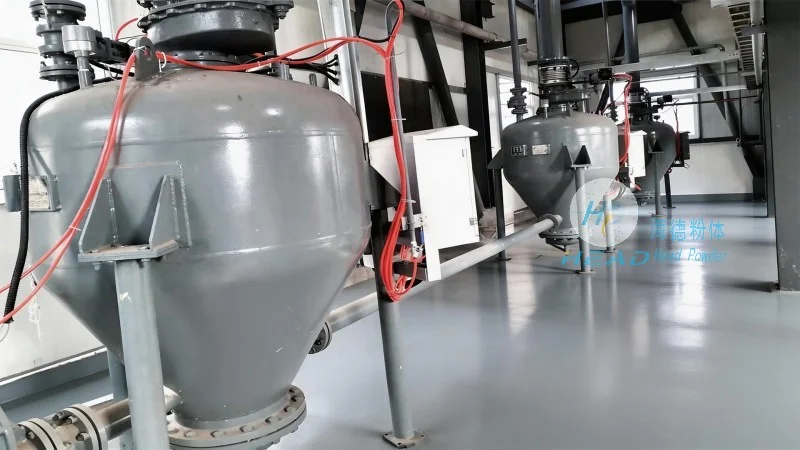
Introduction to Nickel Powder Material Handling Conveyors
A nickel powder material handling conveyor is a specialized system engineered to transport nickel powder from one location to another within an industrial facility. Unlike conventional bulk material conveyors, these systems are tailored to address the specific challenges associated with handling fine powders, including dust control, static discharge, and material flow management. The primary goal of such a conveyor is to provide a reliable, continuous, and safe method for moving nickel powder, which is often used in applications like metallurgy, battery manufacturing, and chemical processing.
HeadPowder, a leading manufacturer based in Shandong, China, specializes in designing and producing high-quality nickel powder material handling conveyors. With years of experience in the industry, HeadPowder has developed systems that meet the stringent requirements of modern industrial operations, ensuring durability, efficiency, and compliance with safety standards. The company's commitment to innovation and customer satisfaction has made it a trusted partner for businesses seeking reliable material handling solutions.
Core Components of a Nickel Powder Material Handling Conveyor
The effectiveness of a nickel powder material handling conveyor depends on several key components that work in harmony to ensure smooth operation. These components include:
1. Conveyor Belt or Screw: The primary transport mechanism, which can be a flexible belt or a screw conveyor. For nickel powder, a belt conveyor is often preferred due to its ability to handle fine particles without causing excessive abrasion or blockages. The belt material is typically chosen for its resistance to corrosion and wear, ensuring long-term performance.
2. Hopper and Feeder: The hopper is used to store and feed the nickel powder into the conveyor system. It is designed to minimize material buildup and prevent clogging, which is critical for maintaining consistent flow rates. The feeder mechanism, such as a rotary valve or a vibratory feeder, regulates the amount of powder released into the conveyor, ensuring a controlled and steady supply.
3. Drive System: The drive system provides the necessary power to move the conveyor belt or screw. It is typically equipped with a motor and gearbox, allowing for adjustable speed control to match the processing requirements. For nickel powder applications, the drive system is often designed to handle low to moderate loads while maintaining efficiency.
4. Sealing and Enclosure: Due to the fine nature of nickel powder, dust containment is a top priority. The conveyor is enclosed in a sealed housing with appropriate sealing mechanisms to prevent dust leakage and protect the environment. This also helps in maintaining a clean working environment and preventing contamination of the powder.
5. Electrostatic Discharge (ESD) Protection: Nickel powder is prone to generating static electricity, which can lead to sparks and fire hazards. Therefore, ESD protection is a critical component. This may include anti-static materials, grounding systems, and specialized coatings to dissipate static charges safely.
Design Principles for Efficient Nickel Powder Conveying
The design of a nickel powder material handling conveyor follows several key principles to ensure optimal performance and safety. These principles are centered around minimizing material loss, controlling dust, and preventing equipment damage. Here are the main design considerations:
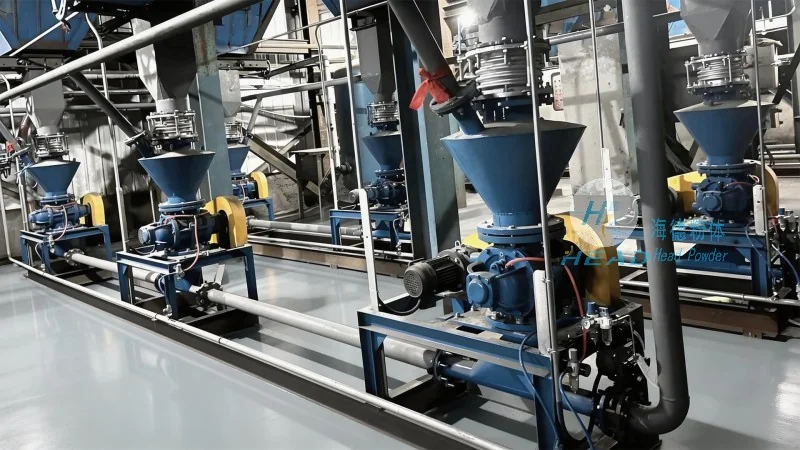
1. Material Compatibility: The materials used in the construction of the conveyor, including the belt, hopper, and housing, must be compatible with nickel powder. This means using materials that are resistant to corrosion, abrasion, and chemical reactions. Stainless steel is often used for its durability and resistance to corrosion, while specialized plastics may be used for components that come into direct contact with the powder.
2. Airflow Management: Proper airflow is essential to control dust and maintain a clean environment. The conveyor system is designed with ventilation and filtration systems to capture and filter any airborne particles. This not only protects the environment but also prevents the powder from being dispersed into the workplace, reducing health risks for operators.
3. Preventing Clogging and Blockages: Clogging is a common issue in powder handling systems. The design incorporates features such as smooth surfaces, minimal bends, and self-cleaning mechanisms to prevent material buildup. The feeder and hopper are designed to ensure a consistent flow of powder, reducing the likelihood of blockages that could disrupt production.
4. Controlled Speed and Flow: The conveyor speed is carefully controlled to maintain a steady flow of nickel powder. This helps in preventing overloading, which can lead to equipment failure or material spillage. Variable speed drives are often used to adjust the conveyor speed based on the processing requirements, ensuring efficient operation.
5. Safety and Compliance: The design adheres to safety standards and regulations to protect operators and the environment. This includes features like emergency stop buttons, safety interlocks, and proper ventilation systems. The equipment is also designed to minimize the risk of fire or explosion, especially in environments where static electricity is a concern.
Application Scenarios and Industry Use Cases
Nickel powder material handling conveyors are widely used in various industries where nickel powder is a key component. Some common applications include:
1. Metallurgical Industry: In the production of nickel-based alloys, nickel powder is used as a raw material. The conveyor system is used to transport the powder from storage to the melting furnace or other processing equipment. This ensures a consistent supply of material, which is crucial for maintaining the quality of the final product.
2. Battery Manufacturing: Nickel powder is a critical component in the production of rechargeable batteries, such as nickel-cadmium (NiCd) and nickel-metal hydride (NiMH) batteries. The conveyor system is used to transport the powder to the battery cell assembly line, where it is used to coat the electrodes. The precision and reliability of the conveyor system are essential for ensuring the quality and performance of the batteries.
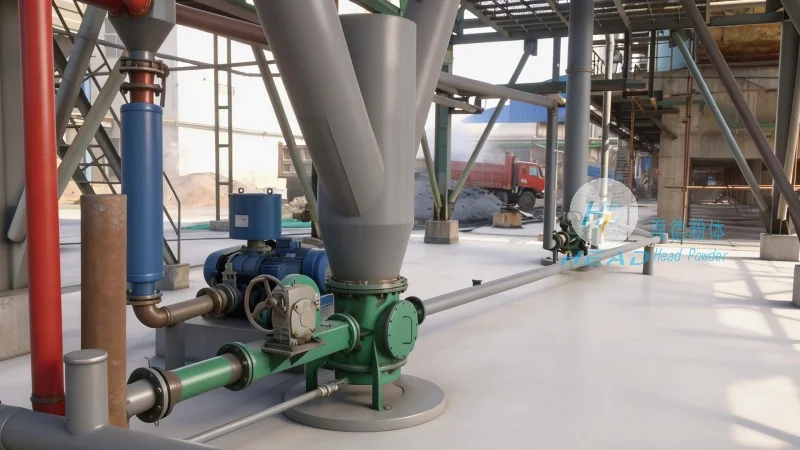
3. Chemical Processing: In chemical plants, nickel powder is used as a catalyst or a raw material in various chemical reactions. The conveyor system is used to transport the powder to the reaction vessels or processing units. The ability to handle fine powders without contamination is vital in these applications.
4. Pharmaceutical Industry: Although less common, nickel powder may be used in some pharmaceutical formulations. The conveyor system is used to transport the powder to the mixing and processing equipment, ensuring a clean and controlled environment.
Maintenance and Operational Considerations
Proper maintenance and operational practices are essential to ensure the longevity and efficiency of a nickel powder material handling conveyor. Regular maintenance checks should be performed to identify and address any issues before they become major problems. Here are some key maintenance and operational considerations:
1. Regular Cleaning: The conveyor system should be cleaned regularly to remove any accumulated powder or debris. This helps in preventing clogging and maintaining the performance of the equipment. The cleaning process should be done carefully to avoid generating dust or causing static discharge.
2. Inspection of Components: Regular inspection of the conveyor belt, hopper, and other components is necessary to check for wear and tear. Any damaged parts should be replaced promptly to prevent further damage or equipment failure.
3. Monitoring Flow Rates: The flow rate of the nickel powder should be monitored regularly to ensure it remains consistent. Any changes in the flow rate may indicate a problem with the feeder or the conveyor system, which should be addressed immediately.
4. Electrostatic Discharge Checks: The ESD protection system should be checked regularly to ensure it is functioning correctly. This includes testing the grounding system and checking for any signs of static buildup.
5. Training of Operators: Operators should be trained on the proper operation and maintenance of the conveyor system. This includes understanding the safety features and procedures, as well as how to identify and address common issues.
By following these maintenance and operational guidelines, businesses can ensure that their nickel powder material handling conveyor operates efficiently and safely, maximizing productivity and minimizing downtime.