

What is a Seasoning Material Conveying Line? And What Are Its Design Principles?
Seasoning material conveying lines are specialized systems engineered to transport various seasonings and flavoring ingredients efficiently within food processing facilities. These lines are crucial for maintaining product quality, ensuring consistent flavor distribution, and enhancing operational productivity in the culinary and food manufacturing industries. The design of such systems involves a combination of mechanical components, control mechanisms, and material handling technologies tailored to the specific characteristics of different seasoning products.
Understanding the Core Components of Seasoning Material Conveying Lines
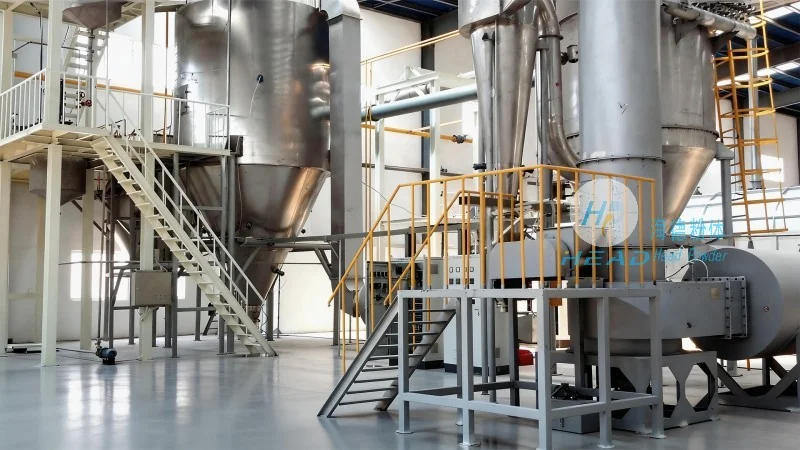
At the heart of a seasoning material conveying line are several key components that work in tandem to achieve seamless material movement. The primary elements include conveyor belts or chains, which serve as the main transport medium, and various feeding mechanisms like hoppers or feeders that regulate the flow of seasonings. Additionally, control systems, such as PLCs (Programmable Logic Controllers), are integrated to manage the speed, direction, and timing of material transport, ensuring precision and reliability. These components are often customized to accommodate the physical properties of different seasonings, including their size, shape, and moisture content, which can vary significantly between spices, herbs, and powdered seasonings.
The Design Principles Behind Seasoning Material Conveying Lines
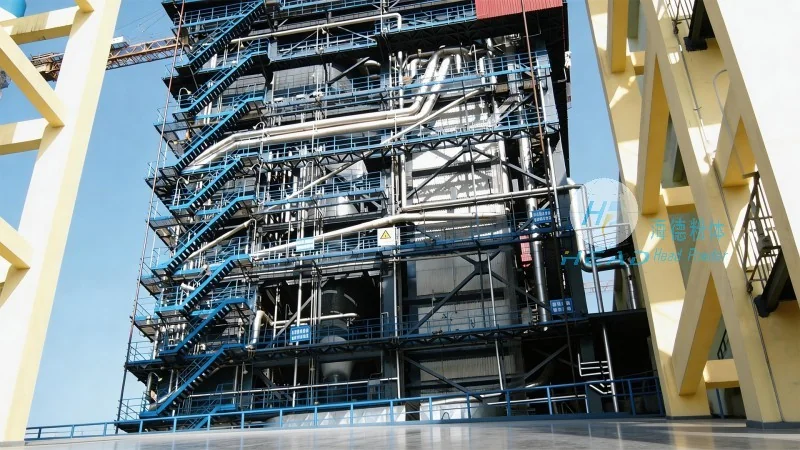
The design of seasoning material conveying lines is guided by several fundamental principles aimed at optimizing performance, safety, and efficiency. One of the most critical principles is the minimization of material degradation during transport. This involves selecting appropriate conveyor materials and speeds to prevent abrasion, breakage, or caking of the seasonings. For example, stainless steel or food-grade plastic components are commonly used to avoid contamination and maintain hygiene standards. Another key principle is the integration of cleaning and maintenance features, as seasoning lines often handle products that require strict sanitary regulations. Designers incorporate easy-to-clean surfaces, removable parts, and automated cleaning cycles to comply with food safety guidelines. Furthermore, energy efficiency is a significant consideration, with many modern systems incorporating variable speed drives to adjust power consumption based on the volume of material being transported. This not only reduces operational costs but also contributes to environmental sustainability.
Applications and Benefits of Seasoning Material Conveying Lines
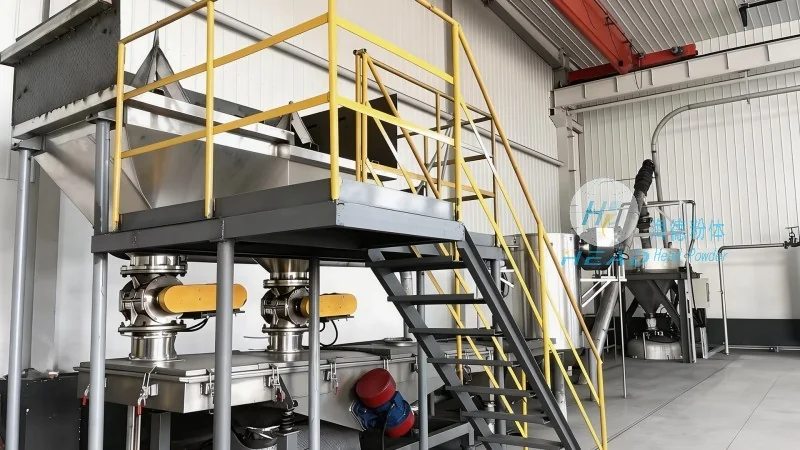
Seasoning material conveying lines find extensive applications across various sectors of the food industry. In large-scale food processing plants, these systems are essential for handling bulk quantities of spices, herbs, and flavor enhancers, enabling smooth integration into production lines for snacks, sauces, and beverages. The consistent and controlled delivery of seasonings ensures that final products meet flavor specifications and quality standards. Additionally, these lines are beneficial in small to medium-sized food manufacturers, where they help streamline operations and reduce manual labor. The benefits extend beyond efficiency; they also contribute to improved product consistency and reduced waste, as precise control over material flow minimizes overuse or underuse of seasonings. For companies like Shandong HeadPowder Engineering Co., Ltd., based in China, these conveying lines represent a vital part of their engineering solutions, supporting clients in achieving operational excellence and compliance with industry regulations.
Key Considerations in Designing Seasoning Material Conveying Lines
When designing a seasoning material conveying line, several factors must be carefully evaluated to ensure optimal performance. The first consideration is the type of seasoning being handled. Different products may require different conveyor designs—for instance, powders might need enclosed or dust-proof systems to prevent dispersion, while granular or whole spices could use open or vibratory conveyors. The material's flow characteristics, such as its bulk density and angle of repose, also influence the choice of conveyor type and speed. Another critical factor is the scale of the operation; a small-scale facility might require a compact, modular system, whereas a large-scale plant may need a more robust, high-capacity line. Additionally, the integration with existing production equipment is essential. The conveying line must be compatible with other machinery, such as mixers, blenders, or packaging machines, to form a seamless production workflow. Finally, adherence to regulatory standards, such as those set by the FDA or local food safety authorities, is paramount. This includes considerations for sanitation, material compatibility, and safety features like emergency stop buttons and protective guards.
Customization and Innovation in Seasoning Material Conveying Lines
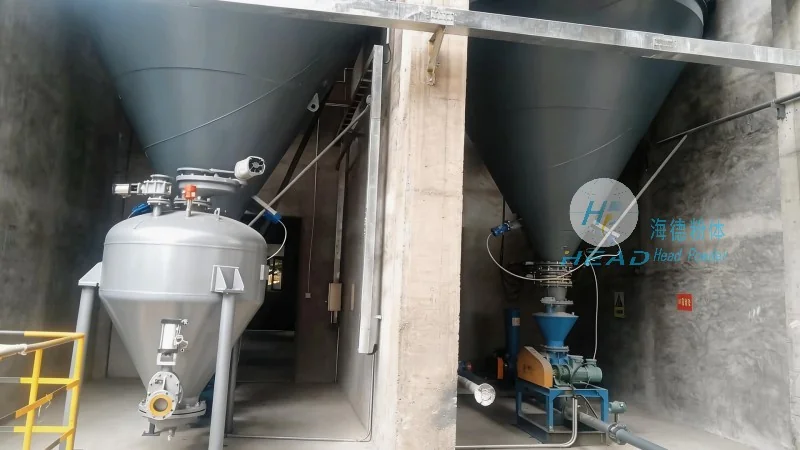
Given the diverse nature of seasoning products and production environments, customization is a key aspect of modern seasoning material conveying lines. Companies like Shandong HeadPowder Engineering Co., Ltd. specialize in developing tailored solutions that address specific client needs. Customization may involve adjusting conveyor lengths, widths, or heights to fit available space, or modifying the control system to integrate with existing plant infrastructure. Advanced technologies, such as sensor-based monitoring and automated feedback systems, are increasingly incorporated into these lines to enhance performance and reduce downtime. For example, sensors can detect blockages or variations in material flow, triggering alerts or automatic adjustments to maintain optimal operation. Furthermore, the integration of data analytics allows for real-time monitoring of production metrics, enabling manufacturers to optimize processes and improve overall efficiency. These innovations not only enhance the functionality of the conveying lines but also contribute to long-term cost savings and operational reliability.