

What is a Urea Material Handling Conveyor? Exploring Its Design Principles
Urea material handling conveyors are specialized systems engineered to transport urea, a critical nitrogen fertilizer, efficiently and safely. As a key component in modern agricultural and industrial operations, these conveyors play a vital role in ensuring the smooth flow of urea from storage to processing or distribution points. Understanding the design principles behind such systems is essential for optimizing performance, minimizing operational risks, and meeting the demands of high-volume urea handling applications.
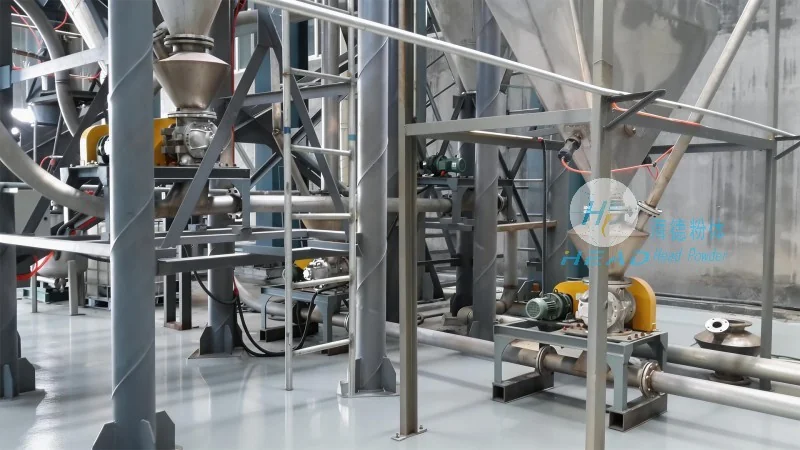
Understanding Urea Material Handling Conveyors
Urea, chemically known as carbamide, is a widely used fertilizer that provides essential nitrogen to crops. Its handling requires specialized equipment due to its granular or prilled form, which can be abrasive and prone to dust generation. Urea material handling conveyors are designed to address these challenges by integrating features that ensure material integrity, prevent contamination, and maintain operational efficiency. These systems are typically used in fertilizer production plants, storage facilities, and distribution centers where large quantities of urea need to be moved over short or medium distances.
Key Design Principles of Urea Conveyors
The design of urea material handling conveyors is guided by several critical principles aimed at optimizing performance and safety. One of the primary considerations is the material's physical properties, such as its abrasiveness and tendency to generate dust. To mitigate these issues, conveyors often incorporate components made from corrosion-resistant materials like stainless steel or special alloys that can withstand the chemical and mechanical stresses associated with urea transport. Additionally, the design prioritizes dust control measures, including sealed housing, dust collection systems, and proper sealing of joints to prevent environmental contamination and protect personnel from exposure to urea dust.
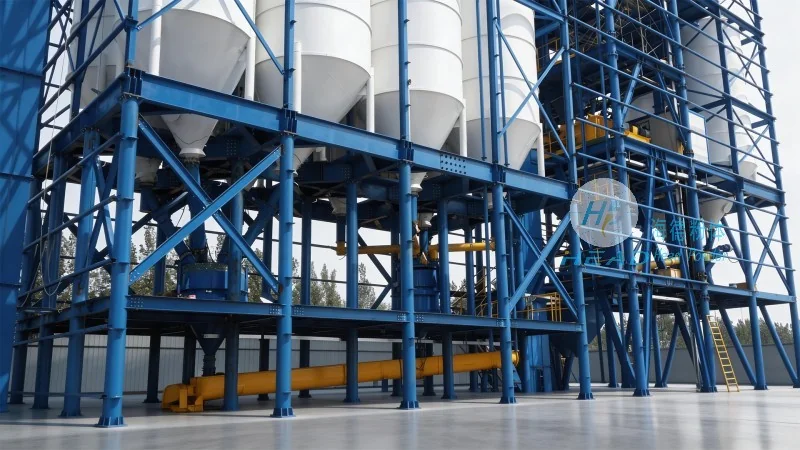
Another crucial design principle is the need for gentle material handling to preserve the urea's quality. Urea particles are relatively fragile and can be damaged during transport, leading to reduced product quality or increased dust generation. Therefore, conveyors may use low-speed, high-torque drives and smooth, non-abrasive surfaces to minimize particle breakage. The system's layout also considers the flow dynamics, ensuring that the urea moves in a controlled manner to avoid segregation or clogging, which are common issues in bulk material handling.
Components and Functional Aspects
Urea material handling conveyors typically consist of several key components that work in concert to achieve efficient material transport. These include feed hoppers, which are designed to accommodate bulk urea storage and provide a controlled feed to the conveyor system. The conveyor itself may be a belt conveyor, screw conveyor, or pneumatic conveyor, depending on the specific application and distance requirements. Belt conveyors are commonly used for horizontal or slight incline transport due to their ability to handle large volumes and accommodate various material sizes. Screw conveyors, on the other hand, are ideal for vertical or inclined transport, providing a compact solution for moving urea between different elevation levels.
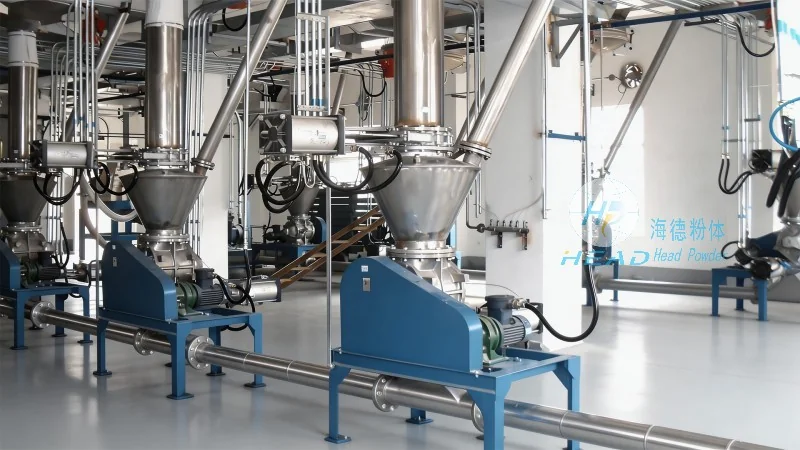
Control systems are another critical aspect of the design, enabling operators to monitor and adjust the conveyor's performance in real-time. These systems may include sensors for level detection, speed control, and overload protection, ensuring that the conveyor operates within safe parameters. The integration of automation and monitoring technologies enhances operational efficiency and reduces the risk of equipment failure or material loss.
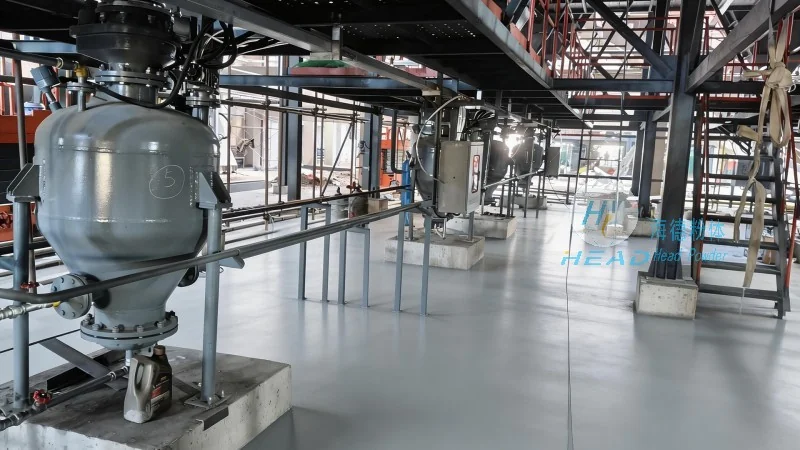
Operational Considerations and Maintenance
Effective operation of urea material handling conveyors requires adherence to specific guidelines to maintain performance and longevity. Regular maintenance is essential, as urea's abrasive nature can wear down components over time. This includes inspecting and replacing conveyor belts, bearings, and seals as needed. Additionally, cleaning procedures must be implemented to prevent urea buildup and clogging, which can impede system performance. Proper training for operators is also crucial, as they need to understand the system's controls and safety protocols to prevent accidents and ensure smooth operation.
The design and implementation of urea material handling conveyors are critical for optimizing the flow of this vital fertilizer. By adhering to the principles of material compatibility, dust control, and gentle handling, these systems ensure efficient and safe transport. As a leading provider in the industry, Shandong HeadPowder Engineering Co., Ltd. specializes in designing and manufacturing such conveyors, leveraging years of experience to meet the diverse needs of agricultural and industrial clients. With a focus on quality and reliability, the company's solutions contribute to the efficient operation of urea handling facilities worldwide.