

What is a Hydrogen Chloride Material Handling Line? What are its Design Principles?
Hydrogen chloride (HCl) is a highly corrosive and toxic gas commonly used in various industrial processes, such as chemical manufacturing, pharmaceutical production, and metal processing. The safe and efficient transportation of HCl from production sites to end-use applications is critical for industrial operations. This article explores the concept of a hydrogen chloride material handling line and delves into the fundamental design principles that ensure its safe and effective operation.
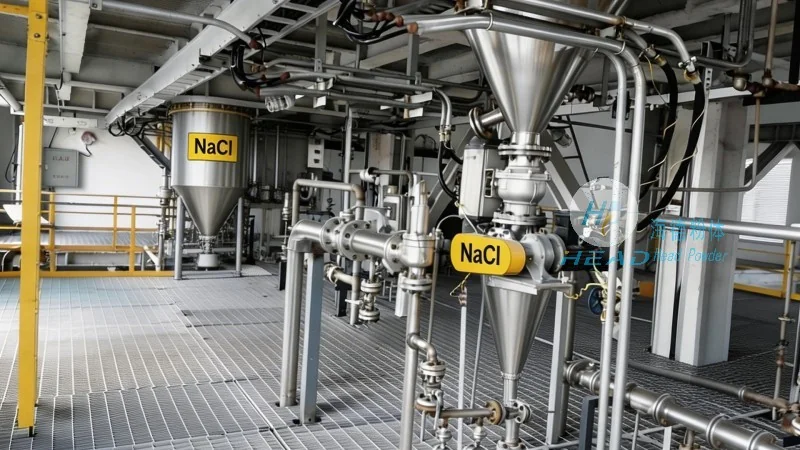
Understanding Hydrogen Chloride Material Handling Lines
A hydrogen chloride material handling line is a specialized system engineered to transport HCl gas from its source to its destination. This system typically includes components such as gas generators, pressure regulators, flow control valves, and piping systems designed to handle the corrosive nature of HCl. The primary goal of such a line is to maintain the integrity of the gas during transportation while ensuring the safety of personnel and the surrounding environment.
Key Design Principles for HCl Material Handling Lines
The design of a hydrogen chloride material handling line is governed by several critical principles to ensure safety, efficiency, and durability. These principles include:
1. **Material Selection**: The components of the material handling line, including pipes, valves, and fittings, must be constructed from materials resistant to HCl corrosion. Common materials include Hastelloy, titanium, and certain types of stainless steel, which can withstand the aggressive chemical properties of HCl. Proper material selection is essential to prevent leaks and maintain the structural integrity of the system over time.
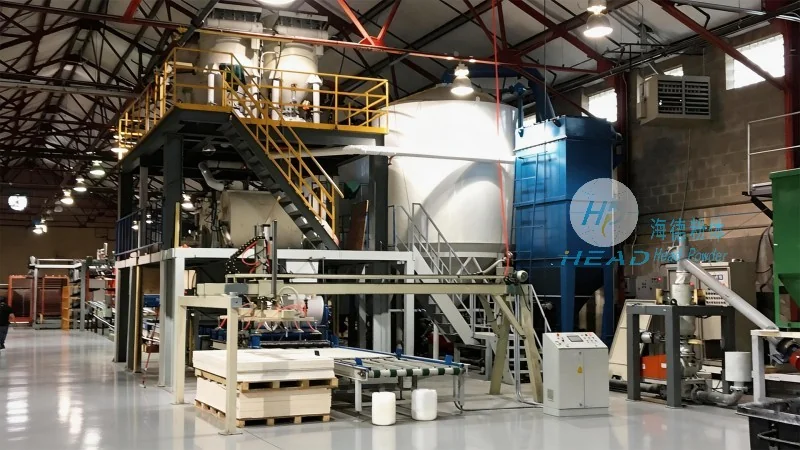
2. **Pressure and Flow Control**: Precise control of pressure and flow is crucial in HCl material handling systems. Pressure regulators and flow meters are integrated into the line to maintain consistent pressure levels and regulate the flow rate of the gas. This control is vital to prevent over-pressurization, which could lead to equipment failure or hazardous conditions, and to ensure that the HCl is delivered at the required rate for downstream processes.
3. **Safety and Ventilation**: Safety is a paramount consideration in HCl material handling. The system must include emergency shut-off valves, pressure relief devices, and proper ventilation to prevent the accumulation of HCl gas in enclosed spaces. Additionally, the line should be equipped with monitoring systems to detect any leaks or abnormal pressure changes, allowing for immediate response to potential hazards.
4. **Seal and Leak Prevention**: Given the toxic nature of HCl, preventing leaks is non-negotiable. The design incorporates double-seal mechanisms, such as mechanical seals and O-rings, to minimize the risk of gas leakage. Regular maintenance and inspection protocols are also part of the design to ensure the long-term integrity of the seals.
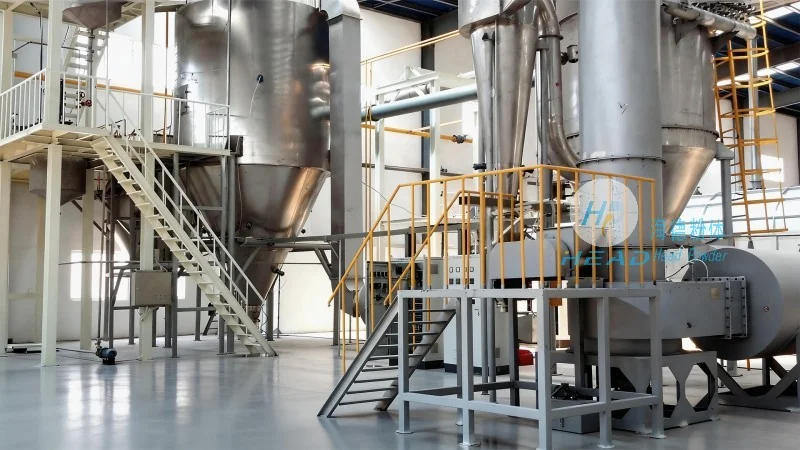
Role of Shandong HeadPowder Engineering Co., Ltd. in HCl Material Handling Solutions
Shandong HeadPowder Engineering Co., Ltd., a leading provider of industrial engineering solutions, specializes in designing and manufacturing hydrogen chloride material handling lines tailored to the specific needs of various industries. With years of experience in chemical processing and material handling, HeadPowder leverages advanced engineering techniques and high-quality materials to deliver robust and reliable systems. The company’s expertise in HCl handling ensures that their solutions meet stringent safety standards and operational requirements.
HeadPowder’s approach to HCl material handling line design emphasizes customization. Each project is carefully evaluated to consider factors such as the volume of HCl to be transported, the distance of the line, and the specific application requirements. This tailored approach ensures that the final system is optimized for performance and safety, reducing operational risks and enhancing overall efficiency.
Conclusion
Hydrogen chloride material handling lines are essential components of modern industrial operations, enabling the safe and efficient transportation of a critical chemical. The design principles, including material selection, pressure control, safety measures, and leak prevention, are integral to the success of these systems. Companies like Shandong HeadPowder Engineering Co., Ltd. play a vital role in providing specialized engineering solutions that adhere to these principles, ensuring that HCl is handled safely and effectively in various industrial applications.