

What is a Polyethylene Material Conveying Line? And What Are Its Design Principles?
At Shandong HeadPowder Engineering Co., Ltd., we specialize in the design and manufacturing of advanced material handling systems, including polyethylene material conveying lines. These systems are engineered to efficiently transport polyethylene materials through various industrial processes, ensuring optimal performance and reliability. Understanding the components and design principles of such lines is crucial for industries that rely on consistent and safe material movement.
Components of a Polyethylene Material Conveying Line
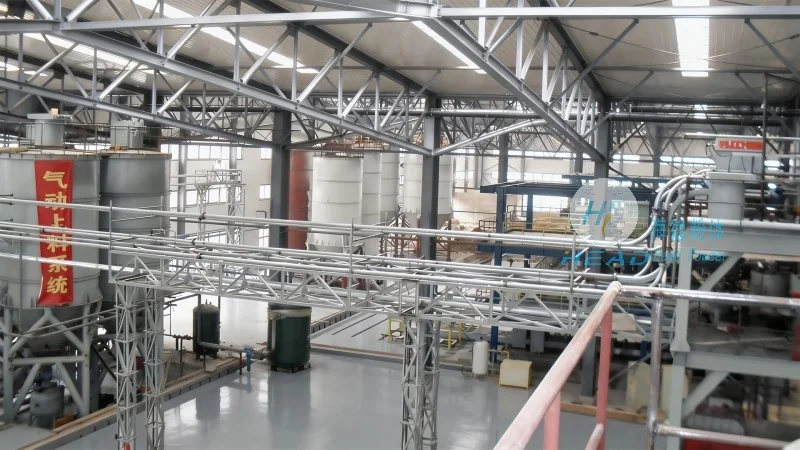
A typical polyethylene material conveying line consists of several key components that work in tandem to facilitate material transport. The primary elements include feeders, conveyors (such as belt conveyors or screw conveyors), control systems, and material handling accessories. Each component plays a vital role in the overall functionality of the system. For instance, feeders are responsible for uniformly distributing the polyethylene material into the conveyor, while conveyors move the material along the designated path. Control systems ensure that the entire operation runs smoothly, with real-time monitoring and adjustments as needed. Material handling accessories, like hoppers or chutes, help in directing and guiding the material flow, preventing blockages and ensuring a continuous process.
Design Principles for Polyethylene Material Conveying Lines
The design of a polyethylene material conveying line is based on several fundamental principles that prioritize efficiency, durability, and safety. First, the system must be tailored to the specific characteristics of polyethylene, such as its density, flowability, and potential for static buildup. This involves selecting appropriate conveyor types and materials that can handle the unique properties of polyethylene without causing degradation or damage. Second, the design emphasizes minimal material degradation and contamination. This is achieved through the use of smooth, non-stick surfaces on the conveyor components and proper sealing to prevent dust or foreign particles from entering the system. Third, the system is designed for easy maintenance and cleaning. Regular maintenance is essential to keep the conveying line in optimal condition, and the design should allow for quick access to components for inspection and repair. Finally, the design considers energy efficiency and operational costs. By optimizing the conveyor speed, motor selection, and system layout, the overall energy consumption is minimized, leading to cost savings over the long term.
Applications and Benefits of Polyethylene Material Conveying Lines
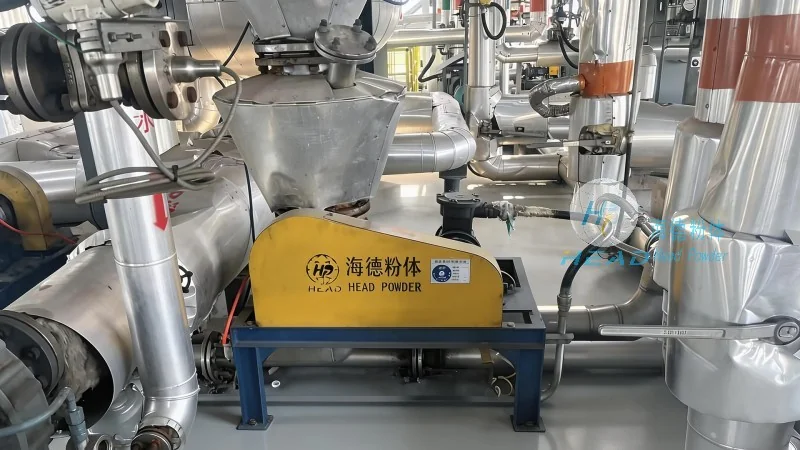
Polyethylene material conveying lines are widely used in various industries, including plastics manufacturing, chemical processing, and food processing. In the plastics industry, these systems are crucial for transporting raw polyethylene pellets or granules from storage to processing equipment, such as extruders or injection molding machines. The benefits of using such lines include improved material flow control, reduced labor costs, and enhanced safety by minimizing manual handling of materials. Additionally, the consistent and reliable transport of polyethylene ensures that production processes run smoothly, with fewer interruptions and higher throughput. For chemical processing plants, polyethylene conveying lines help in moving plastic resins or additives, contributing to the overall efficiency of the production line. In food processing, specialized conveying lines are used to transport polyethylene-based packaging materials, ensuring compliance with hygiene standards and maintaining product quality.
Customization and Integration with Existing Systems
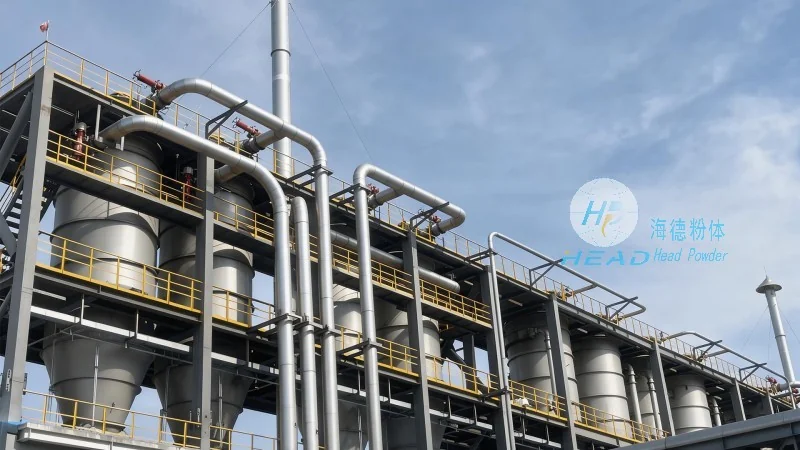
At Shandong HeadPowder Engineering Co., Ltd., we understand that each industrial application has unique requirements. Therefore, our polyethylene material conveying lines are highly customizable to meet specific needs. We work closely with clients to design systems that integrate seamlessly with their existing infrastructure, whether it's a new plant or an upgrade to an existing facility. Customization options include varying conveyor lengths, widths, and speeds, as well as the addition of special features like temperature control or dust suppression systems. Our team of engineers uses advanced design software to create detailed schematics and simulations, ensuring that the final product meets all operational and safety standards. This collaborative approach allows us to deliver tailored solutions that enhance productivity and reduce operational costs for our clients.
Conclusion
In conclusion, polyethylene material conveying lines are essential components in modern industrial operations, designed to efficiently and safely transport polyethylene materials. The design principles, components, and applications of these systems are carefully considered to meet the demands of various industries. At Shandong HeadPowder Engineering Co., Ltd., we are committed to providing high-quality, reliable conveying solutions that enhance the performance and efficiency of our clients' operations. By understanding the key aspects of polyethylene material conveying lines, industries can make informed decisions about their material handling systems, leading to improved productivity and cost savings.