

What is a Sodium Hypochlorite Material Handling Line? And What Are Its Design Principles?
Understanding the design and functionality of a sodium hypochlorite material handling line is crucial for industries that rely on this chemical for various applications. This article, provided by Shandong HeadPowder Engineering Co., Ltd. (headpowder), explores the components, operational principles, and key design considerations of such systems, providing insights into how they ensure efficient and safe transportation of sodium hypochlorite.
Introduction to Sodium Hypochlorite Material Handling Lines
A sodium hypochlorite material handling line is a specialized system engineered to transport sodium hypochlorite, a potent oxidizing agent commonly used in water treatment, disinfection, and industrial processes. These lines are critical for maintaining the integrity and safety of the chemical during handling, storage, and distribution. The design of such systems must adhere to stringent safety standards due to the hazardous nature of sodium hypochlorite, which can be corrosive and reactive under certain conditions.
Key Components of the Material Handling Line
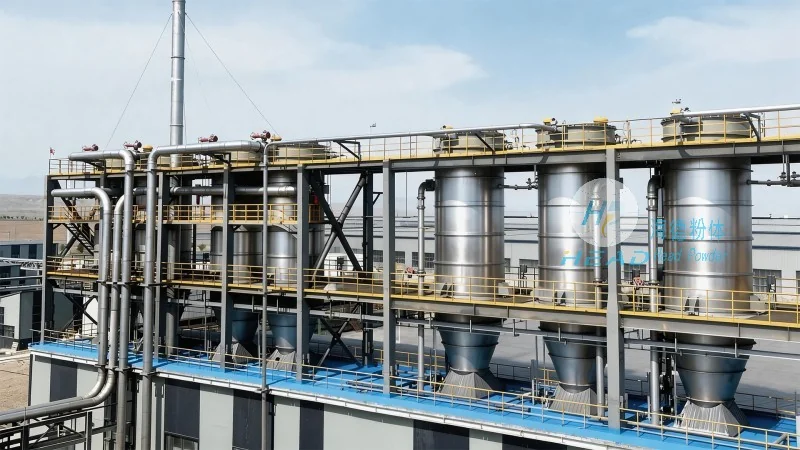
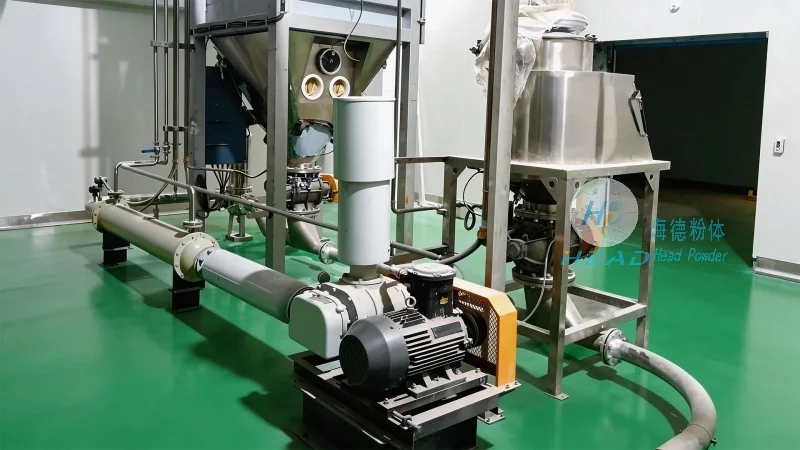
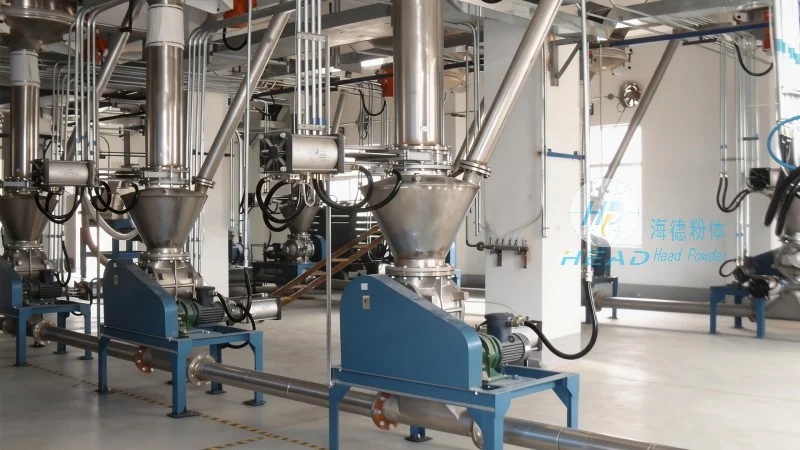
The core components of a sodium hypochlorite material handling line typically include storage tanks, pumps, pipelines, valves, and monitoring equipment. Storage tanks are designed to hold the chemical under controlled conditions, often with temperature and pressure regulation to prevent degradation or hazardous reactions. Pumps, usually centrifugal or positive displacement types, are used to move the liquid through the system, ensuring consistent flow rates. Pipelines are constructed from materials resistant to corrosion, such as stainless steel or specialized plastics, to withstand the chemical's effects over time. Valves and controls are integrated to regulate flow, pressure, and safety, allowing operators to manage the system efficiently and respond to emergencies.
Design Principles and Safety Considerations
Designing a sodium hypochlorite material handling line involves several critical principles aimed at safety, efficiency, and durability. First, the system must be constructed to prevent leaks and spills, which could lead to environmental contamination or personal injury. This includes using double-walled tanks, leak detection systems, and emergency shut-off valves. Second, the design must account for the chemical's reactivity with other substances, ensuring that all components are compatible and that the system is protected from contaminants that could cause unwanted reactions. Third, operational safety is paramount, with features like automatic pressure relief valves, temperature monitoring, and emergency stop buttons integrated into the design. These measures help prevent accidents and ensure the system operates within safe parameters.
Operational Efficiency and Maintenance
Efficiency in a sodium hypochlorite material handling line is achieved through optimized flow control, regular maintenance, and proper training of operators. The system is designed to minimize downtime and maximize throughput, with components that are easy to access for maintenance and inspection. Regular checks of pump performance, pipeline integrity, and storage tank conditions are essential to ensure the system remains in optimal condition. Additionally, operators must be trained on the safe handling procedures and emergency response protocols to handle any incidents that may arise. By adhering to these practices, the material handling line can operate reliably and effectively, meeting the demands of industrial applications while maintaining safety standards.
Applications and Industry Use
Sodium hypochlorite material handling lines are widely used in industries such as water treatment, municipal services, and industrial manufacturing. In water treatment plants, these systems transport the chemical to disinfect water supplies, ensuring compliance with health and safety regulations. In municipal services, they are used for sanitation and waste treatment processes, where the chemical's disinfectant properties are essential. Industrial manufacturers may use sodium hypochlorite in cleaning and processing operations, requiring reliable material handling to maintain production efficiency. The versatility of the material handling line makes it a valuable asset in these sectors, supporting the safe and effective use of sodium hypochlorite in various applications.
Conclusion
In summary, a sodium hypochlorite material handling line is a sophisticated system designed to safely and efficiently transport this critical chemical. Its design incorporates robust components, stringent safety measures, and operational efficiency features to meet the demands of industrial use. By understanding the principles and components of such a system, industries can ensure the reliable and safe handling of sodium hypochlorite, contributing to better operational outcomes and environmental protection.