

What is a Quantitative Feeding Powder Conveying Line? And What Are Its Design Principles?
Quantitative feeding powder conveying lines are specialized systems engineered to handle the precise and controlled transport of bulk powders in industrial applications. These systems are critical in sectors such as pharmaceuticals, food processing, chemicals, and mining, where accuracy in material handling is paramount. The core function of these lines is to ensure that powders are conveyed at a consistent rate, maintaining uniformity in the final product or process. This article will explore the fundamental aspects of such systems, including their design principles and operational mechanisms.
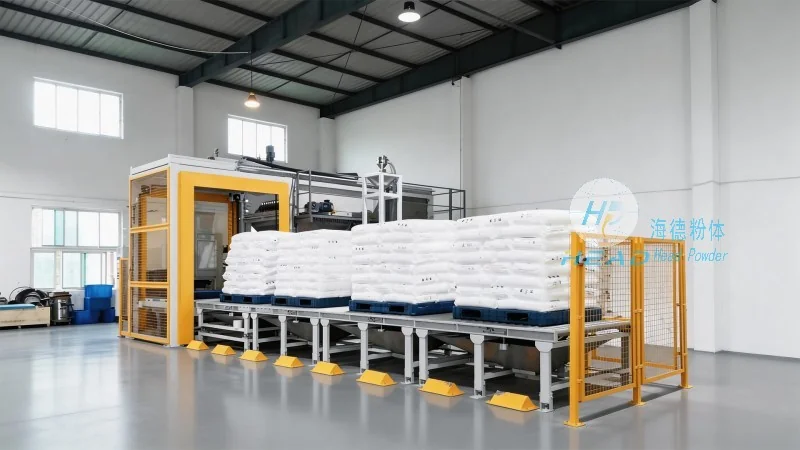
Key Components of a Quantitative Feeding Powder Conveying Line
The design of a quantitative feeding powder conveying line involves several key components that work in tandem to achieve precise material handling. These components typically include a hopper for material storage, a feeder mechanism for controlled discharge, a conveyor system for transport, and a control unit for monitoring and adjusting the feeding rate. The hopper is designed to hold the bulk powder and provide a stable feed to the feeder. The feeder, often a rotary valve or a screw feeder, regulates the flow of powder from the hopper to the conveyor. The conveyor system, which may be a pneumatic or mechanical conveyor, transports the powder to the next stage of the process. The control unit, equipped with sensors and a programmable logic controller (PLC), monitors the flow rate and adjusts the feeder settings to maintain the desired output.
Design Principles for Precision and Efficiency
The design principles of quantitative feeding powder conveying lines prioritize two main objectives: precision and efficiency. Precision is achieved through the integration of advanced control technologies and high-quality components. The control unit uses feedback from sensors, such as load cells or flow meters, to adjust the feeder speed or position in real-time, ensuring that the material flow rate remains constant. Efficiency is enhanced by optimizing the system's energy consumption and minimizing material loss. For instance, the use of a well-designed hopper with a smooth interior reduces friction and prevents material buildup, which can lead to uneven feeding. Similarly, the selection of an appropriate conveyor type—such as a belt conveyor or a pneumatic conveyor—depends on the characteristics of the powder, including its density, moisture content, and flowability. The design also considers the need for easy maintenance and cleaning, as these systems often handle materials that can cause clogging or contamination.
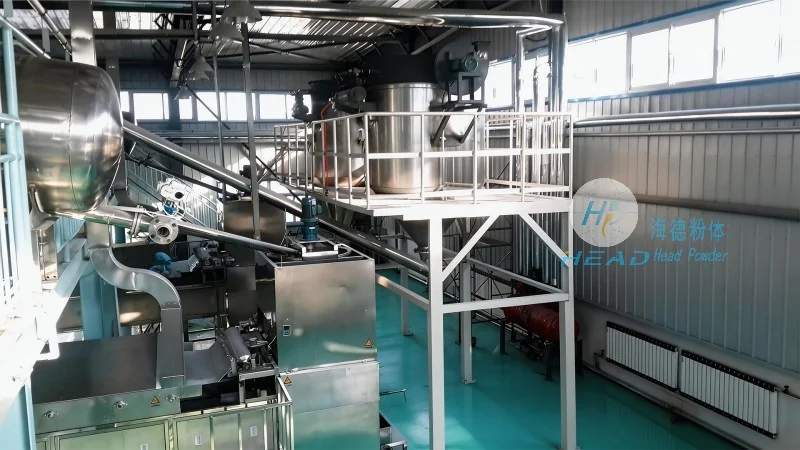
Applications in Industrial Processes
Quantitative feeding powder conveying lines are widely used in various industrial processes where consistent material feed is essential. In the pharmaceutical industry, for example, these systems are used to transport active pharmaceutical ingredients (APIs) and excipients with high precision, ensuring that the final dosage forms meet strict quality standards. In food processing, they are employed to handle ingredients like flour, sugar, and spices, maintaining the uniformity of the final product. The chemical industry utilizes these lines for transporting raw materials such as powders of chemicals, ensuring that the reaction processes are controlled and safe. In mining operations, quantitative feeding systems are used to convey ore powders to processing plants, optimizing the extraction and processing of minerals.
Advantages of Using Quantitative Feeding Systems
Implementing quantitative feeding powder conveying lines offers several advantages over traditional manual or less precise feeding methods. The primary advantage is the improved accuracy in material handling, which leads to better product quality and consistency. This precision reduces the risk of overfeeding or underfeeding, which can result in waste or product defects. Another advantage is the increased efficiency in production processes. By maintaining a consistent flow rate, these systems enable continuous operation without frequent interruptions for adjustments. This leads to higher throughput and reduced downtime. Additionally, quantitative feeding systems enhance safety in industrial environments. By controlling the flow of powders, they minimize the risk of dust explosions or material spills, which are common hazards in powder handling operations. The systems also contribute to cost savings by reducing material waste and improving overall operational efficiency.
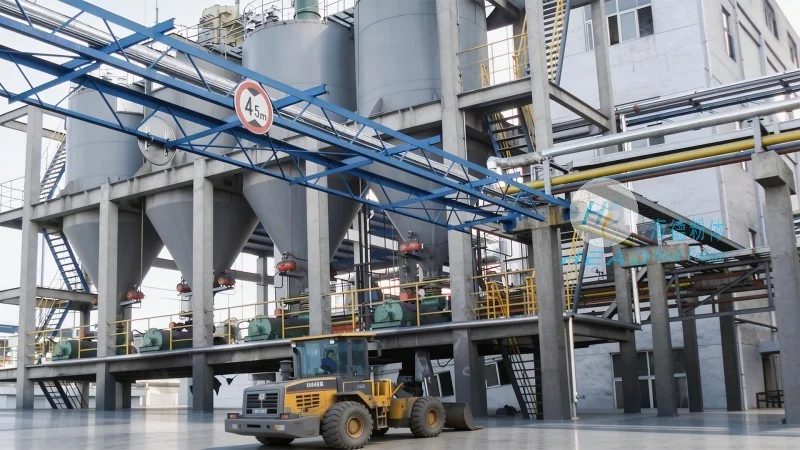
Customization and Integration with Existing Systems
Quantitative feeding powder conveying lines are often customized to meet the specific requirements of individual industrial applications. Manufacturers, such as Shandong HeadPowder Engineering Co., Ltd., offer tailored solutions that integrate seamlessly with existing production lines. The customization process involves assessing the client's material characteristics, production capacity, and operational needs. For example, the system may be designed to handle a specific type of powder, such as a fine or abrasive material, by selecting appropriate components like a special hopper lining or a high-capacity feeder. The integration with existing systems is crucial to ensure that the new feeding line complements the current infrastructure without causing disruptions. This may involve connecting the control unit to the existing PLC network or adapting the conveyor system to fit the available space. The customization also considers the need for compliance with industry standards and regulations, such as those related to food safety or environmental protection.
Maintenance and Troubleshooting
Proper maintenance is essential to ensure the long-term performance and reliability of quantitative feeding powder conveying lines. Regular maintenance activities include cleaning the hopper and feeder to prevent material buildup, checking the conveyor system for wear and tear, and inspecting the control unit for any malfunctions. Manufacturers like Shandong HeadPowder Engineering Co., Ltd., provide maintenance services and spare parts to support their clients. Troubleshooting common issues, such as uneven feeding or system downtime, involves checking the sensor readings, verifying the feeder settings, and inspecting the material flow path. By addressing these issues promptly, operators can maintain the system's efficiency and extend its operational life. The importance of regular maintenance cannot be overstated, as it helps prevent major breakdowns and ensures that the system continues to deliver precise and consistent material feeding.