

What is a Negative Pressure Powder Conveying System? And What Are Its Design Principles?
Understanding the negative pressure powder conveying system is crucial for industries dealing with bulk powder handling. This technology offers an efficient and safe method for transporting powders over long distances or within complex layouts. The core of this system lies in its ability to create a vacuum, which draws the powder material from the source to the destination, ensuring minimal dust emission and maintaining product integrity.
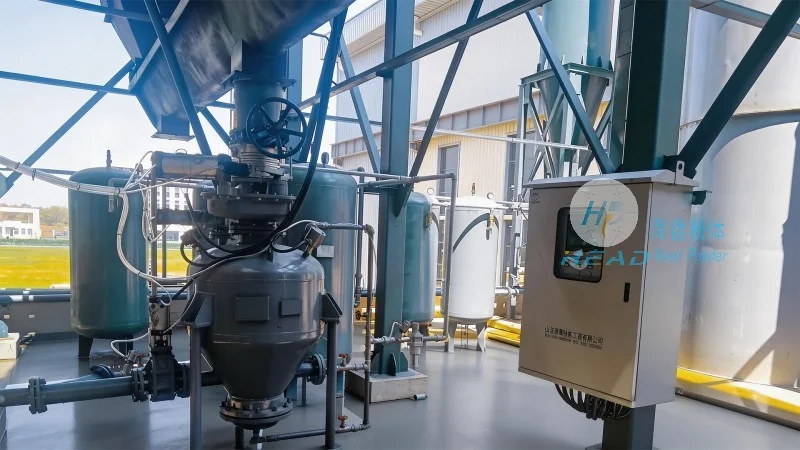
Introduction to Negative Pressure Powder Conveying Systems
A negative pressure powder conveying system, also known as a vacuum conveyor, is a specialized equipment designed to transport dry powders and granules. Unlike positive pressure systems that blow air to push material, negative pressure systems use suction to draw the material. This approach is particularly advantageous in applications where dust control and product purity are paramount. The system is widely used in pharmaceuticals, food processing, chemical manufacturing, and other industries where contamination must be strictly avoided.
Design Principles of Negative Pressure Powder Conveying Systems
The design of a negative pressure powder conveying system is based on several key principles that ensure optimal performance and reliability. The primary components include a vacuum pump, a conveying pipe network, a hopper for material storage, and a filter system to capture any airborne particles. The vacuum pump generates the necessary negative pressure, which is distributed through the pipe network to create a consistent suction force. The conveying pipe is typically made of materials like stainless steel or food-grade plastic to prevent material contamination and ensure durability. The hopper is designed to hold the bulk powder and feed it into the pipe system at a controlled rate. The filter system is critical as it captures any fine particles that may escape the pipe, preventing them from being released into the environment and maintaining air quality within the facility.
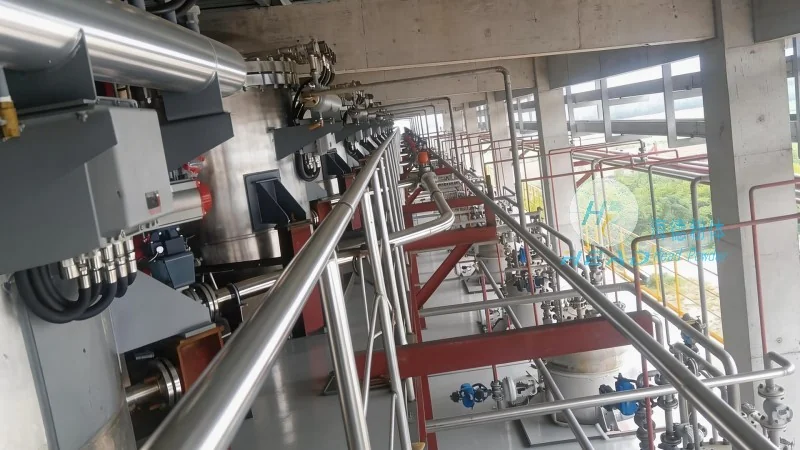
Key Components and Their Functions
Each component of the negative pressure powder conveying system plays a vital role in the overall operation. The vacuum pump is the heart of the system, responsible for creating and maintaining the vacuum level. It can be a rotary vane pump, a roots blower, or a combination of both, depending on the system's capacity and the material being conveyed. The conveying pipe network connects the source and destination, with the pipe diameter and length determined by the material's flow characteristics and the required conveying rate. The hopper is designed with a sloped bottom to facilitate smooth material flow and is equipped with a feeder, such as a rotary valve or a star feeder, to control the material discharge rate. The filter system, often a baghouse or a cartridge filter, is placed at the end of the pipe network to trap any dust particles before the air is released back into the environment. This not only protects the environment but also prevents the accumulation of dust in the system, which could lead to blockages or reduced efficiency.
Advantages of Negative Pressure Powder Conveying Systems
There are several advantages to using a negative pressure powder conveying system. Firstly, it provides excellent dust control, as the system operates under a vacuum, preventing powder from escaping into the surrounding environment. This is particularly important in industries where dust can be hazardous to health or cause product contamination. Secondly, the system is gentle on the material, minimizing particle breakage and preserving the material's quality and properties. This is crucial for sensitive materials like pharmaceuticals or food products. Thirdly, the system is flexible and can be configured to handle various material types and conveying distances. It can be easily adapted to different layouts and can transport materials from multiple sources to a single destination or vice versa. Additionally, the system is energy-efficient compared to positive pressure systems, as it requires less power to operate, leading to lower operational costs.
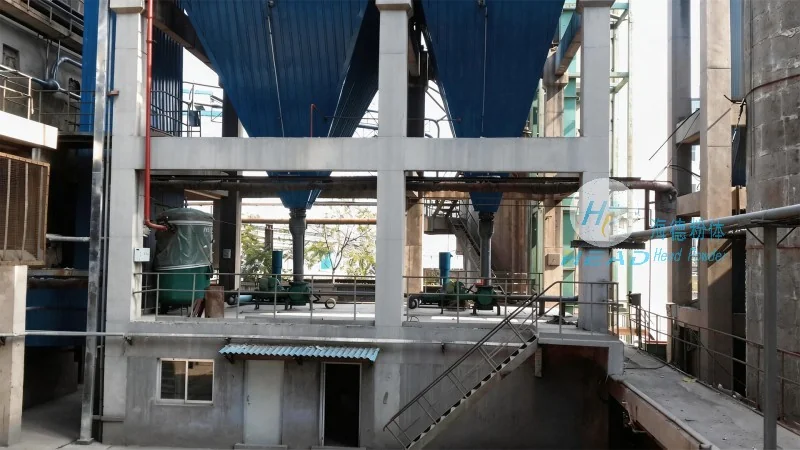
Applications in Different Industries
The negative pressure powder conveying system is widely used across various industries due to its versatility and effectiveness. In the pharmaceutical industry, it is used to transport active pharmaceutical ingredients (APIs) and excipients with high purity requirements. The system's ability to maintain a clean environment and prevent contamination makes it ideal for these applications. In the food processing industry, it is used to convey ingredients like flour, sugar, and spices, ensuring that the products remain fresh and free from contaminants. In the chemical manufacturing industry, it is used to transport powders such as catalysts, pigments, and reagents, which may be hazardous or reactive. The system's dust control and safety features make it suitable for these applications. In the agricultural industry, it is used to transport fertilizers and other bulk materials, improving efficiency and reducing labor costs. Overall, the negative pressure powder conveying system is a reliable and efficient solution for bulk powder handling in various sectors.
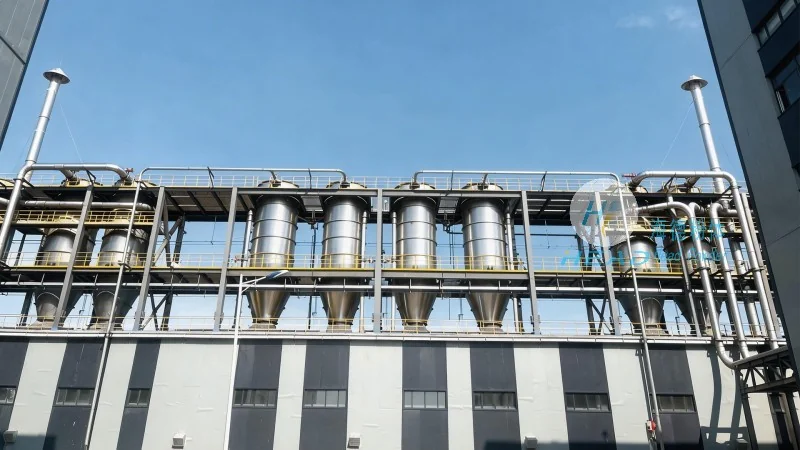
Maintenance and Operational Considerations
Maintaining a negative pressure powder conveying system is essential to ensure its long-term performance and reliability. Regular maintenance includes checking the vacuum pump for proper operation, inspecting the conveying pipes for blockages or leaks, and cleaning the filter system to prevent clogging. The hopper and feeder should also be checked for any material buildup or wear and tear. Operational considerations include monitoring the system's pressure and flow rates to ensure they are within the recommended range. It is also important to follow the manufacturer's guidelines for material handling and system operation to avoid any issues. Proper training of personnel on the system's operation and maintenance is crucial to prevent accidents and ensure the system's optimal performance. By following these guidelines, the system can operate efficiently and safely for an extended period, providing reliable powder conveying services.
Conclusion
In conclusion, the negative pressure powder conveying system is a sophisticated and effective technology for bulk powder handling. Its design principles, based on vacuum creation and controlled material flow, offer numerous advantages over traditional conveying methods. The system's ability to provide excellent dust control, maintain product quality, and operate efficiently makes it a preferred choice in various industries. With proper design, installation, and maintenance, this system can meet the diverse needs of different applications, ensuring reliable and safe powder transportation. As industries continue to demand higher standards of product quality and environmental compliance, the negative pressure powder conveying system remains a vital component in modern powder handling solutions.