

What is a Ternary Cathode Material Powder Conveying Equipment? What are Its Design Principles?
For manufacturers and researchers in the battery industry, the efficient and reliable handling of ternary cathode materials is a critical challenge. These materials, composed of nickel, cobalt, and manganese or other elements, are essential for high-performance lithium-ion batteries. However, their fine powder form presents unique challenges during processing, including dust generation, material loss, and the need for precise control to maintain product quality. This is where specialized equipment like the ternary cathode material powder conveying system comes into play, designed to address these issues with advanced engineering solutions.
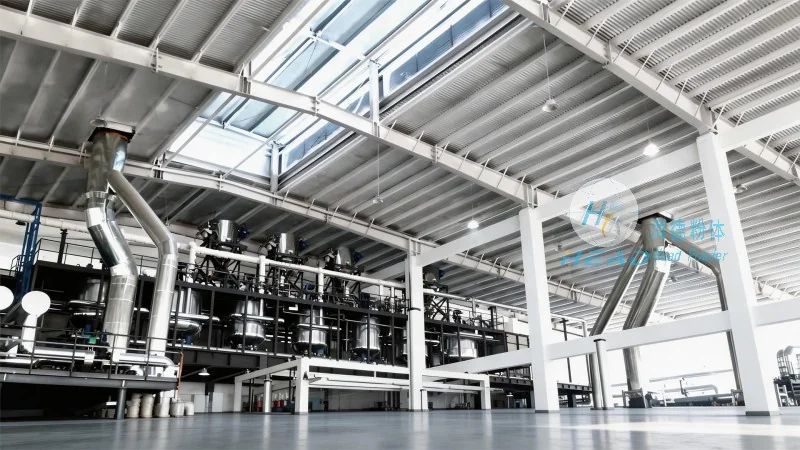
Understanding Ternary Cathode Materials and Their Processing Needs
Ternary cathode materials are a class of lithium-ion battery cathodes that combine multiple transition metals to enhance performance characteristics such as energy density, rate capability, and thermal stability. Common formulations include NCM (Nickel-Cobalt-Manganese) and NCA (Nickel-Cobalt-Aluminum), among others. The processing of these materials involves several steps, from mixing and grinding to packaging and transportation. Each step requires equipment that can handle fine powders without compromising purity or causing contamination. The challenge lies in maintaining the material's chemical composition and particle size distribution while ensuring safe and efficient operation.
The Role of Powder Conveying Equipment in Material Handling
Powder conveying equipment is a specialized system designed to transport fine powders like ternary cathode materials from one processing stage to another. These systems are engineered to minimize material loss, prevent dust dispersion, and maintain the integrity of the powder. The primary functions include bulk material handling, precise dosing, and integration with other processing equipment. For battery manufacturers, the choice of conveying system is crucial as it directly impacts production efficiency, product quality, and operational safety.
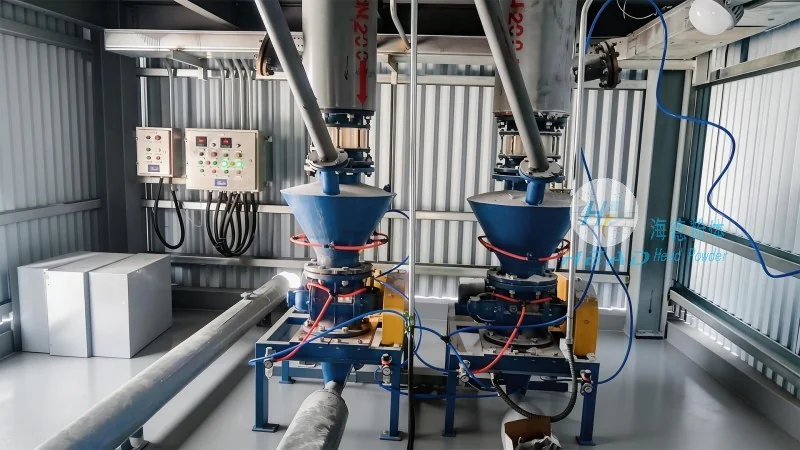
Design Principles of Ternary Cathode Material Powder Conveying Equipment
The design of ternary cathode material powder conveying equipment follows several key principles to ensure optimal performance. First, it prioritizes containment and dust control to prevent environmental contamination and product degradation. Advanced sealing mechanisms and enclosed systems are employed to keep the powder within the system and prevent exposure to air or moisture. Second, the equipment is designed for low shear and minimal particle breakage, as these materials are sensitive to mechanical stress that could alter their properties. This is achieved through gentle handling methods such as air conveying, screw conveyors, or pneumatic systems with soft materials.
Third, the system is engineered for scalability and flexibility to accommodate varying production volumes and material types. Modular designs allow for easy integration with existing production lines and future expansion. Additionally, the equipment is built with materials that are compatible with the cathode materials, avoiding chemical reactions or contamination. For example, stainless steel or special alloys are commonly used to prevent corrosion and maintain material purity.
Key Components and Operational Mechanisms
The ternary cathode material powder conveying system typically consists of several key components, each playing a vital role in the overall operation. The primary components include a hopper for material storage, a feeder to control the flow rate, a conveying mechanism (such as an air duct or screw), and a receiver for the final material. The hopper is designed with a smooth interior to prevent material buildup and ensure consistent flow. The feeder, often a rotary valve or a vibratory feeder, regulates the amount of material entering the conveying system, preventing overloading or underflow.
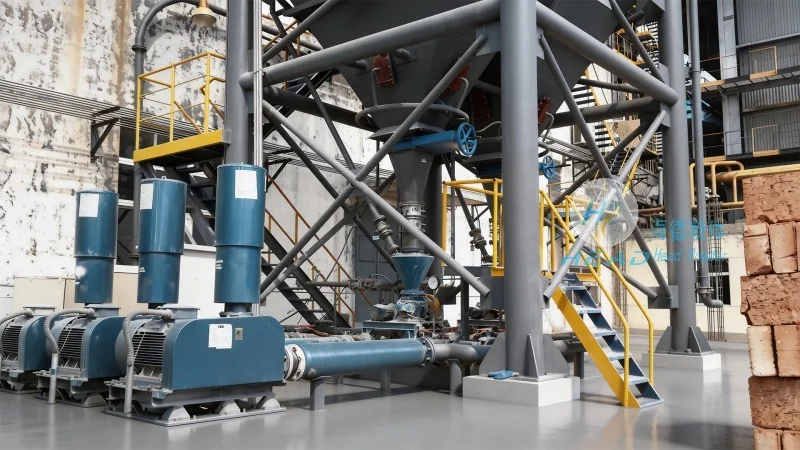
The conveying mechanism is the core of the system, responsible for transporting the powder from the hopper to the receiver. Air conveying systems use compressed air to move the powder through a pipeline, while screw conveyors use rotating screws to push the material forward. The choice of mechanism depends on factors such as material properties, required flow rate, and system layout. For sensitive materials like ternary cathodes, air conveying is often preferred due to its gentle handling and ability to maintain particle size distribution.
Advantages and Benefits for Battery Manufacturers
Implementing a ternary cathode material powder conveying system offers numerous advantages for battery manufacturers. First, it significantly improves production efficiency by automating the material handling process, reducing labor costs and minimizing downtime. The precise control over material flow ensures consistent batch quality, which is critical for meeting customer specifications and regulatory standards. Second, the system enhances safety by containing dust and preventing exposure to hazardous materials, reducing the risk of respiratory issues or environmental pollution.
Third, the equipment contributes to cost savings by minimizing material loss and reducing the need for reprocessing. By maintaining the integrity of the powder, manufacturers can avoid costly waste and improve overall yield. Additionally, the modular design allows for easy maintenance and repair, reducing downtime and extending the equipment's lifespan. The system's compatibility with existing production lines also minimizes the need for major infrastructure changes, making it a cost-effective solution for existing facilities.
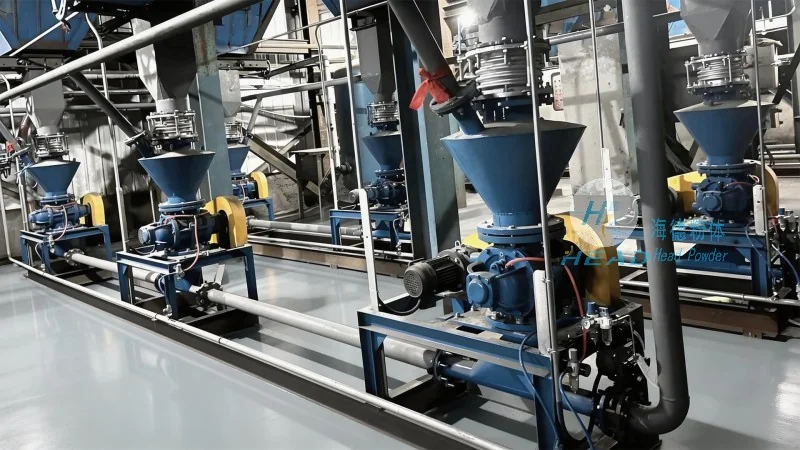
About Shandong HeadPowder Engineering Co., Ltd.
Shandong HeadPowder Engineering Co., Ltd., operating under the brand name headpowder, is a leading manufacturer of specialized powder handling equipment for the battery and materials processing industries. With a focus on innovation and customer-centric solutions, the company has developed advanced systems tailored to the unique needs of ternary cathode material processing. HeadPowder's equipment is designed to meet the highest standards of quality, efficiency, and safety, ensuring that manufacturers can produce high-performance batteries with reliability and consistency.
HeadPowder is committed to providing comprehensive support to its clients, from equipment design and manufacturing to installation and after-sales service. The company's team of engineers and technicians work closely with customers to understand their specific requirements and develop customized solutions that address their unique challenges. With a strong presence in China, particularly in Shandong, HeadPowder leverages its local expertise and resources to deliver high-quality products and services to the global market.