

What is a Frac Sand Powder Conveying Line? And What Are Its Design Principles?
For those in the oil and gas industry, particularly those involved in hydraulic fracturing operations, understanding the role of frac sand powder conveying lines is crucial. These systems are specialized equipment designed to transport frac sand—a critical component in the fracturing process—from storage to the well site. The efficiency and reliability of these conveying lines directly impact the success and cost-effectiveness of fracturing projects. In this article, we explore what frac sand powder conveying lines are and delve into their fundamental design principles.
About Shandong HeadPowder Engineering Co., Ltd.
HeadPowder, or Shandong HeadPowder Engineering Co., Ltd., is a leading manufacturer and supplier of industrial conveying systems based in Shandong, China. With a strong commitment to innovation and quality, the company specializes in developing customized solutions for powder and bulk material handling, including frac sand conveying lines. HeadPowder’s expertise lies in integrating advanced technology with practical engineering to meet the demanding requirements of the oil and gas sector.
What Are Frac Sand Powder Conveying Lines?
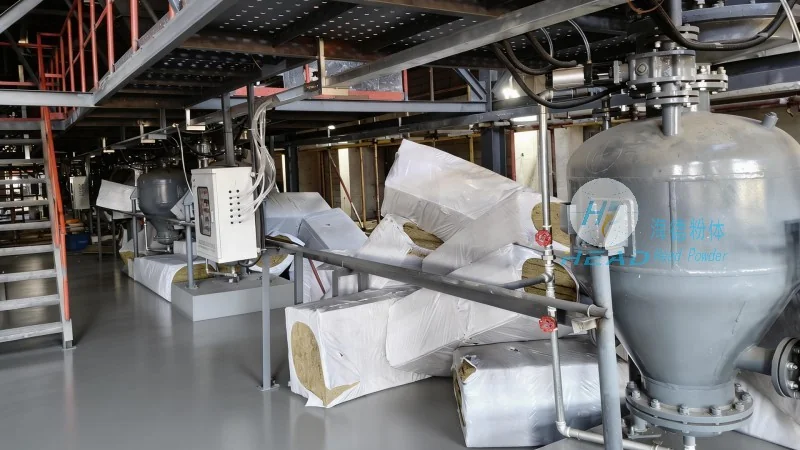
Frac sand powder conveying lines are engineered systems used to transport frac sand, which is typically composed of high-strength, round-grained sand (often silica sand) used to prop open fractures in oil and gas wells. The primary purpose of these lines is to move the sand from storage silos or bulk containers to the fracturing rig in a controlled, efficient manner. This process is essential because frac sand must be delivered in precise quantities and at consistent flow rates to ensure optimal well performance. The conveying lines often include components such as hoppers, feeders, conveyors (e.g., pneumatic or mechanical), and control systems to manage the sand's movement.
Key Design Principles of Frac Sand Powder Conveying Lines
The design of frac sand powder conveying lines is governed by several critical principles aimed at maximizing efficiency, minimizing material loss, and ensuring operational safety. These principles include:
- Material Handling Efficiency: The system must be capable of handling frac sand with minimal degradation or segregation. This involves selecting appropriate equipment, such as rotary feeders or pneumatic conveyors, that maintain the sand's uniformity and prevent clumping or bridging in the hopper.
- Flow Control and Regulation: Precise control over the flow rate is essential to match the demand of the fracturing operation. Variable speed drives, pressure sensors, and flow meters are commonly integrated into the design to regulate the sand's movement and prevent overloading or underflow.
- Material Compatibility: The conveying line components must be compatible with frac sand, which is often abrasive and can cause wear. Materials like stainless steel, high-strength alloys, or specialized coatings are used for hoppers, conveyors, and piping to ensure durability and longevity.
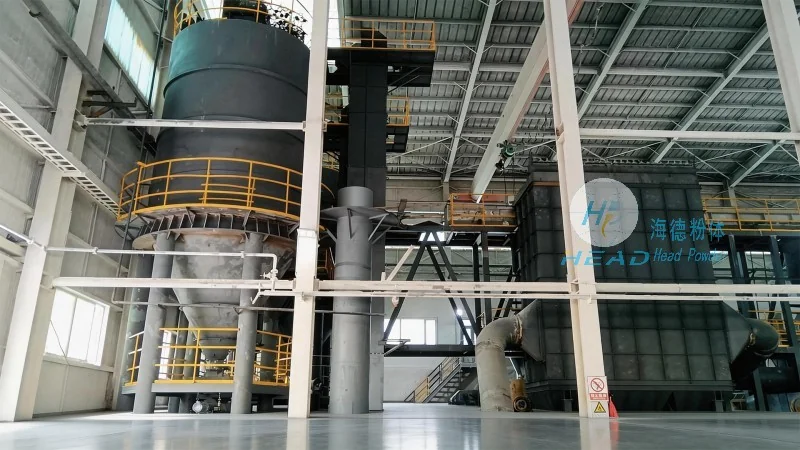
- System Integration: The conveying line is typically integrated with other equipment, such as storage silos, dust collection systems, and the fracturing rig. The design must consider the entire workflow, from sand storage to delivery, to ensure seamless operation and minimal downtime.
- Safety and Environmental Considerations: The system is designed to minimize dust emissions and prevent accidents. Features like dust suppression systems, enclosed conveying paths, and emergency stop mechanisms are incorporated to protect both personnel and the environment.
Components of a Typical Frac Sand Powder Conveying Line
A standard frac sand powder conveying line consists of several key components, each playing a vital role in the overall operation:
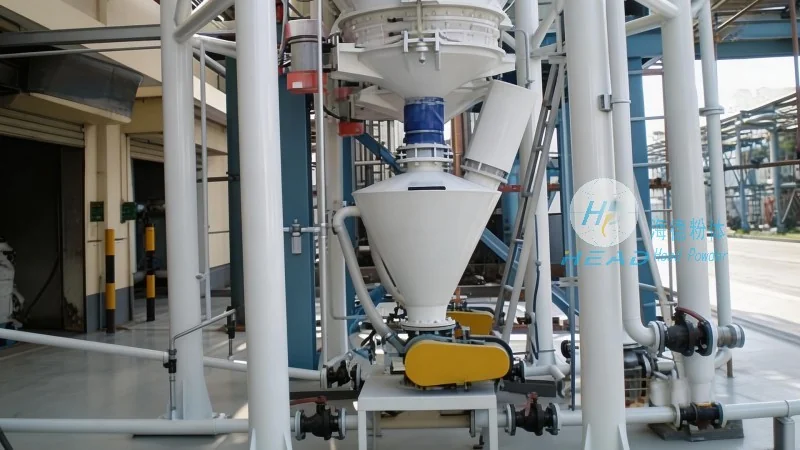
- Storage Silo: A large, sealed container where frac sand is stored before transport. The silo is equipped with a hopper and a discharge valve to control the initial flow of sand.
- Feeder: A device that regulates the flow of sand from the storage silo to the conveyor. Common types include rotary feeders, vibratory feeders, or screw feeders, which ensure a consistent and controlled discharge rate.
- Conveyor System: The core of the conveying line, responsible for moving the sand from the feeder to the well site. Pneumatic conveyors (using air pressure to transport the sand) or mechanical conveyors (using belts or buckets) are commonly used. Pneumatic systems are often preferred for their ability to handle long distances and multiple delivery points.
- Dust Collection System: To prevent dust from escaping into the environment, a dust collection system is integrated. This typically includes filters, fans, and a collection bin to capture and remove airborne particles.
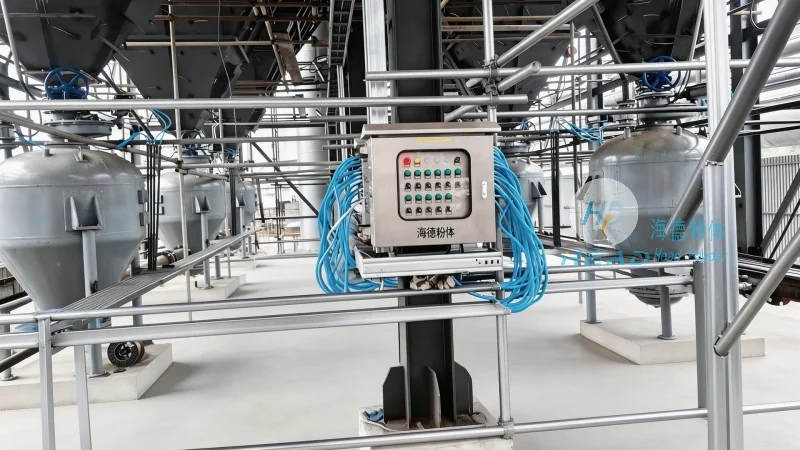
- Control Panel: A centralized control system that monitors and controls all components of the conveying line. The panel allows operators to adjust flow rates, monitor pressure and temperature, and activate emergency stop functions.
Advantages of Using Frac Sand Powder Conveying Lines
Implementing a frac sand powder conveying line offers several advantages for oil and gas operators:
- Increased Efficiency: Automated systems reduce the need for manual handling, leading to faster and more consistent delivery of frac sand to the well site.
- Reduced Labor Costs: By minimizing manual labor, operators can lower operational costs and improve overall productivity.
- Improved Material Quality: Controlled conveying reduces segregation and degradation of frac sand, ensuring that the sand delivered to the well is of consistent quality and size.
- Enhanced Safety: Enclosed systems and dust collection reduce the risk of dust exposure and accidents, creating a safer working environment.
- Scalability: The design of these systems allows for easy expansion or modification to accommodate changing project requirements or increased production volumes.
Conclusion
Frac sand powder conveying lines are essential infrastructure in modern hydraulic fracturing operations, enabling the efficient and reliable transport of frac sand from storage to the well site. The design principles behind these systems focus on material handling efficiency, flow control, compatibility, integration, and safety. By leveraging advanced technology and engineering expertise, companies like Shandong HeadPowder Engineering Co., Ltd. provide customized solutions that meet the unique needs of the oil and gas industry. Investing in a well-designed frac sand powder conveying line not only improves operational efficiency but also contributes to the overall success and profitability of fracturing projects.