

What is a Hexanedioic Acid Powder Conveying Line? And What Are Its Design Principles?
Hexanedioic acid, commonly known as adipic acid, is a crucial chemical compound widely used in the production of nylon and other polymers. The efficient handling and transportation of adipic acid powder are essential for industrial processes, and this is where specialized powder conveying lines come into play. This article explores what a hexanedioic acid powder conveying line is and delves into its fundamental design principles, providing insights into how these systems ensure safe, reliable, and efficient material transport.
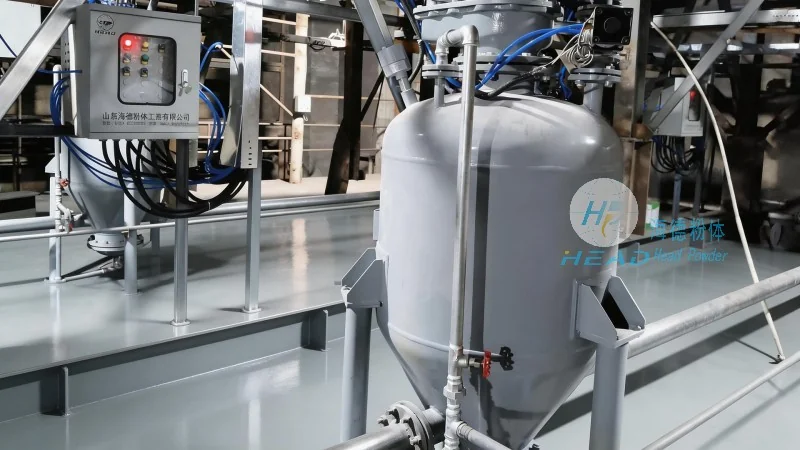
Understanding the Hexanedioic Acid Powder Conveying Line
A hexanedioic acid powder conveying line is a sophisticated system engineered to transport adipic acid powder from storage or processing units to various destinations within an industrial facility. These lines are designed to handle the unique properties of adipic acid powder, such as its fine particle size, potential for static charge accumulation, and sensitivity to moisture or contamination. The system typically comprises several key components, including hoppers, feeders, conveyors, and control systems, all working in tandem to ensure smooth and consistent material flow.
Key Components of the Conveying Line
1. Hoppers: The initial stage of the conveying line involves hoppers, which are used to store and feed the adipic acid powder. These containers are designed with smooth, non-stick surfaces to prevent material buildup and ensure uniform discharge. The hoppers often feature a conical or rectangular design to facilitate gravity-fed feeding, reducing the need for mechanical agitation.
2. Feeders: Feeders are critical components that regulate the flow rate of adipic acid powder from the hoppers into the conveyor system. Common types include rotary valves, vibratory feeders, and screw feeders. These devices ensure a controlled and consistent feed, preventing overloading or underfeeding that could disrupt the conveying process. For adipic acid, which can generate static electricity, feeders are often equipped with grounding mechanisms to prevent static discharge and maintain material stability.
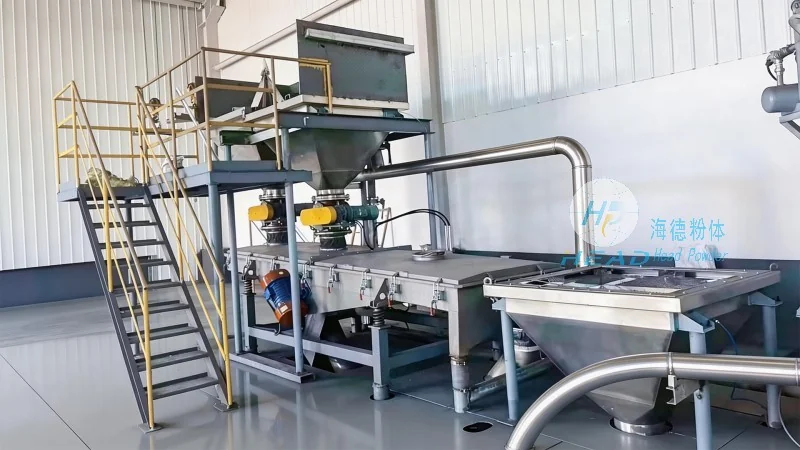
3. Conveyors: The conveyor system is the core of the powder conveying line, responsible for transporting the adipic acid powder through the facility. Various conveyor types are used, including pneumatic conveyors (air-assisted), screw conveyors, and belt conveyors. Pneumatic conveyors are particularly effective for fine powders like adipic acid, as they use air pressure to move the material, minimizing particle degradation and ensuring gentle handling. Screw conveyors, on the other hand, are suitable for bulkier or more cohesive powders, providing a continuous and reliable transport method.
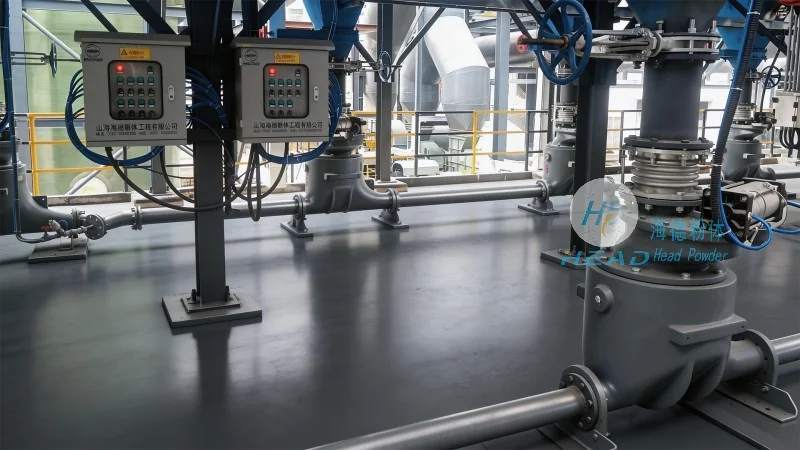
4. Control Systems: Modern hexanedioic acid powder conveying lines are equipped with advanced control systems that monitor and regulate the entire process. These systems include sensors for level detection, flow rate measurement, and pressure monitoring, as well as control panels that allow operators to adjust parameters in real-time. The integration of automation and digital controls enhances safety, reduces human error, and optimizes the overall efficiency of the conveying operation.
Design Principles for Hexanedioic Acid Powder Conveying Lines
The design of a hexanedioic acid powder conveying line is guided by several key principles aimed at ensuring safety, efficiency, and durability. These principles take into account the chemical and physical properties of adipic acid powder, as well as the operational requirements of the industrial facility.
1. Prevention of Material Degradation: Adipic acid powder is sensitive to temperature, moisture, and mechanical stress. The design of the conveying line minimizes exposure to these factors. For instance, the use of insulated hoppers and conveyors helps maintain a stable temperature, preventing thermal degradation of the powder. Additionally, the selection of materials for hoppers and conveyors, such as stainless steel or corrosion-resistant alloys, protects the powder from chemical reactions and ensures long-term durability.
2. Static Charge Management: Powder handling, especially with fine particles like adipic acid, can lead to static charge accumulation. This can cause issues such as material sticking to equipment, sparks, or even fire hazards. The design incorporates grounding and anti-static measures, including conductive materials, grounding straps, and ionizers, to dissipate static electricity and maintain safe operation.
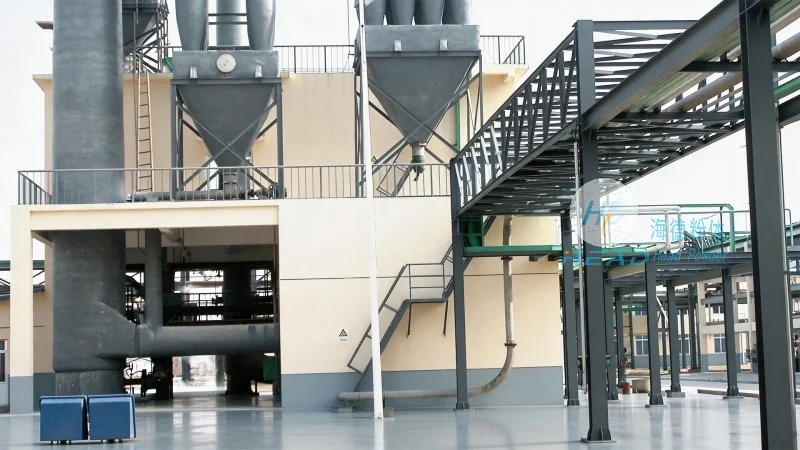
3. Prevention of Contamination: Adipic acid is a high-purity chemical, and any contamination can compromise its quality and usability. The conveying line is designed with cleanable surfaces and sealed connections to prevent cross-contamination from other materials or the environment. The use of air filtration systems and positive pressure enclosures further ensures that the powder remains free from dust, moisture, or foreign particles.
4. Efficient Material Flow: The design focuses on optimizing the flow of adipic acid powder to minimize downtime and maximize throughput. This includes proper hopper design for uniform feeding, appropriate conveyor speed and inclination, and the use of smooth, low-friction surfaces to reduce resistance and energy consumption. The integration of feedback sensors allows for real-time adjustments to maintain optimal flow rates.
Applications and Benefits of Hexanedioic Acid Powder Conveying Lines
Hexanedioic acid powder conveying lines are widely used in various industrial applications, particularly in the chemical and polymer manufacturing sectors. These systems are essential for the seamless transfer of adipic acid from storage to reactors, reactors to filtration units, or from production lines to packaging areas. The benefits of using such specialized conveying lines include improved operational efficiency, reduced labor costs, enhanced safety, and consistent product quality.