

[What is a Nitrate Ammonium Powder Conveying Line? And What Are Its Design Principles?]
Understanding the nitrate ammonium powder conveying line is crucial for industries dealing with this specific chemical. This system is engineered to safely and efficiently transport nitrate ammonium powder, a critical component in various industrial applications. The design principles behind such a line are tailored to address the unique properties of the material, ensuring optimal performance and safety throughout the conveying process.
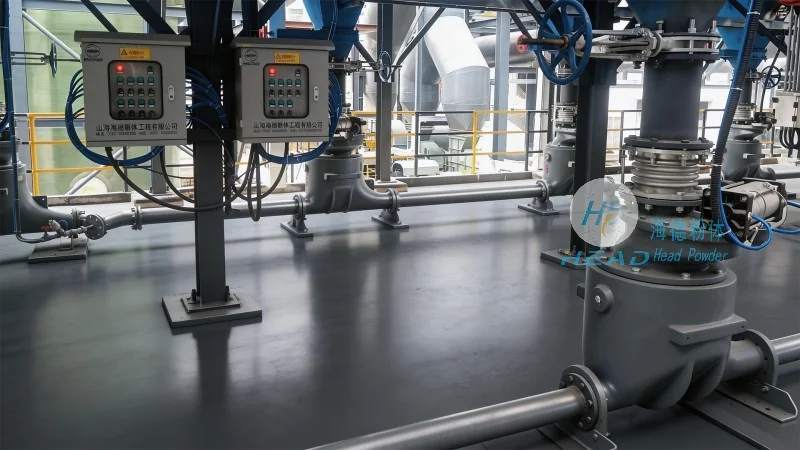
HeadPowder, a leading manufacturer in the field, specializes in the design and production of advanced powder handling systems. With a strong presence in Shandong, China, the company leverages years of experience to develop solutions that meet the stringent requirements of the industry. The company’s commitment to quality and innovation is reflected in its comprehensive approach to powder conveying technology.
System Components of a Nitrate Ammonium Powder Conveying Line
A typical nitrate ammonium powder conveying line consists of several key components that work in tandem to ensure smooth operation. The primary components include a feeding device, a conveying device (such as a screw conveyor or pneumatic conveyor), a control system, and a dust collection unit. Each component is carefully selected and integrated to handle the specific characteristics of nitrate ammonium powder, which can be sensitive to moisture and temperature changes.
Design Principles and Considerations
The design of a nitrate ammonium powder conveying line is guided by several fundamental principles aimed at ensuring safety, efficiency, and reliability. First, the system must account for the material's flow properties, including its bulk density, angle of repose, and cohesive behavior. These properties influence the choice of conveying equipment and the overall layout of the line. For instance, screw conveyors are often preferred for their ability to handle cohesive powders without causing blockages, while pneumatic conveyors may be used for longer distances or when high-temperature materials are involved.
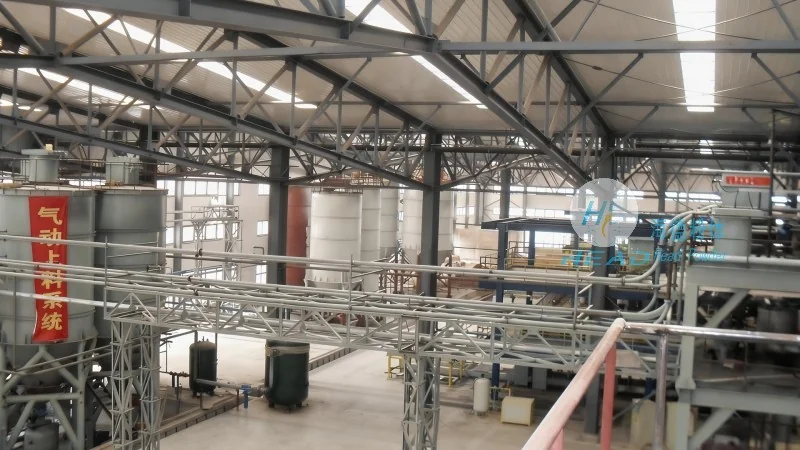
Second, the design must incorporate robust sealing and dust control measures. Nitrate ammonium is a hazardous material, and any leakage or dust emission can pose significant safety risks. Therefore, the system is equipped with high-quality seals, such as double-flanged or mechanical seals, to prevent material leakage and protect the environment. Additionally, dust collection systems, including cyclones and bag filters, are integrated to capture and contain any airborne particles, ensuring compliance with environmental regulations.
Third, the control system plays a vital role in optimizing the conveying process. Modern systems utilize advanced control technologies, such as PLC (Programmable Logic Controller) and SCADA (Supervisory Control and Data Acquisition), to monitor and regulate the flow rate, pressure, and temperature of the material. This allows for real-time adjustments to maintain consistent performance and prevent overloading or underloading of the conveying equipment. The control system also includes safety interlocks to shut down the line in case of abnormal conditions, such as blockages or excessive pressure.
Safety and Compliance in Design
Given the hazardous nature of nitrate ammonium, safety is a top priority in the design of the conveying line. The system is engineered to comply with relevant safety standards and regulations, such as those from the Occupational Safety and Health Administration (OSHA) and the International Organization for Standardization (ISO). Key safety features include explosion-proof components, fire-resistant materials, and emergency shut-off valves. The design also considers the potential for chemical reactions or decomposition under certain conditions, ensuring that the system is built to withstand these risks.
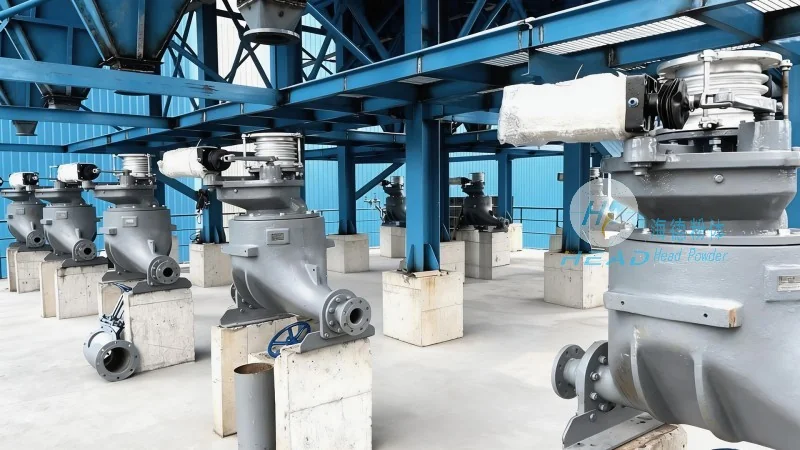
Furthermore, the system is designed with ease of maintenance in mind. Access panels and inspection points are strategically placed to allow for regular checks and cleaning, reducing the risk of material buildup and potential hazards. The use of corrosion-resistant materials, such as stainless steel, is also common to ensure the longevity of the equipment and maintain the purity of the powder.
Applications and Industrial Use
Nitrate ammonium powder conveying lines are widely used in various industrial sectors, including chemical manufacturing, fertilizer production, and food processing. In the chemical industry, these systems are essential for transporting raw materials to reactors and processing units. In fertilizer production, they play a critical role in moving the powder to packaging and storage facilities. The efficiency and reliability of the conveying line directly impact the overall productivity and cost-effectiveness of these operations.
HeadPowder's expertise in powder handling technology has enabled the company to develop customized solutions tailored to the specific needs of each client. Whether it's a small-scale operation or a large industrial plant, the company's engineers work closely with clients to understand their requirements and design a system that maximizes performance while minimizing risks. The company's commitment to quality and safety has earned it a reputation as a trusted partner in the industry.