

What is a Calcium Lime Powder Conveying Line? And What Are Its Design Principles?
Calcium lime powder conveying lines are specialized systems engineered to transport calcium lime powder efficiently and safely. These systems are crucial in various industrial applications, particularly in the production and processing of calcium lime, where reliable material handling is essential for maintaining product quality and operational efficiency. The design of such lines involves a combination of mechanical components, control systems, and material handling technologies tailored to the unique properties of calcium lime powder, including its dustiness, reactivity, and flow characteristics. Developed by Shandong HeadPowder Engineering Co., Ltd., a leading provider of industrial material handling solutions, these systems are built to meet the highest standards of performance and durability.
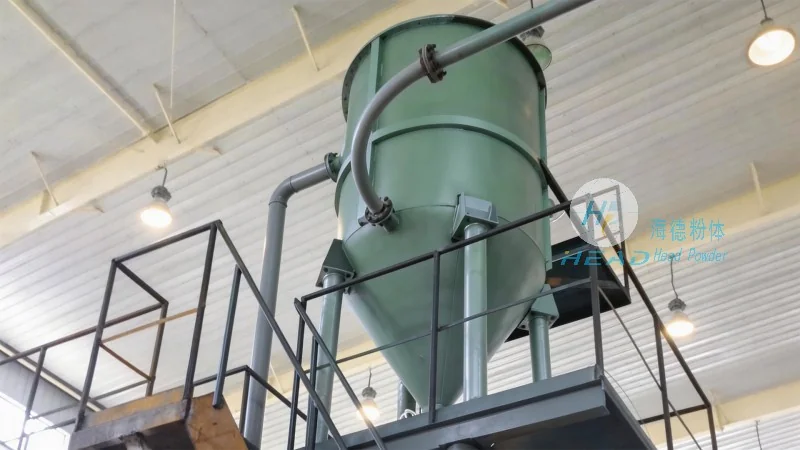
Understanding the Core Components of a Calcium Lime Powder Conveying Line
A typical calcium lime powder conveying line consists of several key components that work in tandem to ensure smooth material transport. The primary components include a feeding device, conveying equipment (such as screw conveyors, pneumatic conveyors, or bucket elevators), a control system, and a dust collection system. Each component is selected based on the specific requirements of the application, including the volume of material to be conveyed, the distance over which it needs to be transported, and the environmental conditions of the facility. The feeding device is responsible for introducing the calcium lime powder into the system, while the conveying equipment moves the material through the line. The control system monitors and regulates the operation of these components, ensuring optimal performance. The dust collection system is integrated to manage the dust generated during material handling, maintaining a safe and clean working environment.
The Design Principles Behind Calcium Lime Powder Conveying Systems
The design principles for calcium lime powder conveying lines are centered on ensuring efficient material flow, minimizing material degradation, and maintaining a safe working environment. One of the fundamental principles is the prevention of material buildup and blockages, which can occur due to the cohesive nature of calcium lime powder. To address this, conveying systems often incorporate features like inclined screw sections, vibration mechanisms, or air-assisted flow to promote consistent material movement. Additionally, the design emphasizes the use of materials that are compatible with calcium lime, such as stainless steel or corrosion-resistant alloys, to prevent chemical reactions that could affect the powder's quality. The system is also designed to handle the dustiness and reactivity of calcium lime, with sealed and enclosed components to minimize exposure and contamination.
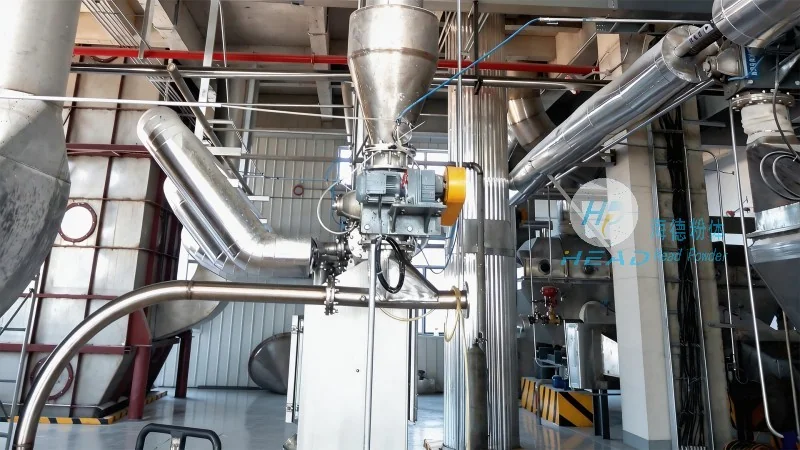
Control and Automation in Calcium Lime Powder Conveying Lines
Modern calcium lime powder conveying lines are equipped with advanced control and automation systems to enhance operational efficiency and safety. These systems typically include sensors for monitoring material levels, flow rates, and pressure, as well as programmable logic controllers (PLCs) that regulate the operation of conveying equipment. The integration of automation allows for real-time adjustments to the conveying process, ensuring that the system operates at optimal performance levels while minimizing the risk of overloading or underloading. Furthermore, the control systems often include safety features such as emergency stop buttons and interlocks to prevent accidents during operation. The automation also helps in maintaining consistent product quality by controlling the flow rate and preventing variations in the material being conveyed.
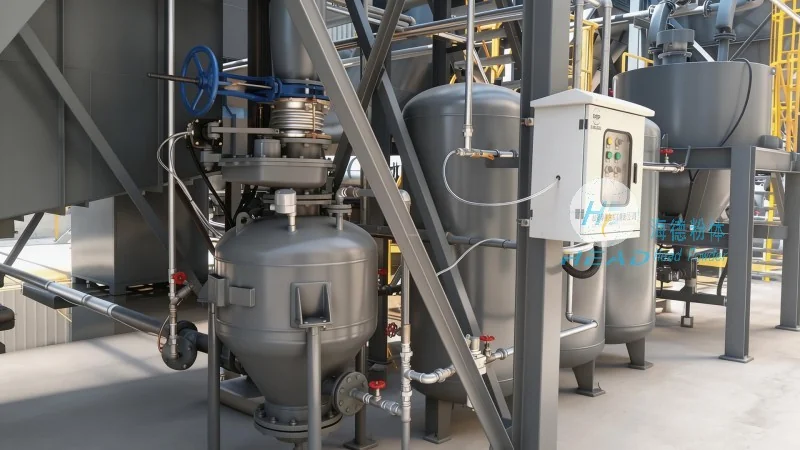
Environmental Considerations in Calcium Lime Powder Conveying
Due to the dustiness of calcium lime powder, environmental considerations are a critical aspect of the design and operation of conveying lines. Effective dust collection systems, such as baghouse filters or cartridge filters, are integrated into the system to capture and remove airborne particles, preventing contamination of the working environment and complying with environmental regulations. The design also includes features like sealed conveying sections and enclosed hoppers to minimize dust emissions during material handling. These measures not only protect the health and safety of workers but also help maintain the quality of the calcium lime powder by preventing contamination from external sources. The dust collection systems are designed to meet industry standards for air quality, ensuring that the operation is environmentally responsible.
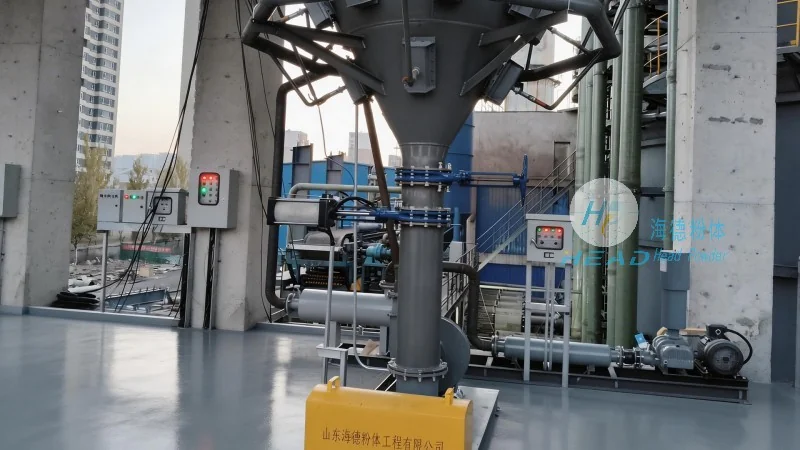
Application-Specific Design for Calcium Lime Powder Conveying
The design of calcium lime powder conveying lines is highly application-specific, as the requirements can vary significantly depending on the end-use of the calcium lime. For example, in the production of calcium lime for agricultural applications, the conveying system may need to handle larger volumes of material over longer distances, requiring more robust and high-capacity equipment. In contrast, for industrial applications where the powder is used as a raw material in chemical processes, the system may prioritize precision and minimal material degradation. The flexibility of modern conveying systems allows for customization to meet these diverse application needs, ensuring that the system is optimized for the specific requirements of the operation. Shandong HeadPowder Engineering Co., Ltd. specializes in tailoring these systems to meet the unique demands of each client, providing solutions that enhance productivity and efficiency.
Maintenance and Operational Best Practices for Calcium Lime Powder Conveying Lines
Proper maintenance and operational practices are essential for the long-term performance and reliability of calcium lime powder conveying lines. Regular maintenance tasks include cleaning the conveying equipment, inspecting for wear and tear, and checking the functionality of the control systems. It is also important to monitor the condition of the material being conveyed, as changes in the powder's properties (such as moisture content or particle size) can affect the system's performance. Additionally, training operators on proper handling procedures and safety protocols is crucial to prevent accidents and ensure the efficient operation of the system. By following these best practices, users can maximize the lifespan of their conveying equipment and maintain consistent material handling performance. The company, Shandong HeadPowder Engineering Co., Ltd., offers maintenance services and technical support to help clients optimize their systems and ensure they operate at peak efficiency.