

What is Pneumatic Ash Handling? And Its Design Principles Explained
Understanding the fundamentals of pneumatic ash handling is crucial for industries dealing with the management of fly ash and bottom ash from thermal power plants. This process involves the transport of solid particles, such as ash, through a pipeline using a gas stream, typically air or a mixture of air and other gases. The efficiency and reliability of these systems are directly tied to their design principles, which must account for various operational and material factors. In this article, we explore the core concepts of pneumatic ash handling and delve into the key design considerations that ensure optimal performance.
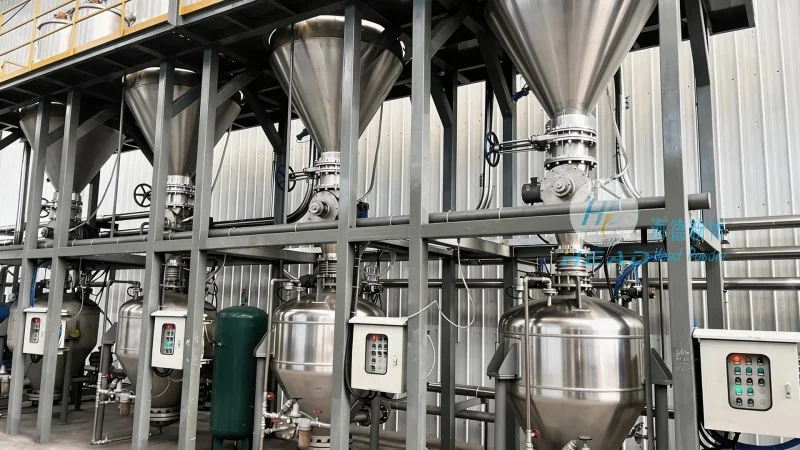
What is Pneumatic Ash Handling?
Pneumatic ash handling is a method of transporting bulk materials, particularly ash from coal-fired power stations, through a pipeline using a pressurized gas. The system typically consists of a conveyor line where ash is introduced into the pipeline, and a gas stream (often air) is used to move the material. This technology is widely used in the power generation industry due to its ability to handle large volumes of ash while minimizing the need for mechanical components that might wear out or require maintenance. The process involves several stages: ash collection, feeding into the pipeline, transport via the gas stream, and discharge at the destination point.
Key Components of a Pneumatic Ash Handling System
At the heart of any pneumatic ash handling system are several critical components that work in tandem to ensure smooth operation. These include ash feeders, which introduce the material into the pipeline at a controlled rate; a pipeline network that conveys the ash; a gas supply system that provides the necessary pressure and flow; and a discharge system that delivers the ash to its final destination. Each component must be designed to handle the specific characteristics of the ash, such as particle size, moisture content, and abrasiveness, to prevent system blockages or damage.
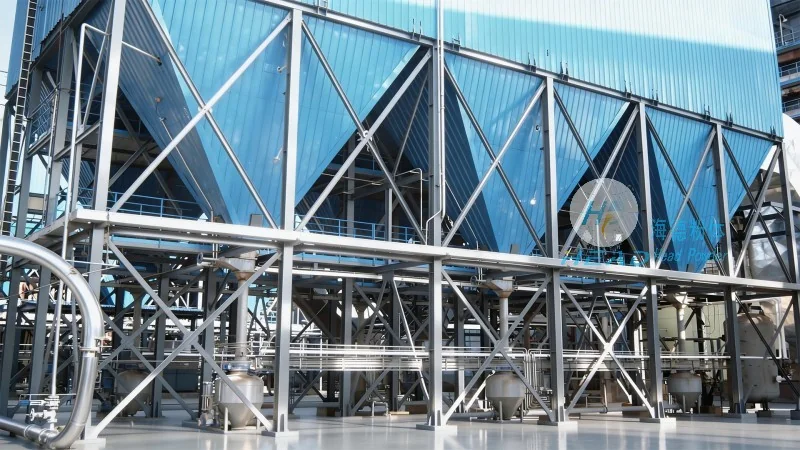
Design Principles for Efficient Pneumatic Ash Handling
The design of a pneumatic ash handling system is a complex process that requires careful consideration of several factors to ensure efficiency, reliability, and cost-effectiveness. Key design principles include maintaining appropriate gas velocity to prevent particle deposition, selecting suitable materials for components that come into contact with abrasive ash, and ensuring proper system sizing to handle the expected ash flow rates. Engineers must also account for the effects of ash moisture and temperature, as these can impact the system's performance and require additional measures, such as drying or heating, to maintain optimal conditions.
Material Handling and System Sizing
One of the primary design challenges in pneumatic ash handling is ensuring that the system can handle the volume and characteristics of the ash without causing blockages or excessive pressure drops. This involves calculating the required gas velocity, which is typically maintained above a critical value to keep particles suspended and prevent them from settling in the pipeline. The system's capacity is determined by factors such as the ash feed rate, particle size distribution, and the length and diameter of the pipeline. Proper sizing is essential to avoid energy inefficiencies or system failures, as insufficient gas velocity can lead to ash accumulation, while excessive velocity can increase energy consumption and wear on components.
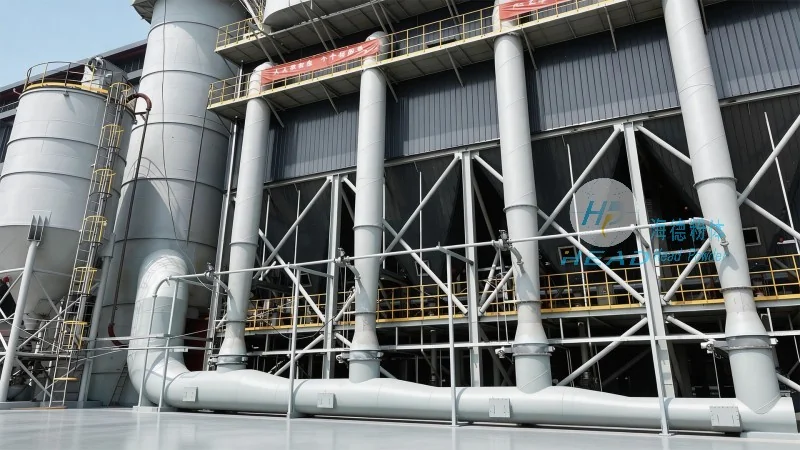
Component Selection and Material Considerations
The choice of materials for the components of a pneumatic ash handling system is critical to its longevity and performance. Ash, especially from coal-fired plants, can be highly abrasive and corrosive, so components such as pipelines, valves, and feeders must be constructed from materials that can withstand these conditions. Common materials include high-strength steel, stainless steel, and specialized alloys that resist wear and corrosion. Additionally, the design must consider the potential for ash to cause erosion or abrasion, which may require special coatings or linings on components to extend their service life.
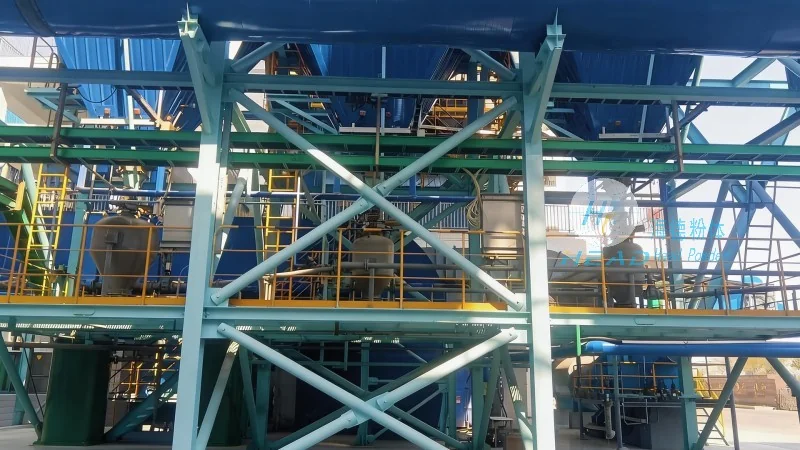
System Integration and Operational Considerations
Pneumatic ash handling systems are often integrated into larger plant operations, and their design must account for the overall plant layout and operational requirements. This includes ensuring that the system can be easily maintained and serviced, with access points for inspection and repair. Operational considerations also involve the need for proper control systems to regulate gas flow, ash feed rate, and system pressure, ensuring that the system operates within safe and efficient parameters. Regular monitoring and maintenance are essential to prevent system failures and ensure consistent performance over the long term.
Conclusion
Pneumatic ash handling is a vital technology for the efficient management of ash from thermal power plants, and its design principles are critical to its success. By carefully considering factors such as gas velocity, material selection, and system sizing, engineers can design systems that are reliable, efficient, and cost-effective. The expertise of companies like Shandong HeadPowder Engineering Co., Ltd. plays a crucial role in implementing these design principles, ensuring that ash handling systems meet the demands of modern power generation while minimizing environmental impact.