

What is Negative Pressure Suction Pneumatic Conveying? And What Are Its Design Principles?
HeadPowder, a leading provider of advanced material handling solutions, specializes in negative pressure suction pneumatic conveying systems. This technology offers an efficient and flexible method for transporting bulk materials over long distances or within complex layouts. Understanding the fundamentals of this system, including its design principles, is crucial for optimizing material flow in various industrial applications.
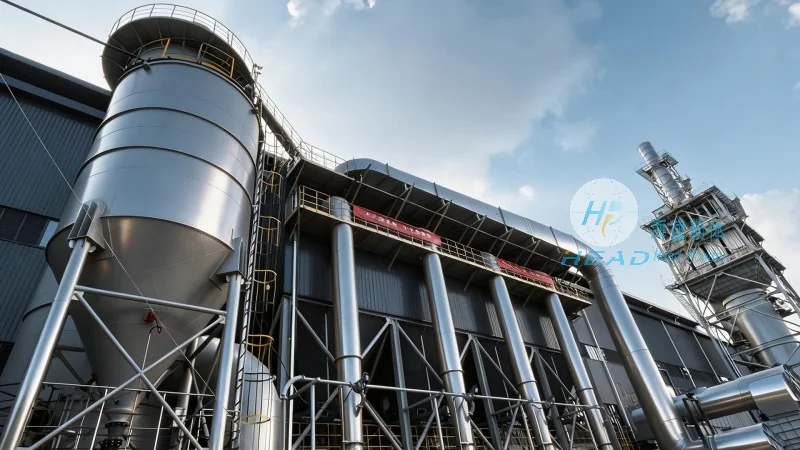
What is Negative Pressure Suction Pneumatic Conveying?
Negative pressure suction pneumatic conveying, also known as vacuum conveying, is a process that uses a vacuum pump to create a low-pressure environment at the material source. This vacuum draws the material from a hopper or storage container into a sealed pipeline. The system then transports the material to a destination, such as a processing unit or storage silo, by maintaining the vacuum throughout the pipeline. Unlike positive pressure systems that force air and material through the line, negative pressure systems draw material in, which can reduce dust emissions and energy consumption in certain scenarios.
Key Components of a Negative Pressure Suction System
The design of a negative pressure suction system involves several critical components that work in tandem to ensure reliable material transport. The primary components include a vacuum pump, a material feed hopper, a filter, a cyclone separator, and a discharge valve. The vacuum pump generates the necessary negative pressure, while the feed hopper holds the bulk material. As the vacuum is applied, material is drawn into the pipeline through a feed port, often equipped with a star valve or rotary valve to control the flow rate. The filter and cyclone separator are essential for cleaning the air and separating the material from the conveying air, preventing clogging and maintaining system efficiency.
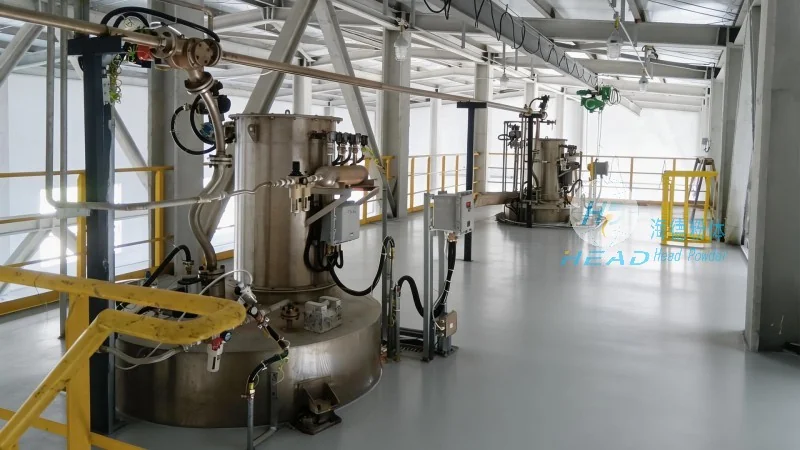
Design Principles and Operational Mechanics
The design principles of negative pressure suction systems focus on maintaining consistent vacuum levels and controlling material flow to prevent blockages. The system must be sized appropriately to handle the material's characteristics, such as particle size, density, and moisture content. Proper sizing of the vacuum pump, pipeline diameter, and filter capacity is critical to ensure smooth operation. The system also incorporates safety features, such as pressure relief valves and overcurrent protection, to prevent damage from excessive vacuum or material buildup. The use of flexible hoses or rigid pipes depends on the application, with rigid pipes offering better control over material flow and less pressure drop over long distances.
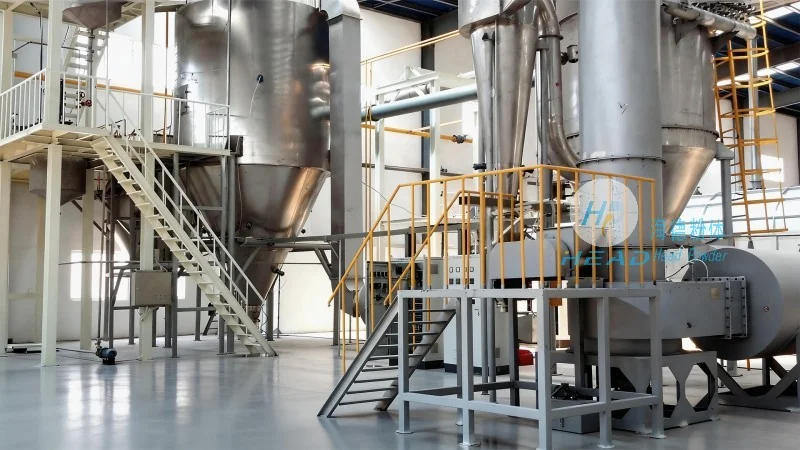
Advantages and Applications of Negative Pressure Suction Conveying
Negative pressure suction pneumatic conveying offers several advantages that make it suitable for a wide range of industrial applications. These include low material degradation due to gentle handling, reduced dust emissions compared to positive pressure systems, and the ability to transport materials from multiple sources to a single destination. The system is commonly used in industries such as food processing, pharmaceuticals, chemicals, and minerals, where handling fine powders or granules requires precision and cleanliness. For example, in the food industry, negative pressure systems can transport flour, sugar, or spices without cross-contamination or loss of product quality. In the chemical industry, they are used to convey powders like cement or plastic resins, where dust control is essential for safety and regulatory compliance.
HeadPowder's Expertise in Negative Pressure Conveying Solutions
Shandong HeadPowder Engineering Co., Ltd., based in China, is a trusted partner for businesses seeking reliable negative pressure suction pneumatic conveying systems. With years of experience in the material handling industry, HeadPowder designs and manufactures customized solutions tailored to specific operational needs. The company's engineers work closely with clients to understand their material characteristics, processing requirements, and space constraints, ensuring the final system meets all performance and safety standards. HeadPowder's solutions are built with high-quality components, including advanced vacuum pumps, efficient filters, and durable pipelines, providing long-term reliability and minimal maintenance. The company's commitment to innovation and customer satisfaction has made it a leader in providing efficient and sustainable material transport solutions across various industries.