

What is a cement raw material powder conveyor? What are its design principles?
For professionals in the cement industry, understanding the equipment used to transport raw materials is crucial for efficient production. One such key equipment is the cement raw material powder conveyor. This article will explore what this equipment is and delve into its design principles, providing insights into how it operates and its importance in cement manufacturing processes.
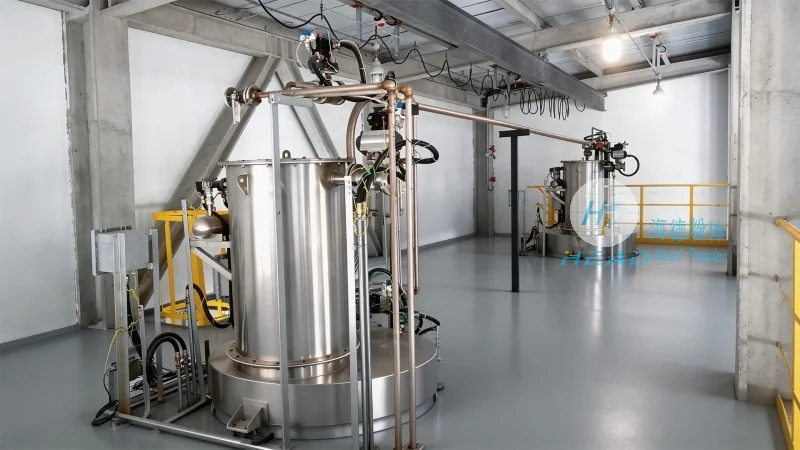
Cement Raw Material Powder Conveyor: An Overview
A cement raw material powder conveyor, also known as a bulk material conveyor, is a specialized system designed to transport dry powders and granular materials, such as limestone, clay, and iron ore, which are essential raw materials for cement production. These materials are typically in a fine powder or granular form and require efficient, dust-free, and reliable transportation to the cement kiln or other processing units. The conveyor system plays a vital role in ensuring a continuous and stable supply of raw materials, which directly impacts the overall productivity and quality of cement production.
Design Principles of Cement Raw Material Powder Conveyors
The design of a cement raw material powder conveyor is based on several key principles to ensure optimal performance, safety, and efficiency. These principles include material handling capacity, material characteristics, system integration, and operational reliability. Let's explore each of these aspects in detail.
1. Material Handling Capacity and Flow Rate
The primary design consideration for a cement raw material powder conveyor is its capacity to handle the required volume of raw materials. The flow rate is determined by factors such as the material's bulk density, particle size distribution, and the desired production rate of the cement plant. Engineers calculate the required conveyor belt width, speed, and drive power based on these parameters to ensure the system can meet the plant's production demands without bottlenecks or overloading.
2. Material Characteristics and Wear Resistance
Cement raw materials, especially limestone and clay, are abrasive and can cause significant wear on conveyor components. Therefore, the design incorporates wear-resistant materials for the conveyor belt, idlers, and hangers. High-quality rubber or synthetic materials are used for the belt to withstand the abrasive nature of the raw materials. Additionally, the idlers and hangers are often made of steel with protective coatings or liners to extend their service life and maintain the conveyor's structural integrity.
3. Dust Control and Environmental Considerations
Due to the fine nature of cement raw materials, dust generation is a major concern during transportation. The design of the conveyor system includes dust suppression measures, such as sealing the conveyor structure, using dust collection systems, and incorporating air curtains or venturi scrubbers. These measures help to minimize dust emissions, protect the environment, and ensure the safety of personnel working in the plant. Proper ventilation and filtration systems are also integrated into the design to maintain a clean and safe working environment.
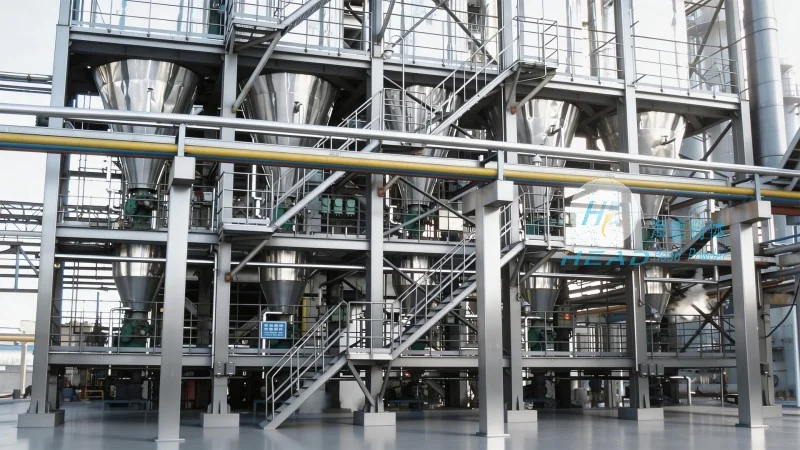
4. System Integration and Automation
A modern cement raw material powder conveyor is often part of a larger automated material handling system. The design considers integration with other equipment, such as feeders, storage silos, and processing units. Automation features, including sensors for level monitoring, flow control, and emergency stop mechanisms, are incorporated to enhance operational efficiency and safety. The system is designed to operate with minimal human intervention, reducing the risk of errors and improving overall productivity.
5. Energy Efficiency and Maintenance
Energy consumption is a critical factor in the design of any industrial conveyor system. Engineers focus on optimizing the drive system, using efficient motors and variable frequency drives (VFDs) to adjust the conveyor speed based on the material flow. This helps to reduce energy costs and improve the system's overall efficiency. Additionally, the design emphasizes ease of maintenance, with accessible components and modular design that allows for quick repairs and replacements without disrupting the entire production process.
Key Components and Their Functions
To understand the design principles better, it's essential to know the key components of a cement raw material powder conveyor and their functions. The main components include the conveyor belt, idlers, drive system, pulleys, and supporting structures. Each component is carefully designed and selected to meet the specific requirements of the cement raw material handling process.
1. Conveyor Belt
The conveyor belt is the primary component that carries the raw materials. It is made of durable materials, such as rubber or synthetic fabrics, and is designed to withstand the weight and abrasiveness of the materials. The belt's width and thickness are determined based on the material's bulk density and the required load capacity. The belt is also equipped with a cleated or troughed surface to prevent material spillage and ensure efficient material flow.
2. Idlers and Hangers
Idlers are used to support the conveyor belt and guide its movement. They are typically made of steel and are mounted on hangers that allow for adjustment to maintain the belt's tension and alignment. The idlers are designed to be wear-resistant and have a long service life, minimizing the need for frequent replacements.
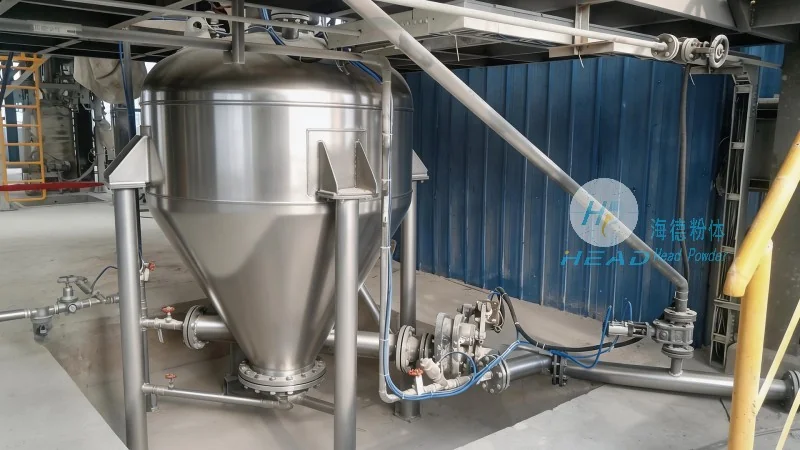
3. Drive System
The drive system provides the power to move the conveyor belt. It consists of a motor, gearbox, and pulleys. The motor is usually an electric motor, and the gearbox is used to increase the torque and reduce the speed. Variable frequency drives (VFDs) are often used to control the speed of the conveyor, allowing for precise control of the material flow rate.
4. Pulleys
Pulleys are used to change the direction of the conveyor belt and to provide tension. The pulleys are made of steel and are coated with a non-stick surface to prevent material buildup and reduce friction. The head pulley and tail pulley are the main pulleys in the system, with the head pulley being driven by the motor and the tail pulley providing tension.
5. Supporting Structures
The supporting structures, such as the frame and hangers, provide stability and support to the conveyor system. They are designed to withstand the weight of the materials and the tension of the belt. The structures are typically made of steel and are coated with a protective finish to prevent corrosion.
Applications and Benefits
Cement raw material powder conveyors are widely used in the cement industry due to their efficiency and reliability. They are used to transport raw materials from storage silos to the cement kiln or other processing units. The benefits of using a cement raw material powder conveyor include improved production efficiency, reduced labor costs, and enhanced safety. The system also helps to minimize material loss and dust emissions, contributing to a cleaner and more sustainable cement production process.
Conclusion
In conclusion, a cement raw material powder conveyor is a critical piece of equipment in the cement manufacturing process. Its design is based on several key principles, including material handling capacity, wear resistance, dust control, system integration, and energy efficiency. The system's components are carefully selected and designed to ensure optimal performance and reliability. By understanding the design principles and components of a cement raw material powder conveyor, professionals in the cement industry can make informed decisions to improve their production processes and enhance overall efficiency.