

Desulfurization Fly Ash Powder Conveying System Equipment: Understanding the Equipment and Its Desig
Desulfurization processes in power plants and industrial facilities generate large volumes of fly ash, a fine powder that requires efficient and reliable handling for disposal or reuse. The desulfurization fly ash powder conveying system is a specialized equipment setup designed to transport this material safely and effectively. This article explores the components, operational principles, and design considerations of such systems, highlighting the importance of robust engineering in managing these powders.
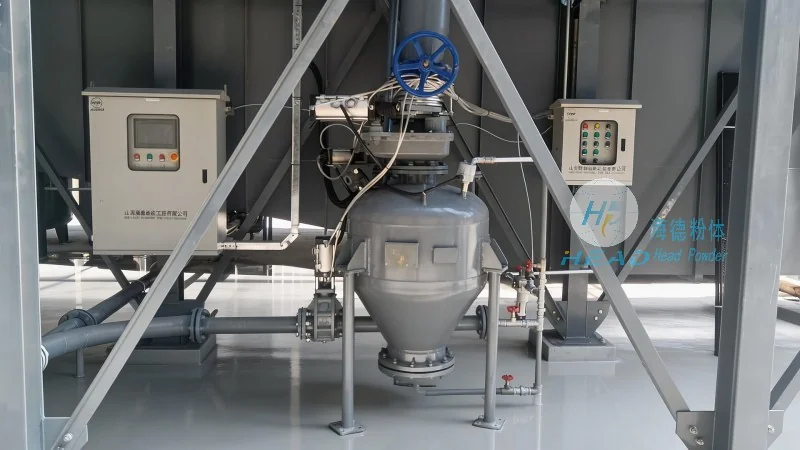
Key Components of the Conveying System
The desulfurization fly ash powder conveying system typically consists of several critical components that work in tandem to ensure smooth material transport. These include hoppers or feeders for material intake, conveyor belts or pneumatic pipelines for transportation, and control systems for regulating flow and pressure. Each component is engineered to handle the unique properties of fly ash, such as its fine particle size, moisture content, and potential for dust generation. The system may also incorporate dust suppression mechanisms and material conditioning equipment to prevent blockages and ensure consistent performance.
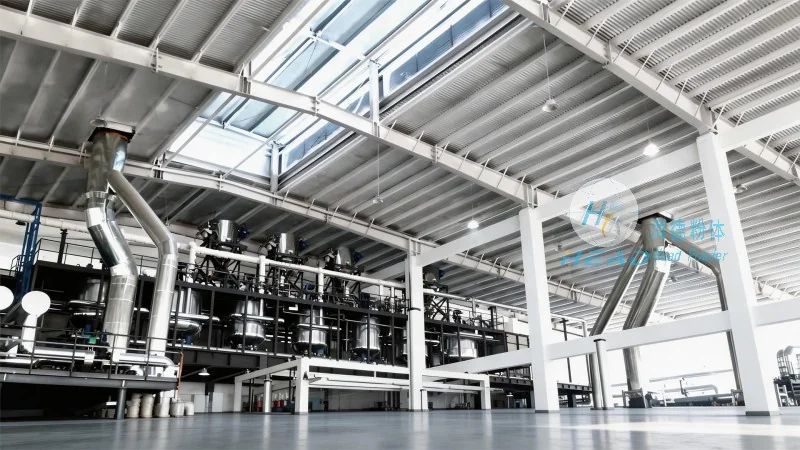
Design Principles and Operational Efficiency
The design of a desulfurization fly ash powder conveying system is guided by several key principles aimed at maximizing efficiency and minimizing operational risks. One of the primary considerations is the selection of appropriate conveyor technology—whether mechanical (e.g., screw conveyors, belt conveyors) or pneumatic (e.g., air slides, pneumatic ducts)—based on the specific characteristics of the fly ash and the distance it needs to be transported. The system must also account for the material's flowability, which can be influenced by moisture levels and particle size distribution. Engineers often employ materials of construction that are resistant to corrosion and abrasion, such as stainless steel or special alloys, to ensure long-term durability. Additionally, the design incorporates safety features like pressure relief valves and emergency shut-off mechanisms to prevent accidents and protect personnel.
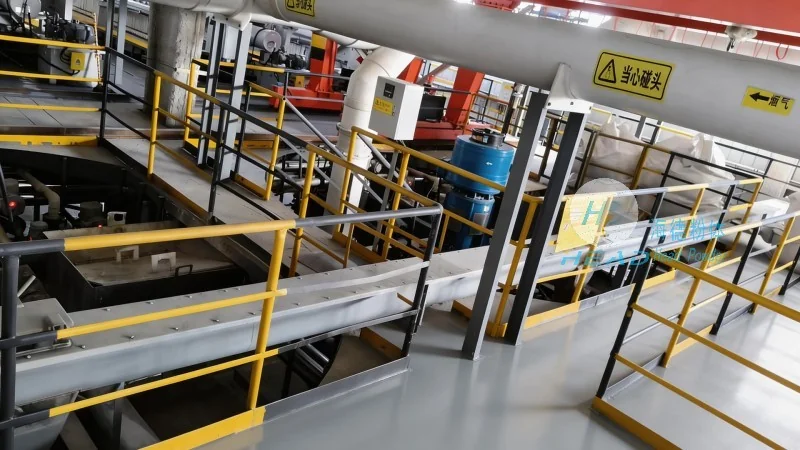
HeadPowder's Expertise in Conveying Solutions
Shandong HeadPowder Engineering Co., Ltd., operating under the brand name HeadPowder, is a leading provider of specialized powder handling equipment, including desulfurization fly ash conveying systems. With years of experience in the engineering and manufacturing of industrial conveying solutions, HeadPowder combines advanced technology with practical application expertise to deliver systems that meet the stringent requirements of power plants and industrial facilities. The company, headquartered in Shandong, China, works closely with clients to understand their specific needs, from material characteristics to operational constraints, and develops customized solutions that optimize performance and reliability. HeadPowder's commitment to quality and innovation ensures that their conveying systems are built to withstand the harsh conditions of fly ash handling while maintaining high efficiency and low maintenance costs.
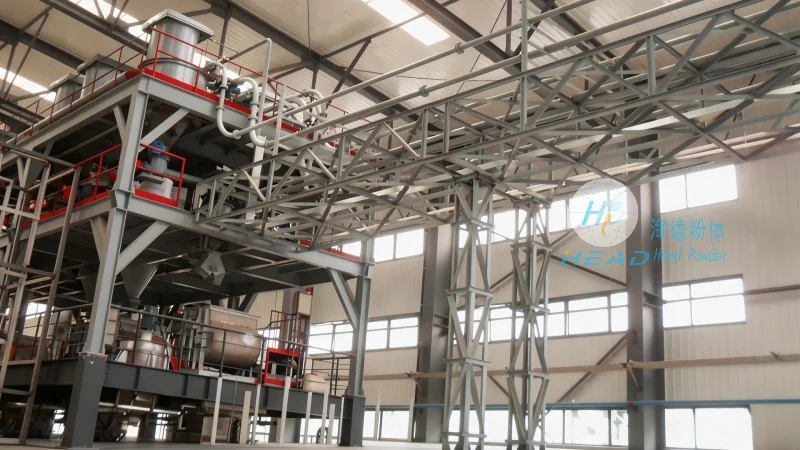
Conclusion: The Importance of Reliable Conveying Systems
In conclusion, the desulfurization fly ash powder conveying system is a critical component of modern industrial operations, enabling the safe and efficient transport of a material that is both environmentally significant and economically valuable. The design and implementation of such systems require careful consideration of material properties, operational requirements, and safety standards. Companies like Shandong HeadPowder Engineering Co., Ltd. play a vital role in providing the expertise and equipment needed to address these challenges, ensuring that facilities can manage their fly ash effectively while adhering to environmental regulations. As the demand for sustainable practices in industrial operations grows, the importance of reliable conveying systems will only increase, making them an essential investment for any facility handling desulfurization byproducts.