

What is a Foundry Sand Powder Conveying System Equipment? What are its Design Principles?
For manufacturers in the foundry industry, efficient handling of foundry sand is crucial for maintaining production efficiency and ensuring product quality. Foundry sand powder conveying systems are specialized equipment designed to transport sand in a controlled manner, often under high pressure or vacuum conditions. These systems are integral to the overall sand recycling and reclamation processes, which are essential for reducing material waste and operational costs. Understanding the components and design principles of such systems is vital for optimizing foundry operations.
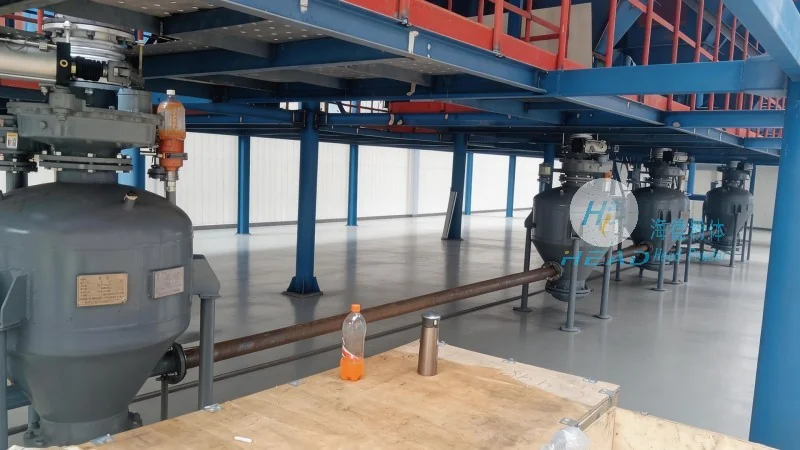
About HeadPowder: A Leader in Foundry Sand Handling Solutions
HeadPowder, a prominent name in the field, specializes in providing advanced foundry sand powder conveying systems. With a strong presence in Shandong, China, HeadPowder Engineering Co., Ltd. has established itself as a reliable partner for foundry operators seeking efficient and reliable sand handling solutions. The company’s expertise lies in designing systems that meet the specific needs of various foundry applications, ensuring durability, performance, and long-term operational efficiency.
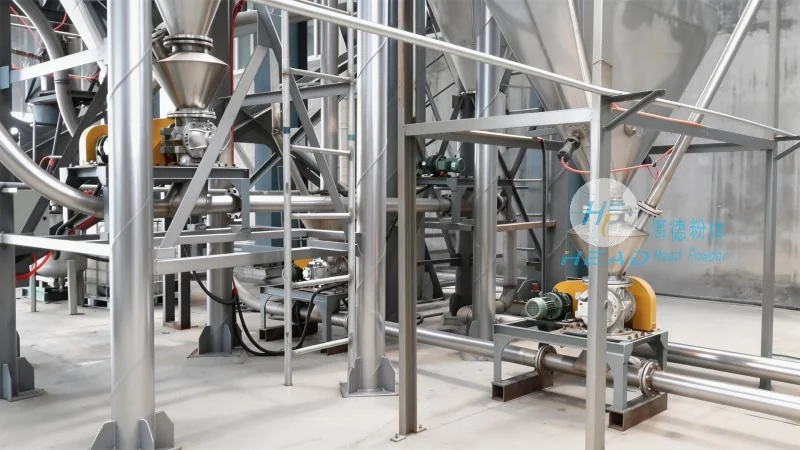
Key Components of a Foundry Sand Powder Conveying System
A typical foundry sand powder conveying system consists of several key components that work in tandem to achieve effective sand transport. These components include: a feeding mechanism to introduce sand into the system, a conveying medium (such as air or vacuum) to move the sand, a pipeline network to transport the sand from one location to another, and a control system to regulate the flow and pressure. Each component plays a critical role in ensuring the system operates smoothly and efficiently. The feeding mechanism, often a hopper or a rotary valve, ensures a consistent and controlled flow of sand into the system, preventing blockages and maintaining system stability. The conveying medium, which can be air or a vacuum, provides the necessary force to move the sand through the pipeline. The pipeline network, typically made of durable materials like stainless steel or plastic, is designed to withstand the abrasive nature of foundry sand and the pressures involved in the conveying process. The control system, equipped with sensors and valves, monitors and adjusts the flow rate, pressure, and other parameters to maintain optimal performance and prevent system failures.
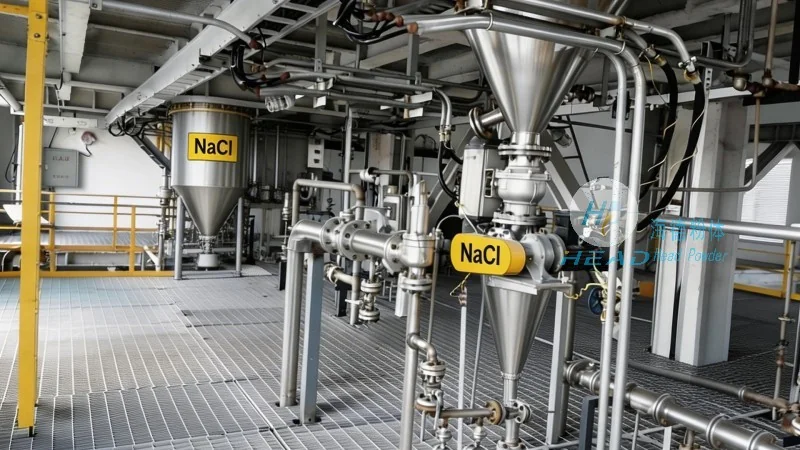
Design Principles for Foundry Sand Powder Conveying Systems
The design of a foundry sand powder conveying system is based on several key principles that ensure its effectiveness and reliability. These principles include: material compatibility, which ensures that all components are resistant to the abrasive and corrosive properties of foundry sand; system efficiency, which aims to minimize energy consumption and maximize throughput; and safety considerations, which include features like explosion-proof designs and pressure relief mechanisms to protect operators and equipment. Material compatibility is a critical factor, as foundry sand can be highly abrasive and may contain moisture or other contaminants that can damage conventional materials. Therefore, components such as hoppers, pipelines, and valves are often made from stainless steel, high-grade alloys, or specialized plastics that can withstand these conditions. System efficiency is achieved through the use of optimized pipeline designs, appropriate conveying velocities, and efficient control systems. This ensures that the system operates at the lowest possible energy consumption while maintaining the required throughput. Safety considerations are paramount in foundry operations, and conveying systems are designed with features like explosion-proof motors, pressure relief valves, and emergency shut-off mechanisms to prevent accidents and protect personnel. Additionally, the system may include dust collection and filtration components to ensure compliance with environmental regulations and maintain a safe working environment.
Application of Foundry Sand Powder Conveying Systems
Foundry sand powder conveying systems are widely used in various foundry processes, including sand reclamation, sand recycling, and sand transport between different stages of the casting process. In sand reclamation, the system is used to transport sand from the casting area to the reclamation equipment, where it is cleaned and prepared for reuse. In sand recycling, the system is used to transport sand from the reclamation equipment back to the molding area, reducing the need for new sand and lowering material costs. The system can also be used to transport sand between different production lines or to different storage locations, ensuring that the sand is available where it is needed. The versatility of these systems makes them suitable for a wide range of foundry applications, from small-scale operations to large industrial foundries. The ability to handle large volumes of sand efficiently and reliably makes them an essential part of modern foundry operations.
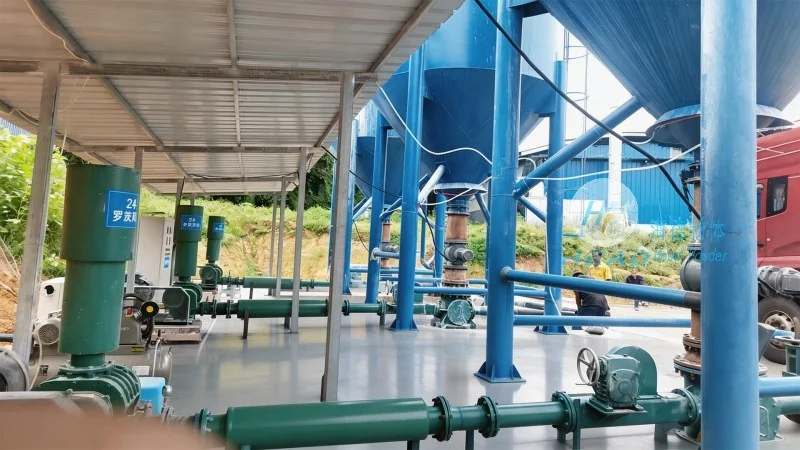
Benefits of Using a Foundry Sand Powder Conveying System
Implementing a foundry sand powder conveying system offers several benefits to foundry operators. These benefits include: improved operational efficiency, reduced material waste, lower energy consumption, and enhanced safety. By automating the sand handling process, the system reduces the need for manual labor, which can be time-consuming and hazardous. This leads to increased productivity and reduced labor costs. The system also helps to reduce material waste by ensuring that sand is recycled and reused, rather than being discarded as waste. This not only lowers material costs but also reduces the environmental impact of the foundry operation. Lower energy consumption is achieved through the use of efficient conveying mechanisms and control systems, which minimize energy losses and reduce operating costs. Enhanced safety is provided by the system’s design features, such as explosion-proof components and pressure relief mechanisms, which protect operators and equipment from potential hazards. Additionally, the system’s ability to handle sand in a controlled manner reduces the risk of dust explosions and other safety incidents.