

What is a corn flour powder conveying system equipment? What are its design principles?
For businesses in the food processing industry, especially those dealing with corn flour, having an efficient and reliable powder conveying system is crucial. A corn flour powder conveying system equipment is designed to handle the transportation of corn flour from one point to another within a production facility. This system ensures that the corn flour is moved safely, efficiently, and without degradation, which is vital for maintaining product quality and operational efficiency. The system typically includes components such as hoppers, conveyors, and control systems, all working in tandem to achieve seamless powder transfer.
Key Components of Corn Flour Powder Conveying Systems
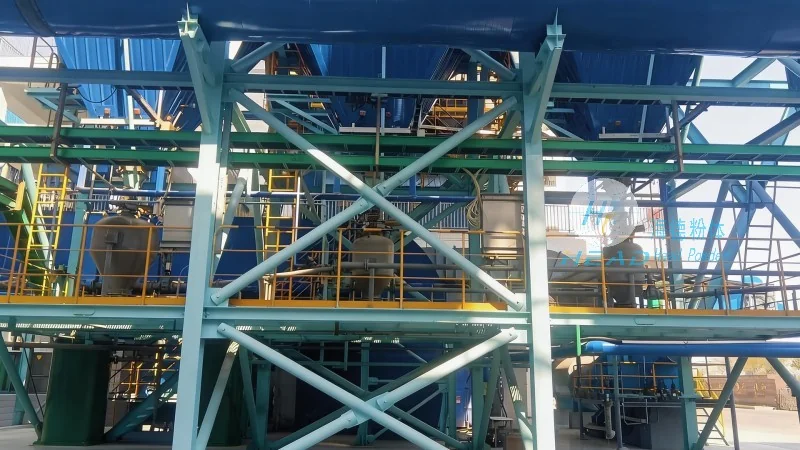
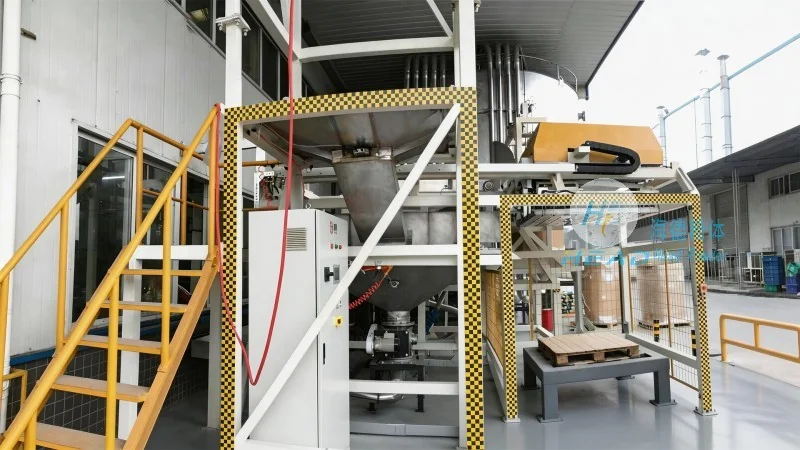
The effectiveness of a corn flour powder conveying system equipment relies on its key components. The hopper is the initial storage and feeding unit, where corn flour is loaded and then transferred to the conveyor. This component must be designed to prevent caking and ensure consistent flow. The conveyor itself can vary in type, such as pneumatic or mechanical, depending on the specific needs of the operation. Pneumatic conveyors use air pressure to move the powder, while mechanical conveyors rely on belts or screws. The control system manages the entire process, ensuring that the flow rate, pressure, and other parameters are optimized for the best performance. These components work together to create a system that is both efficient and reliable.
Design Principles Behind Corn Flour Powder Conveying Systems
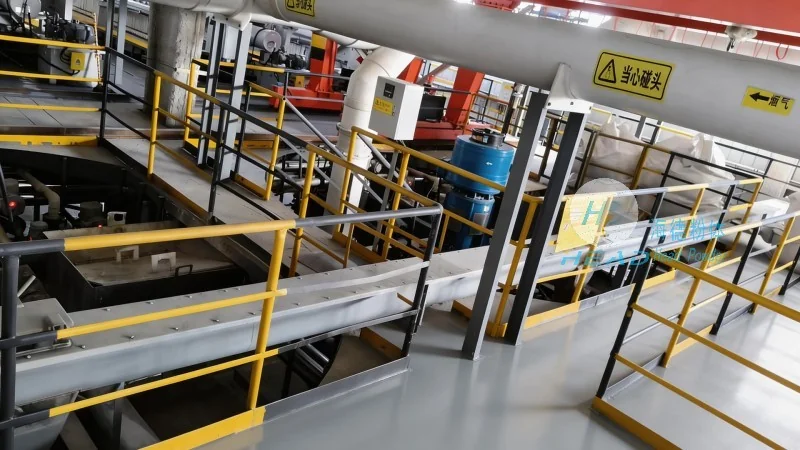
The design principles of a corn flour powder conveying system equipment are centered on several critical factors. First, the system must be designed to handle the specific properties of corn flour, such as its moisture content, particle size, and flowability. Corn flour can be delicate and prone to clumping, so the system must minimize friction and prevent material buildup. Second, the design focuses on energy efficiency and operational cost. By optimizing the conveyor speed and pressure, the system reduces energy consumption while maintaining high throughput. Third, safety is a paramount consideration. The system must comply with industry standards to prevent dust explosions and ensure the safety of operators. Additionally, the design considers ease of maintenance and cleaning, as these systems are often used in food processing environments where hygiene is essential.
Benefits of Using a Corn Flour Powder Conveying System
Implementing a corn flour powder conveying system equipment offers numerous benefits for food processing facilities. One of the primary advantages is improved operational efficiency. By automating the powder transfer process, the system reduces labor costs and minimizes the risk of human error. This leads to a more consistent and reliable production flow. Another benefit is the preservation of product quality. The system’s design minimizes exposure to air and moisture, which can cause the corn flour to degrade or lose its nutritional value. This is particularly important for food products that require high-quality ingredients. Furthermore, the system enhances safety in the workplace by reducing the need for manual handling of powders, which can be hazardous. The automated nature of the system also allows for better control over the conveying process, ensuring that the powder is moved at the optimal rate for each stage of production.
Application in Food Processing
Corn flour powder conveying systems are widely used in various food processing applications. In the production of baked goods, such as tortillas or cornbread, the system efficiently transfers corn flour from storage to mixing and baking equipment. This ensures that the flour is evenly distributed and that the final product has consistent texture and flavor. In the manufacturing of corn-based snacks, the system is used to move the flour to coating or extrusion machines. The consistent flow of powder helps maintain the quality of the snacks, ensuring that each batch meets the desired specifications. Additionally, the system is used in the production of corn syrup and other corn-based products, where the precise handling of corn flour is essential for achieving the right consistency and flavor profile.
Conclusion
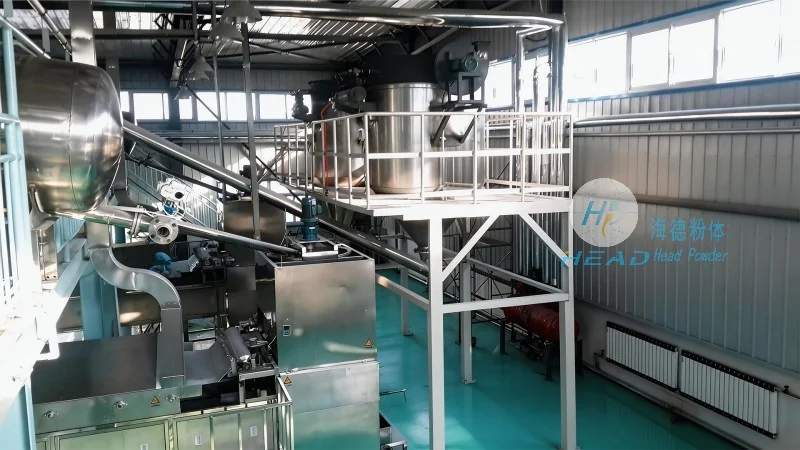
In conclusion, a corn flour powder conveying system equipment is a vital component of modern food processing operations. Its design principles focus on efficiency, safety, and product quality, making it an essential investment for businesses dealing with corn flour. By understanding the key components and design principles, companies can select and implement a system that meets their specific needs, leading to improved productivity and better product outcomes. As the food industry continues to evolve, the importance of reliable powder conveying systems will only grow, making them a critical part of any successful food processing facility.