

What is a Compound Fertilizer Powder Conveying System Equipment? What is Its Design Principle?
Compound fertilizer powder conveying systems are essential in modern agricultural and industrial applications, designed to efficiently transport bulk powder materials such as fertilizers. These systems play a critical role in ensuring the smooth operation of production lines, particularly in facilities that handle large volumes of powdered compounds. Understanding the equipment and its underlying design principles is crucial for optimizing performance, enhancing safety, and maintaining operational efficiency.
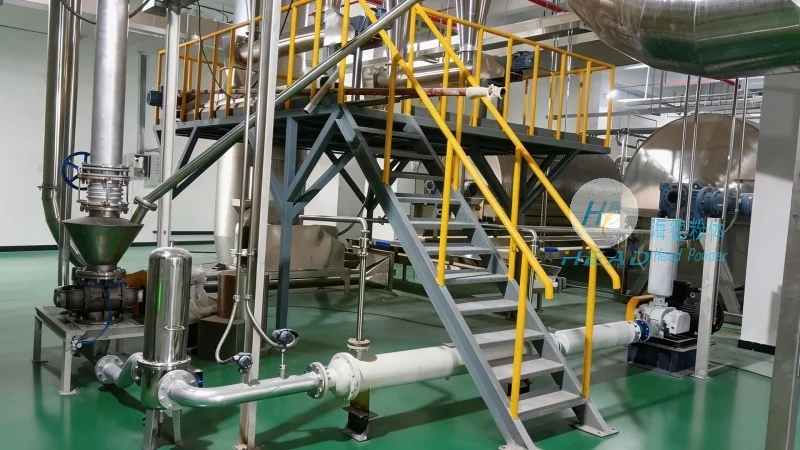
Understanding the Compound Fertilizer Powder Conveying System
A compound fertilizer powder conveying system is a specialized piece of machinery engineered to move granular or powdered fertilizers from one location to another within a processing facility. The system typically includes components like hoppers, feeders, conveying mechanisms (e.g., pneumatic or mechanical), and control systems. These components work in tandem to ensure that the fertilizer is transported in a controlled manner, minimizing dust generation and preventing material loss. The primary goal of such a system is to provide a reliable, efficient, and safe method for handling bulk fertilizer, which is often a dusty and potentially hazardous material.
Key Components of the Conveying System
The compound fertilizer powder conveying system consists of several key components, each serving a specific function in the overall operation. The first component is the hopper, which serves as a storage container for the fertilizer. It is designed to hold a large volume of material and is often equipped with a discharge valve to regulate the flow of powder into the conveying system. The hopper is typically made of durable materials like stainless steel or high-density polyethylene to withstand the corrosive nature of fertilizers and prevent contamination.
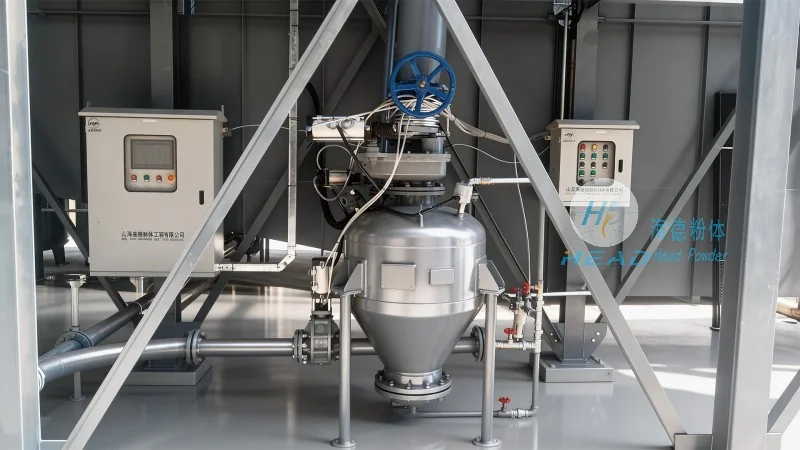
Next, the feeder is an integral part of the system. The feeder's role is to control the rate at which the fertilizer is released from the hopper into the conveying mechanism. This component is crucial for maintaining a consistent flow rate, which is essential for preventing clogging and ensuring smooth operation. There are various types of feeders, including rotary, vibratory, and screw feeders, each with its own advantages depending on the specific characteristics of the fertilizer being handled.
The conveying mechanism is the core of the system, responsible for transporting the fertilizer from the feeder to the discharge point. Common types of conveying mechanisms include pneumatic systems (using air pressure to move the powder) and mechanical systems (such as belt conveyors or screw conveyors). Pneumatic systems are particularly popular for fertilizer applications due to their ability to handle fine powders and minimize dust exposure. These systems use compressed air to create a flow of air that carries the powder through a pipeline, ensuring efficient and safe transport.
Design Principles of the Compound Fertilizer Powder Conveying System
The design of a compound fertilizer powder conveying system is based on several key principles aimed at optimizing performance, safety, and efficiency. One of the primary principles is the minimization of dust generation. This is achieved through the use of enclosed systems and proper sealing of components to prevent the escape of fine particles. Dust control is not only important for worker safety but also for maintaining the quality of the fertilizer and preventing environmental contamination.
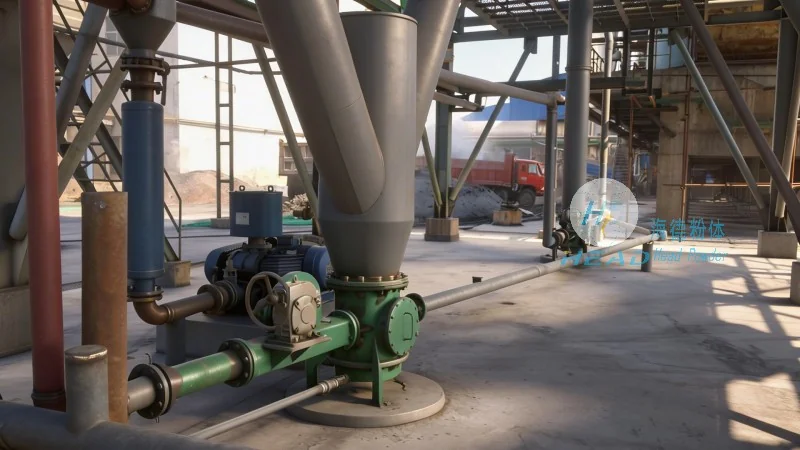
Another critical design principle is the prevention of material buildup and clogging. This is addressed by incorporating features such as anti-static coatings on equipment, which help to prevent the accumulation of static electricity that can attract and hold powder particles. Additionally, the system is designed with smooth surfaces and rounded corners to minimize the risk of material sticking or accumulating in hard-to-reach areas. Regular maintenance and cleaning protocols are also essential to ensure the system operates without issues.
Efficiency is a key consideration in the design of the conveying system. This includes optimizing the flow rate and pressure to minimize energy consumption while maintaining the required transport speed. The system is also designed to be scalable, allowing it to be adjusted to handle different volumes of fertilizer as production needs change. This flexibility ensures that the system can adapt to varying production demands without requiring significant modifications.
About Shandong HeadPowder Engineering Co., Ltd.
Shandong HeadPowder Engineering Co., Ltd., commonly known as headpowder, is a leading manufacturer and supplier of specialized equipment for the fertilizer and powder handling industries. With a strong focus on innovation and quality, the company has established itself as a trusted partner for businesses seeking reliable and efficient solutions for their bulk material handling needs. HeadPowder's expertise lies in the design, manufacturing, and installation of compound fertilizer powder conveying systems and other related equipment, tailored to meet the specific requirements of each client.
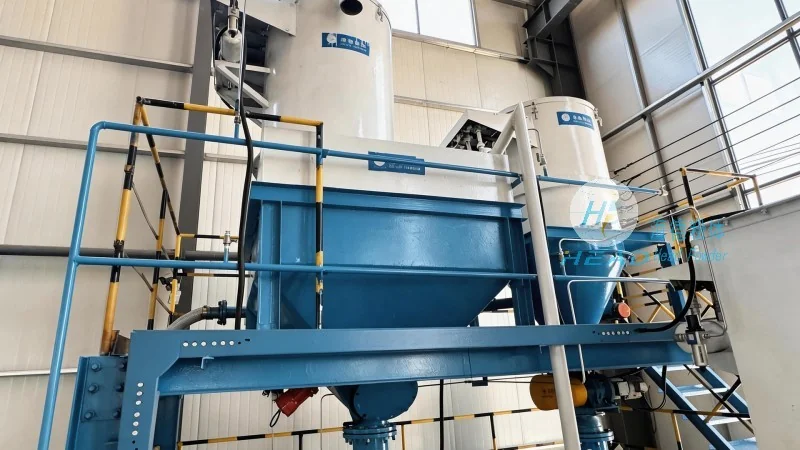
HeadPowder is committed to providing high-quality products that meet international standards and comply with industry regulations. The company's facilities are equipped with advanced technology and skilled personnel, ensuring that every product is manufactured to the highest specifications. HeadPowder's team of engineers and technicians work closely with clients to understand their unique challenges and develop customized solutions that enhance operational efficiency and safety.
HeadPowder's headquarters is located in Shandong, China, where the company has established a strong presence in the industry. The company's commitment to excellence and customer satisfaction has earned it a reputation as a reliable and professional partner in the fertilizer and powder handling sector. By leveraging its expertise and experience, HeadPowder continues to deliver cutting-edge solutions that help clients optimize their production processes and achieve their business goals.