

What is a Desulfurization and Dust Removal Fly Ash Powder Conveying System? What are its Design Prin
HeadPowder, a leading provider in the field of industrial powder handling solutions, specializes in the design and manufacturing of advanced systems for transporting fly ash from desulfurization and dust removal processes. This article aims to provide a comprehensive understanding of what these systems are and the underlying design principles that ensure their efficient operation.
Understanding the Desulfurization and Dust Removal Fly Ash Powder Conveying System
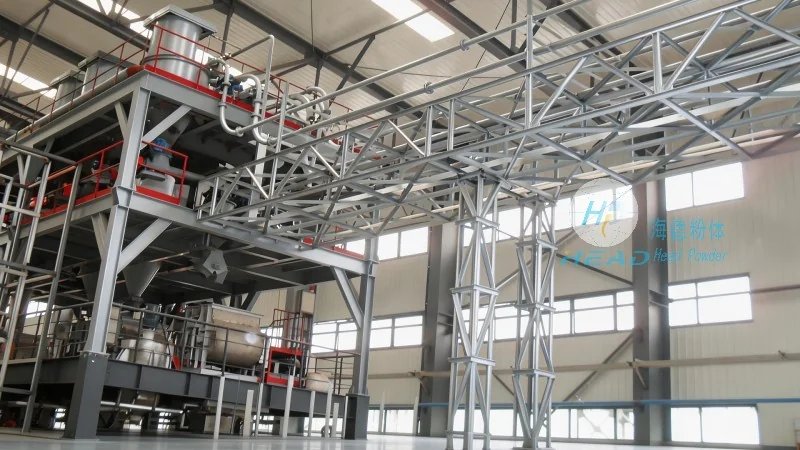
The desulfurization and dust removal fly ash powder conveying system is a critical component in power plants and other industrial facilities that utilize coal as a fuel source. The system is responsible for the safe and efficient transportation of fly ash, a byproduct of the flue gas desulfurization (FGD) process, from the collection point to the disposal or utilization site. This process is essential for maintaining environmental compliance and optimizing the overall operation of the facility.
Key Components and Functions of the Conveying System
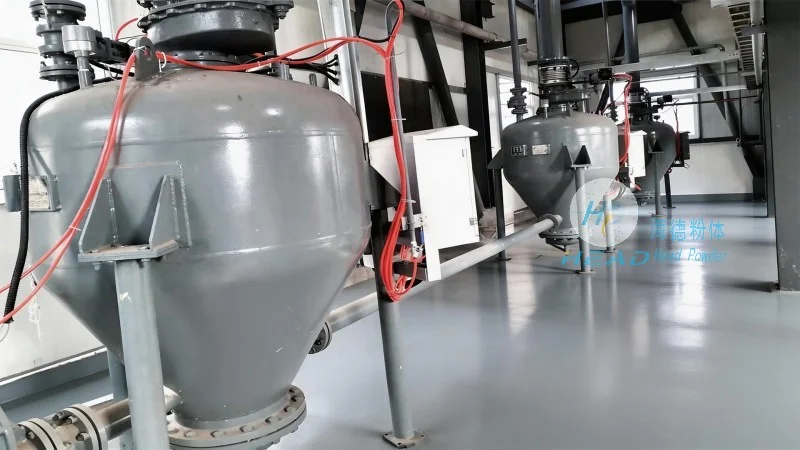
The system typically consists of several key components, each playing a vital role in the overall operation. These components include ash hoppers, feeders, conveyors (such as pneumatic or mechanical systems), and control systems. The ash hopper serves as the collection point, where fly ash is deposited from the FGD system. The feeder then regulates the flow of ash into the conveyor, ensuring a consistent and controlled discharge. The conveyor itself transports the ash to the desired location, which may be a landfill, a recycling facility, or a storage silo. Control systems monitor and adjust the operation of the feeders and conveyors to maintain optimal performance and prevent blockages or other issues.
Design Principles for Efficient and Reliable Operation
The design of a desulfurization and dust removal fly ash powder conveying system is based on several key principles to ensure efficiency, reliability, and safety. One of the primary principles is the use of appropriate materials to withstand the corrosive and abrasive nature of fly ash. Components such as hoppers, feeders, and conveyors are often constructed from high-quality steel or other corrosion-resistant materials to extend their service life and minimize maintenance requirements. Another important principle is the selection of the right type of conveyor system based on the specific characteristics of the fly ash, including its particle size, moisture content, and flowability. For example, pneumatic conveying systems are commonly used for fine, dry fly ash, while mechanical systems like screw conveyors or belt conveyors are suitable for coarser or wetter materials.
Ensuring Safety and Environmental Compliance
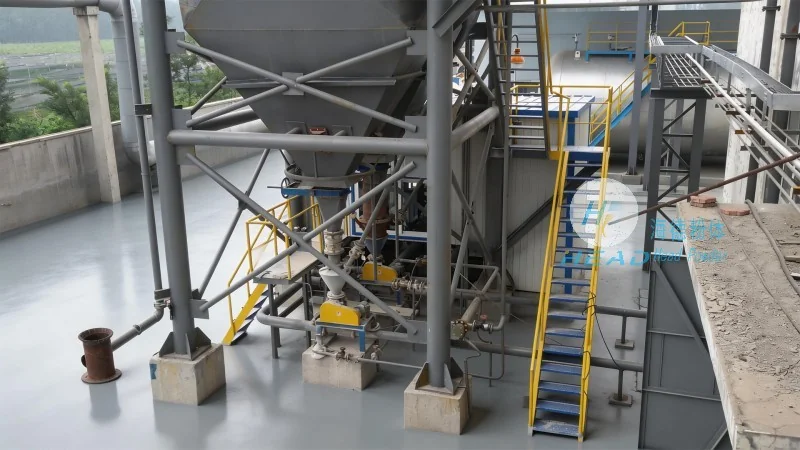
Due to the hazardous nature of fly ash, which may contain heavy metals and other pollutants, the design of the conveying system must prioritize safety and environmental protection. This includes implementing dust suppression measures, such as water sprays or baghouse filters, to prevent the release of airborne particles. Additionally, the system must be equipped with proper ventilation and explosion-proof features to mitigate the risk of dust explosions. Regular maintenance and monitoring are also essential to ensure that the system operates within safe parameters and complies with local and national regulations regarding waste disposal and emissions.
Applications and Benefits of the System
The desulfurization and dust removal fly ash powder conveying system is widely used in power plants, industrial boilers, and other facilities that generate fly ash as a byproduct. The primary benefits of implementing such a system include improved environmental performance, reduced operational costs, and enhanced safety. By efficiently transporting fly ash, facilities can minimize the risk of dust contamination and ensure that the waste is handled in an environmentally responsible manner. Additionally, the system can help to reduce the need for manual handling of fly ash, which can be hazardous to workers and lead to increased labor costs.
Conclusion
In conclusion, the desulfurization and dust removal fly ash powder conveying system is a critical piece of equipment for industrial facilities that generate fly ash. The design of the system is based on principles that prioritize efficiency, reliability, and safety, ensuring that the fly ash is transported in a manner that is both environmentally responsible and cost-effective. With the expertise of companies like Shandong HeadPowder Engineering Co., Ltd., these systems can be tailored to meet the specific needs of any facility, providing a reliable solution for managing fly ash and complying with environmental regulations.