

What is a Chlorinated Polyethylene Powder Conveying System Equipment? And What Are Its Design Princi
In industrial settings, the efficient and reliable transportation of powders is crucial for maintaining production efficiency and product quality. Among the various materials handled, chlorinated polyethylene (CPE) powder stands out due to its unique properties, such as excellent impact resistance and good heat resistance. To meet the demands of modern manufacturing, specialized equipment has been developed to handle CPE powder safely and effectively. This article explores the concept of a chlorinated polyethylene powder conveying system equipment, its core design principles, and the key factors that contribute to its performance.
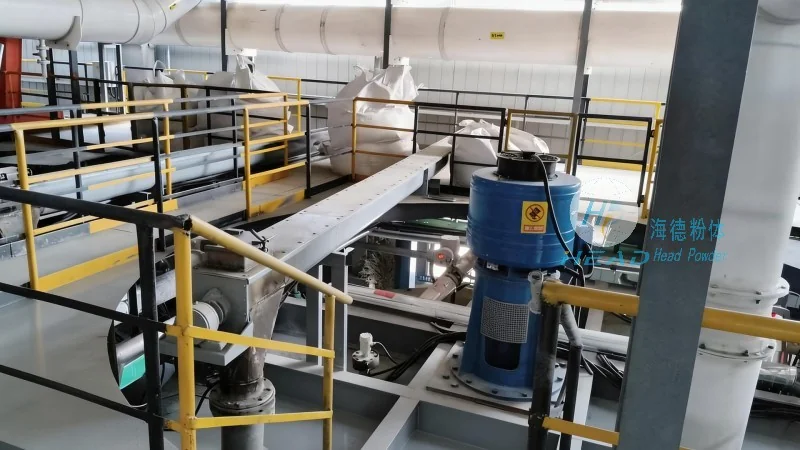
What Is a Chlorinated Polyethylene Powder Conveying System Equipment?
A chlorinated polyethylene powder conveying system equipment is a specialized setup designed to transport CPE powder from one location to another within an industrial facility. This system typically consists of several interconnected components, including hoppers, feeders, conveying pipes, and control units. The primary goal of such equipment is to ensure the smooth and continuous movement of CPE powder, minimizing the risk of material degradation, blockages, or spillage. The system is engineered to handle the specific characteristics of CPE powder, which may include its density, flowability, and potential tendency to agglomerate.
Key Components and Their Functions
Several critical components make up a chlorinated polyethylene powder conveying system. Each part plays a vital role in the overall operation. The first component is the hopper, which serves as the storage container for the CPE powder. It is designed with a specific shape and size to optimize powder flow and prevent material bridging or caking. The hopper is usually equipped with a discharge valve that controls the release of powder into the system.
Next, the feeder is responsible for regulating the flow rate of the CPE powder from the hopper into the conveying line. There are different types of feeders, such as rotary valves or vibratory feeders, each suited to different powder characteristics. The feeder ensures a consistent and controlled feed, which is essential for maintaining the efficiency of the conveying process. Without proper control, the flow of powder could be uneven, leading to system inefficiencies or equipment damage.
The conveying pipes are the backbone of the system, transporting the CPE powder from the feeder to the destination point. These pipes are typically made of materials that are resistant to the chemical properties of CPE powder and are often lined with protective coatings to prevent wear and corrosion. The design of the pipes, including their diameter and length, is carefully calculated to minimize pressure drop and energy consumption. The use of appropriate pipe materials and design is crucial for ensuring the longevity and reliability of the system.
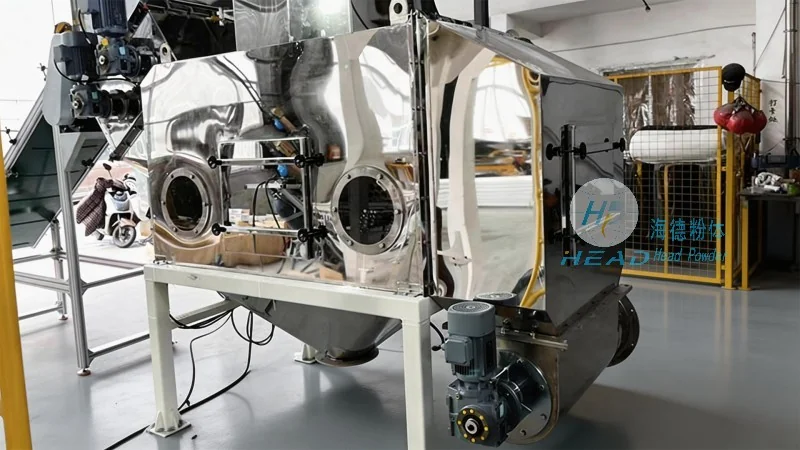
Control units are another essential part of the system. These units monitor and regulate the operation of the conveying equipment, ensuring that all components work in harmony. They may include sensors to detect powder levels, pressure, and flow rates, as well as control valves to adjust the speed of the conveyor and the feed rate. The control units provide real-time feedback, allowing operators to make adjustments as needed to maintain optimal performance.
Design Principles for Efficient Powder Conveying
The design of a chlorinated polyethylene powder conveying system equipment follows several key principles to ensure efficient and reliable operation. The first principle is the minimization of pressure drop. Pressure drop occurs as powder moves through the conveying pipes, and excessive pressure drop can lead to reduced flow rates and increased energy consumption. To address this, engineers design the system with the appropriate pipe diameter and length, and they may use special fittings or elbows that reduce friction and turbulence.
Another important principle is the prevention of material degradation. CPE powder is sensitive to heat and moisture, and prolonged exposure can cause it to degrade, affecting its performance. The conveying system is designed to minimize the time the powder spends in the system and to keep it at a controlled temperature. The use of insulated pipes and proper ventilation helps maintain the powder's quality throughout the conveying process.
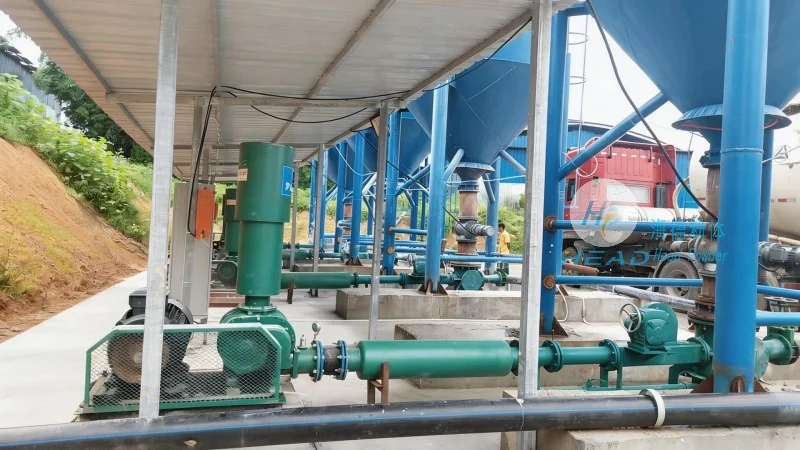
The principle of material handling efficiency is also critical. The system is engineered to handle the specific flow characteristics of CPE powder, which may vary depending on factors such as moisture content and particle size. By understanding these characteristics, engineers can design the system to achieve the optimal flow rate and minimize the risk of blockages or agglomeration. The use of appropriate feeding mechanisms and pipe designs helps ensure that the powder moves smoothly and continuously.
Application Scenarios and Industry Relevance
Chlorinated polyethylene powder conveying systems are widely used in various industries that handle CPE powder. One of the primary applications is in the manufacturing of plastic products, where CPE is used as an impact modifier in polyvinyl chloride (PVC) compounds. The system ensures that the CPE powder is delivered to the mixing and extrusion equipment in a controlled manner, maintaining the quality of the final product.
Another application is in the production of coatings and adhesives, where CPE powder is used as a filler or modifier. The conveying system allows for the precise and consistent addition of CPE powder to the formulation, ensuring uniform properties in the final coating or adhesive. Additionally, the system is used in the production of automotive parts and construction materials, where CPE's properties are leveraged to enhance durability and performance.
The relevance of these systems extends beyond the manufacturing sector. They are also used in research and development laboratories to handle CPE powder for testing and analysis. The ability to transport the powder in a controlled and hygienic manner is essential for accurate results and safety in these settings.