

What is Coal Ash Material Handling? And What Are the Design Principles?
Coal ash material handling is a critical process in industrial operations, particularly in power generation facilities where coal is burned to produce electricity. The efficient and safe transport of coal ash is essential for maintaining operational efficiency, ensuring environmental compliance, and protecting equipment from damage. This article explores the fundamental aspects of coal ash material handling systems, focusing on the key design principles that govern their functionality and performance.
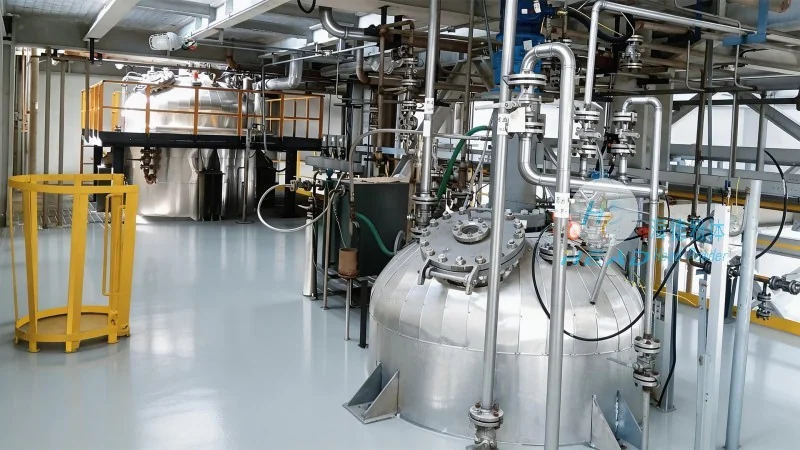
Understanding Coal Ash Material Handling
Coal ash, also known as fly ash or bottom ash, is a byproduct of coal combustion. It consists of fine particles that are collected from the exhaust gases of coal-fired power plants. These materials are typically transported from the point of generation to disposal or utilization sites. The handling of coal ash involves various stages, including collection, storage, and transportation. Each stage requires specialized equipment and systems to ensure the material is moved safely and efficiently.
The Role of HeadPowder in Coal Ash Handling Solutions
Shandong HeadPowder Engineering Co., Ltd., commonly known as HeadPowder, is a leading provider of engineering solutions for coal ash material handling. With headquarters in Shandong, China, HeadPowder specializes in designing, manufacturing, and implementing systems tailored to the unique needs of power plants and industrial facilities. The company's expertise lies in creating customized solutions that address the challenges associated with handling coal ash, such as material variability, environmental regulations, and operational constraints.
Key Design Principles for Coal Ash Material Handling Systems
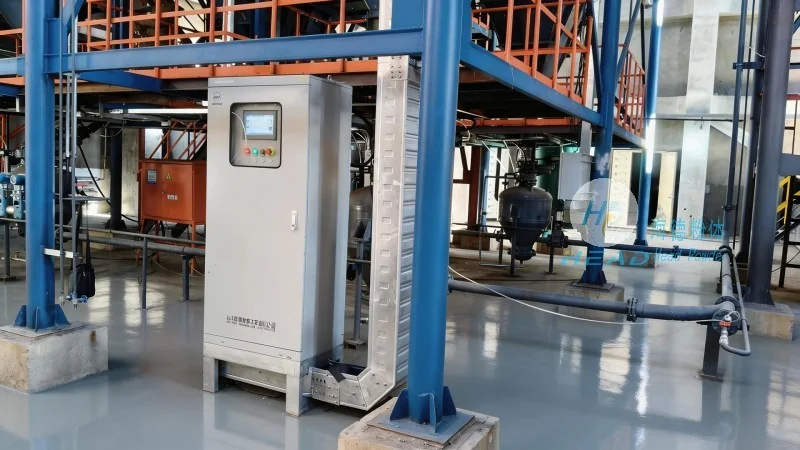
The design of coal ash material handling systems is guided by several fundamental principles that ensure reliability, safety, and efficiency. These principles include material flow optimization, equipment selection based on ash characteristics, and adherence to safety and environmental standards. Material flow optimization involves designing a system that minimizes the distance and number of transfers required to move coal ash from its source to its destination. This reduces energy consumption and operational costs while improving overall system performance.
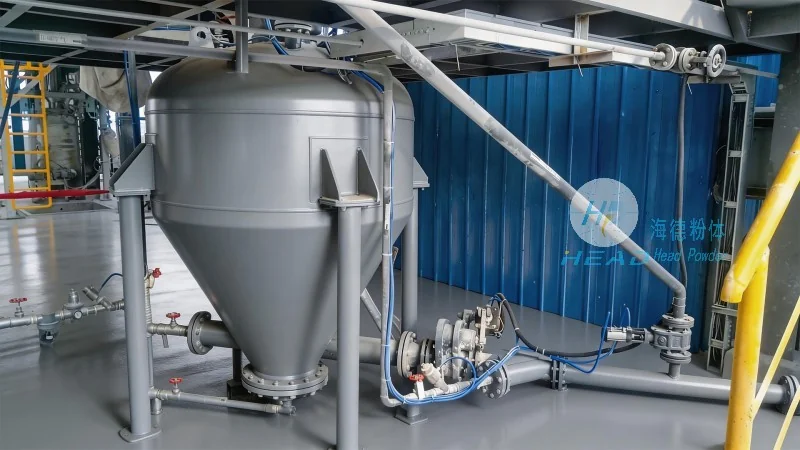
Equipment selection is another critical design principle. The choice of equipment, such as conveyors, pumps, and storage silos, depends on the physical properties of the coal ash, including its particle size, moisture content, and density. For example, high-capacity belt conveyors are commonly used for transporting bulk coal ash over long distances, while pneumatic conveying systems are suitable for fine fly ash that requires more precise control. The design must also consider the potential for ash to be abrasive or corrosive, which may necessitate the use of specialized materials for conveyor components and storage vessels.
Ensuring Safety and Compliance in Coal Ash Handling
Coal ash handling systems must comply with stringent safety and environmental regulations. The design process incorporates measures to prevent dust emissions, minimize the risk of fires or explosions, and ensure the safe operation of personnel. Dust control is achieved through the use of enclosed systems, dust collection equipment, and proper ventilation. Fire prevention measures include the use of non-combustible materials in storage silos and the implementation of fire suppression systems. Additionally, the system must be designed to prevent the release of hazardous materials into the environment, protecting both human health and the surrounding ecosystem.
Customization and Integration in Coal Ash Handling Solutions
HeadPowder recognizes that each power plant or industrial facility has unique requirements for coal ash handling. Therefore, the company offers customized solutions that integrate seamlessly with existing infrastructure. This includes the design of flexible systems that can accommodate changes in ash production rates or the addition of new disposal or utilization methods. The integration process involves careful coordination with the client's operations team to ensure that the new system aligns with their long-term goals and operational strategies.
Conclusion: The Importance of Effective Coal Ash Material Handling
In conclusion, coal ash material handling is a complex process that requires careful planning and execution. The design principles outlined above are essential for creating systems that are efficient, safe, and environmentally responsible. Companies like Shandong HeadPowder Engineering Co., Ltd. play a vital role in providing the expertise and solutions needed to address the challenges of coal ash handling. By adhering to these design principles and leveraging specialized engineering knowledge, power plants and industrial facilities can ensure the safe and effective transport of coal ash, contributing to both operational success and environmental stewardship.