

What is Dry Sludge Material Handling? What Are the Design Principles?
Sludge, a byproduct of wastewater treatment processes, often requires efficient handling and transportation to ensure proper treatment and disposal. Dry sludge material handling systems have emerged as a critical solution for managing this material, offering advantages over traditional wet sludge handling methods. This article explores the concept of dry sludge material handling and delves into the fundamental design principles that underpin such systems.
Key Components of Dry Sludge Material Handling Systems
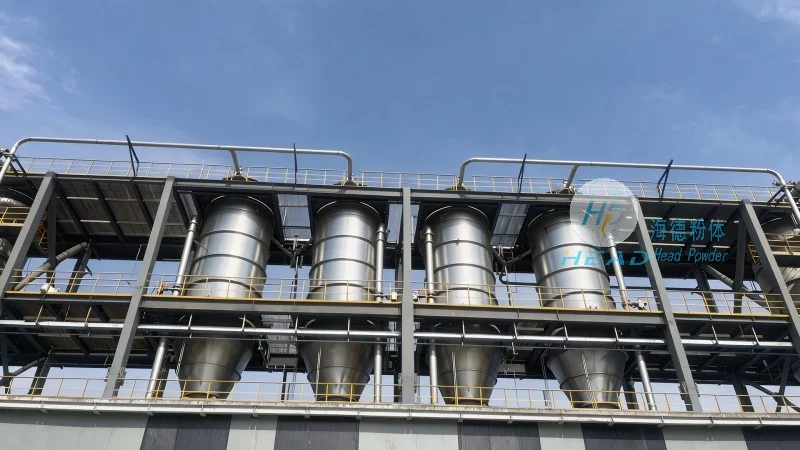
At the core of any dry sludge material handling system are several key components that work in tandem to ensure efficient operation. These components include dryers, conveyors, storage silos, and feeding mechanisms. Each component plays a vital role in the overall process, from reducing moisture content in the sludge to transporting it to the next stage of treatment or disposal.
Design Principles for Optimal Performance
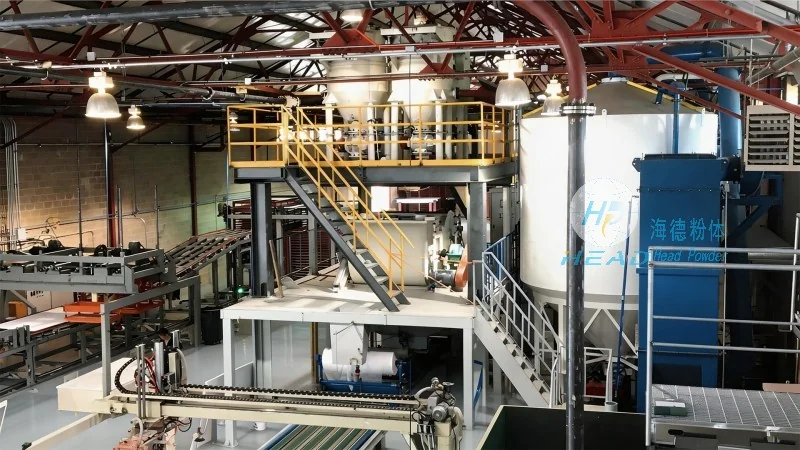
The design of dry sludge material handling systems is guided by several key principles aimed at maximizing efficiency, minimizing energy consumption, and ensuring safety. One of the primary principles is the reduction of moisture content in the sludge. This is typically achieved through thermal drying methods, which can significantly reduce the volume and weight of the material, making it easier to handle and transport. Another critical principle is the selection of appropriate conveyor systems. Screw conveyors, belt conveyors, and pneumatic conveyors are commonly used, each with its own advantages depending on the specific characteristics of the sludge and the operational requirements.
Energy Efficiency and Environmental Considerations
Modern dry sludge material handling systems prioritize energy efficiency and environmental sustainability. This involves optimizing the drying process to minimize energy consumption while ensuring the sludge reaches the desired dryness level. Additionally, the design incorporates features that reduce emissions and noise pollution, aligning with environmental regulations and best practices. For instance, some systems use waste heat recovery to reduce energy costs, and others employ dust control measures to minimize air pollution.
Application in Wastewater Treatment Facilities
Dry sludge material handling systems are widely used in wastewater treatment plants across various industries. These systems are particularly beneficial in facilities dealing with high volumes of sludge, as they help streamline the treatment process and reduce the overall footprint of the plant. By converting wet sludge into a dry, manageable material, these systems enable more efficient use of space and resources, ultimately contributing to the overall effectiveness of the wastewater treatment process.
Advantages of Dry Sludge Material Handling
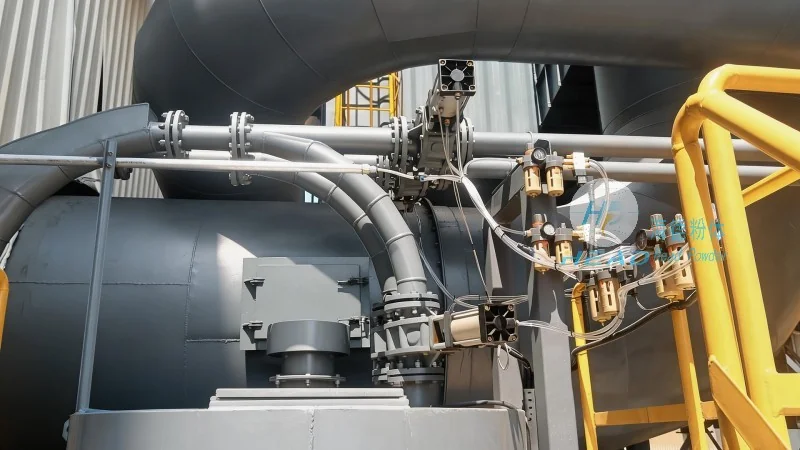
Compared to traditional wet sludge handling methods, dry sludge material handling offers several advantages. These include reduced transportation costs due to lower volume and weight, improved safety as dry material is less slippery and easier to handle, and enhanced treatment efficiency as the reduced moisture content allows for better processing in subsequent stages. Additionally, dry sludge is often more suitable for land application or incineration, providing more flexible disposal options.
Conclusion
Dry sludge material handling systems represent a significant advancement in the management of wastewater treatment byproducts. By adhering to key design principles such as moisture reduction, efficient conveyance, and energy optimization, these systems provide effective solutions for handling sludge while minimizing environmental impact. As the demand for sustainable wastewater treatment methods grows, the importance of well-designed dry sludge material handling systems will continue to increase, making them a critical component of modern wastewater management infrastructure.