

What is Pharmaceutical Granular Material Handling? What are the Design Principles?
Pharmaceutical granular material handling is a critical process in the pharmaceutical industry, focusing on the efficient and safe movement of granular materials such as active pharmaceutical ingredients (APIs), excipients, and other raw materials used in drug manufacturing. This process involves various equipment and systems designed to ensure precise control over material flow, minimize contamination risks, and maintain compliance with stringent regulatory standards. Understanding the principles behind this handling is essential for optimizing production efficiency and product quality.
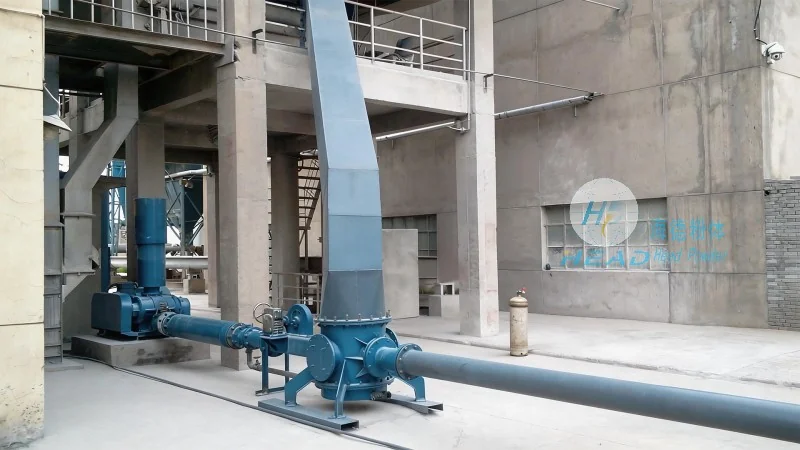
Understanding Pharmaceutical Granular Material Handling
At its core, pharmaceutical granular material handling refers to the methods and technologies used to transport, store, and process granular substances within a pharmaceutical manufacturing facility. These materials are often sensitive to environmental factors like moisture, temperature, and air flow, making the design of handling systems a complex task that requires careful consideration of material properties, process requirements, and regulatory guidelines. The goal is to create a system that ensures consistent material quality, reduces the risk of product degradation, and supports seamless integration into downstream manufacturing steps.
Key Components of Granular Material Handling Systems
Effective pharmaceutical granular material handling systems typically consist of several key components that work in tandem to achieve optimal performance. These components include bulk material handling equipment such as conveyors, feeders, and storage silos, as well as control systems that monitor and regulate material flow. Conveyors, for example, may use belt or screw mechanisms to transport granules from storage to processing areas, while feeders ensure a consistent and controlled feed rate to downstream equipment like mixers or tablet presses. Storage silos are often designed with aeration systems to maintain material flowability and prevent caking, which can occur in certain pharmaceutical powders.
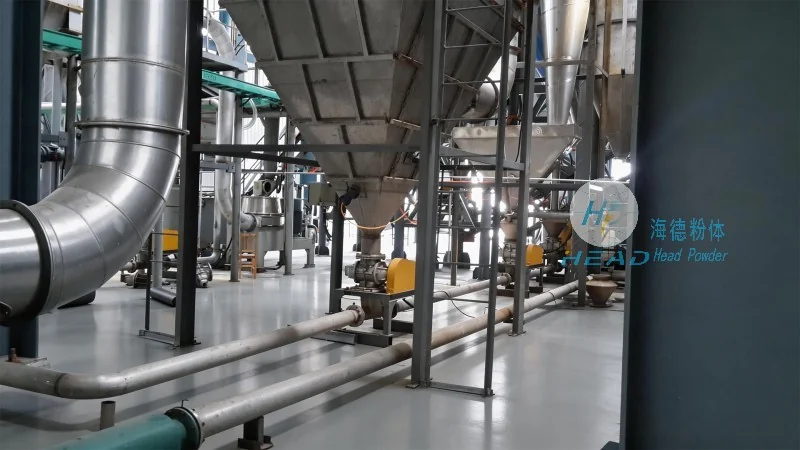
Design Principles for Optimal Material Handling
The design of pharmaceutical granular material handling systems follows several fundamental principles aimed at ensuring safety, efficiency, and compliance. One of the primary principles is the minimization of material exposure to the environment, which helps prevent contamination and product degradation. This is achieved through the use of enclosed systems, proper sealing, and controlled air flow. Another key principle is the maintenance of material integrity, which involves preventing segregation, agglomeration, or degradation during transport. This is often addressed through the use of gentle handling equipment and proper storage conditions. Additionally, the design must consider the need for easy cleaning and maintenance to ensure that the system can be sanitized and inspected regularly, meeting regulatory requirements for hygiene and product safety.
Role of Material Properties in Handling Design
The physical and chemical properties of the granular materials being handled play a crucial role in determining the appropriate handling system design. For instance, materials with high moisture content may require special drying or dehumidification systems to prevent caking or microbial growth. Similarly, materials that are prone to segregation may need to be handled using equipment that promotes uniform mixing, such as rotary valves or vibratory feeders. The particle size distribution, flowability, and bulk density of the material also influence the choice of conveyor type and feeder design. A thorough understanding of these properties is essential for selecting the right equipment and ensuring that the handling system operates efficiently and safely.
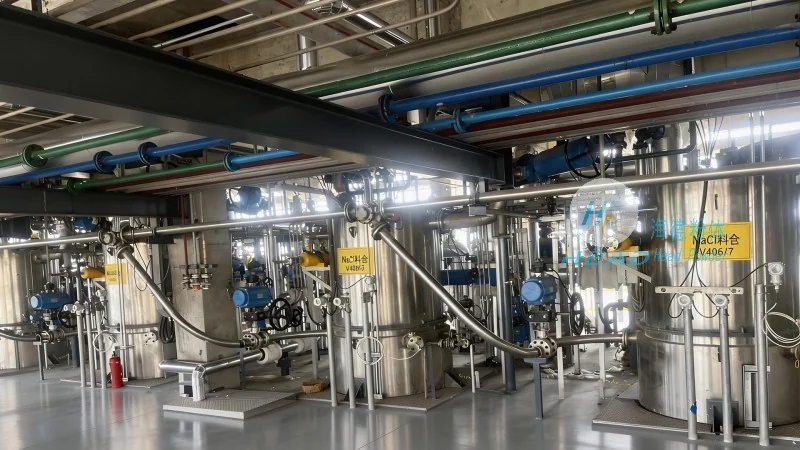
Ensuring Compliance and Quality Control
In the pharmaceutical industry, compliance with regulatory standards such as those set by the FDA and other global health authorities is paramount. Pharmaceutical granular material handling systems must be designed and operated to meet these standards, which often include requirements for documentation, validation, and regular inspections. Quality control measures are integrated into the handling process to monitor material attributes like moisture content, particle size, and purity. This may involve the use of sensors and monitoring systems that provide real-time data on material conditions, allowing for immediate adjustments if deviations are detected. Additionally, the system must be designed to facilitate easy traceability, enabling manufacturers to track materials from raw material receipt to final product release.
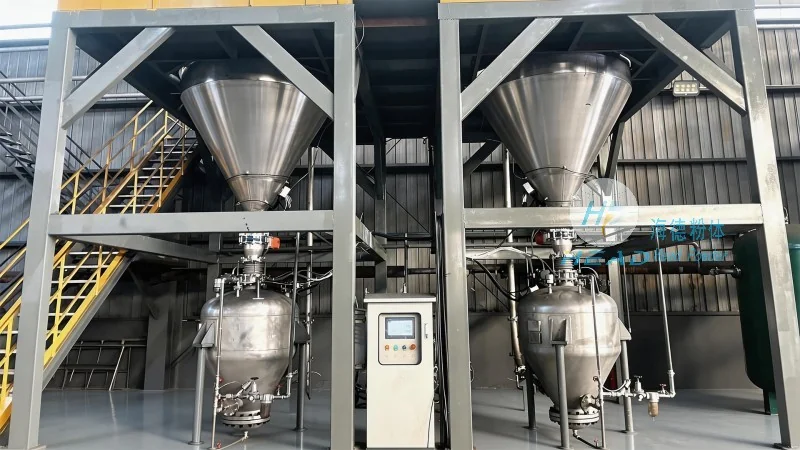
Case Study: HeadPowder's Approach to Granular Material Handling
Shandong HeadPowder Engineering Co., Ltd., a leading provider of pharmaceutical processing solutions, specializes in designing and manufacturing customized granular material handling systems tailored to the specific needs of pharmaceutical manufacturers. With a focus on innovation and adherence to industry standards, HeadPowder's approach emphasizes the integration of advanced technology with practical, user-friendly design. The company's expertise lies in understanding the unique challenges of handling pharmaceutical granules, such as the need for sterile environments and the prevention of cross-contamination. By leveraging years of experience in the industry, HeadPowder develops systems that not only meet regulatory requirements but also enhance production efficiency and product quality. For example, one of their recent projects involved designing a closed-loop material handling system for a pharmaceutical company that required the transport of sensitive APIs from storage to a tablet press. The system was equipped with aeration and sealing features to maintain material integrity and prevent contamination, resulting in improved product consistency and reduced downtime.
Conclusion: The Importance of Well-Designed Material Handling
Pharmaceutical granular material handling is a critical aspect of drug manufacturing, and the design principles behind these systems are essential for ensuring product quality, safety, and regulatory compliance. By understanding the key components, design considerations, and material properties involved, manufacturers can select and implement effective handling systems that support their production goals. Companies like Shandong HeadPowder Engineering Co., Ltd. play a vital role in this process by providing specialized solutions that address the unique challenges of the pharmaceutical industry. As the industry continues to evolve, the importance of well-designed material handling systems will only grow, making it a key focus for manufacturers seeking to optimize their operations and deliver high-quality pharmaceutical products.