

What is Gypsum Powder and Dust Material Handling? What are the Design Principles?
Gypsum powder and dust material handling is a specialized field within industrial material transport, focusing on the efficient and safe movement of gypsum-based materials. These materials, commonly used in construction, manufacturing, and other industries, present unique challenges due to their physical and chemical properties. The design of an effective material handling system for gypsum powder and dust requires careful consideration of several key factors, including material characteristics, system efficiency, and operational safety.
Key Characteristics of Gypsum Powder and Dust
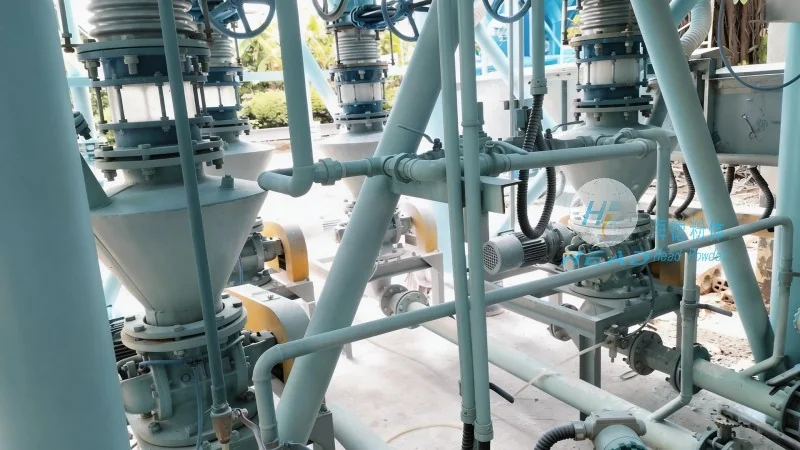
Gypsum powder, typically derived from natural gypsum or by processing gypsum into a fine powder, exhibits properties that influence its handling. It is often a fine, dry powder with a relatively low bulk density, which can lead to issues such as dust generation, caking, and poor flowability. Dust from gypsum operations can also pose health and environmental risks, necessitating robust containment and control measures. Understanding these characteristics is fundamental to designing a system that minimizes these challenges and ensures reliable operation.
Design Principles for Gypsum Material Handling Systems
The design of a gypsum powder and dust material handling system is guided by several core principles aimed at optimizing performance and safety. First, the system must address the inherent dust generation and potential for material degradation. This often involves incorporating dust collection and filtration systems to protect personnel and the environment. Second, the design must consider the material's flow properties, as poor flowability can lead to blockages and system inefficiencies. Techniques such as adding flow aids, using appropriate hopper designs, and ensuring proper storage conditions are critical to maintaining consistent material flow.
Equipment Selection and System Layout
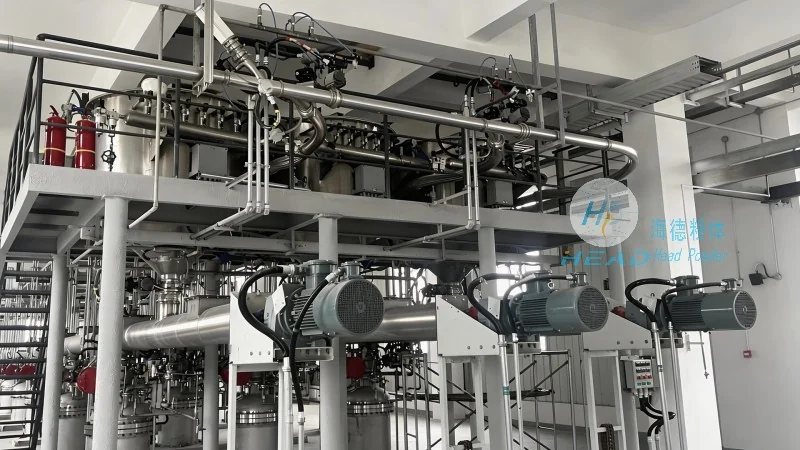
Choosing the right equipment is crucial for effective gypsum material handling. Common equipment includes conveyors (such as belt, screw, or pneumatic conveyors), storage silos, and dust collection systems. Pneumatic conveyors, for example, are well-suited for handling fine powders like gypsum due to their ability to transport materials in a sealed system, minimizing dust exposure. The layout of the system also plays a vital role, with considerations for space constraints, material flow direction, and integration with other production processes. A well-designed layout ensures smooth material transfer from storage to processing or packaging, reducing downtime and operational costs.
Operational Considerations and Safety Measures
Operational efficiency and safety are paramount in gypsum material handling. Regular maintenance of equipment is essential to prevent breakdowns and ensure consistent performance. Additionally, implementing safety measures such as proper ventilation, personal protective equipment (PPE), and emergency shutdown procedures is critical to protect workers from dust inhalation and other hazards. The system should also be designed to allow for easy cleaning and maintenance, as gypsum can adhere to surfaces and cause blockages if not properly managed.
Case Study: HeadPowder's Approach to Gypsum Material Handling
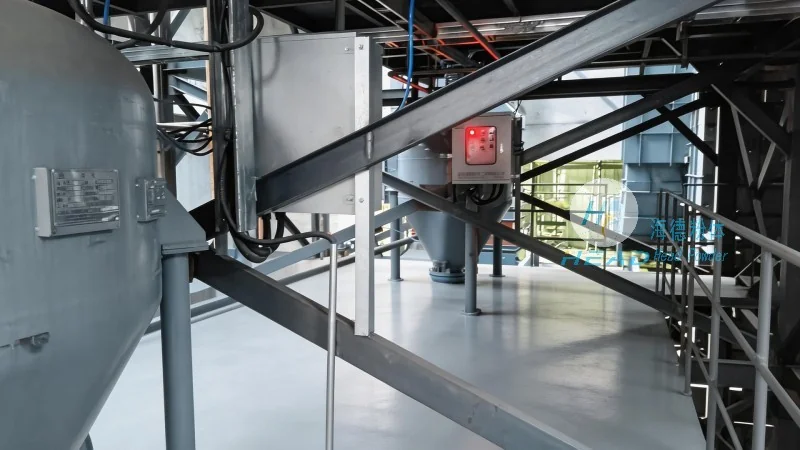
Shandong HeadPowder Engineering Co., Ltd., a leading provider of material handling solutions, specializes in designing and implementing systems tailored to the unique needs of gypsum powder and dust applications. With a focus on innovation and customer-centric solutions, HeadPowder leverages advanced engineering principles to address the challenges of gypsum material handling. Their systems are designed to maximize efficiency, minimize dust emissions, and ensure long-term reliability, reflecting a deep understanding of the material's properties and the operational requirements of their clients.
Conclusion: The Importance of Expert Design in Gypsum Material Handling
Gypsum powder and dust material handling requires a comprehensive approach that integrates knowledge of material properties, system design principles, and operational best practices. By adhering to these principles and leveraging specialized expertise, industries can achieve efficient, safe, and cost-effective material transport. The design of such systems is not merely about moving material from one point to another but about creating a sustainable and reliable operation that meets the demands of modern industrial processes.