

What is aminoacetic acid material handling and its design principles?
Understanding the processes and design principles behind aminoacetic acid material handling is crucial for industries that rely on this chemical. Aminoacetic acid, also known as glycine, is a common amino acid used in various applications, including pharmaceuticals, food additives, and industrial chemicals. Efficient and safe material handling is essential to ensure product quality, minimize waste, and comply with safety regulations. This article explores the key aspects of aminoacetic acid material handling, focusing on the design principles that underpin effective systems.
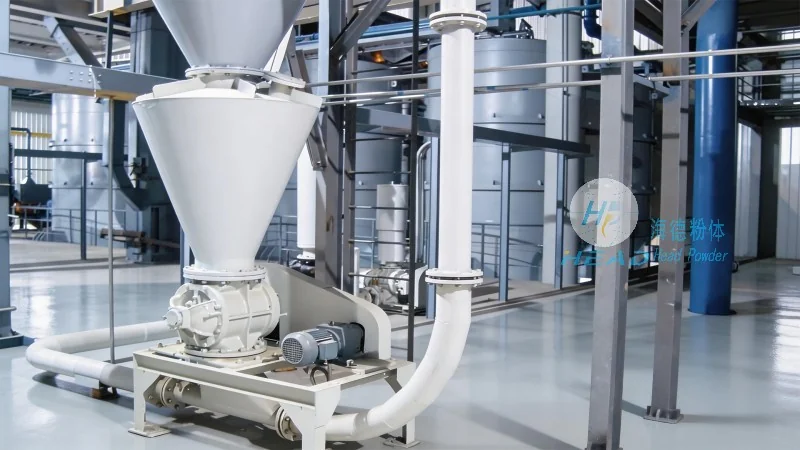
Company Overview: Shandong HeadPowder Engineering Co., Ltd.
Shandong HeadPowder Engineering Co., Ltd. is a leading provider of specialized material handling solutions, headquartered in Shandong, China. With years of experience in the engineering and manufacturing of chemical handling equipment, the company has developed expertise in handling a wide range of chemicals, including aminoacetic acid. Their commitment to quality, safety, and innovation has made them a trusted partner for businesses seeking reliable material handling systems. The company's team of engineers and technicians work closely with clients to understand their specific needs and design customized solutions that meet industry standards and regulatory requirements.
Key Design Principles for Aminoacetic Acid Material Handling
The design of aminoacetic acid material handling systems involves several critical principles to ensure optimal performance and safety. First, the selection of appropriate materials for construction is paramount. Aminoacetic acid is a corrosive chemical, and the equipment must be made from materials that resist corrosion, such as stainless steel or specialized polymers. This prevents contamination and ensures the longevity of the system. Second, the system must be designed to maintain the chemical's stability. Temperature and pressure controls are essential to prevent degradation or hazardous reactions. Third, the system should incorporate effective sealing and containment measures to prevent leaks and spills, which are critical for environmental and safety compliance. Fourth, the flow rate and pressure requirements must be carefully considered to ensure smooth and efficient transport of the material. Proper sizing of pipes, valves, and pumps is crucial to avoid pressure drops or excessive wear.
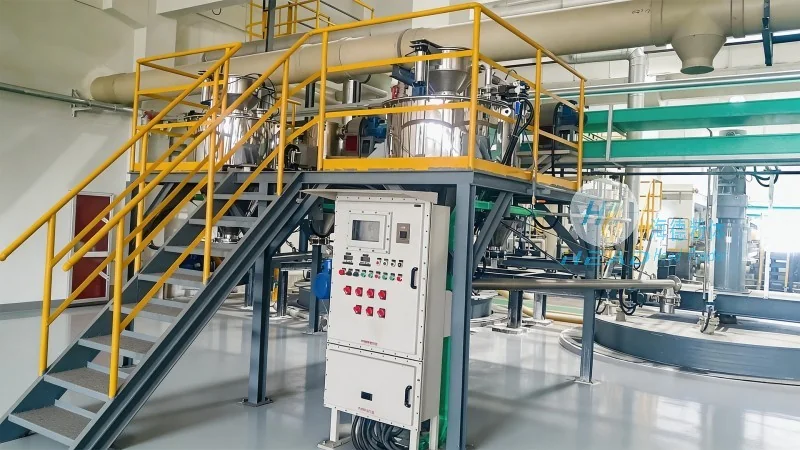
Components of an Aminoacetic Acid Material Handling System
An effective aminoacetic acid material handling system typically includes several key components. The primary components are pipelines, which are designed to transport the chemical from storage to processing or packaging areas. The pipelines are often made of corrosion-resistant materials and are equipped with appropriate fittings and valves to control flow. Pumps are used to move the liquid aminoacetic acid through the system, and the choice of pump type depends on factors such as flow rate, pressure, and the chemical's properties. For example, centrifugal pumps or positive displacement pumps may be used, depending on the specific requirements. The system may also include storage tanks, which are designed to hold the chemical safely and maintain its quality. These tanks are equipped with level indicators, temperature sensors, and venting systems to ensure safe operation. Additionally, the system may include filtration and purification equipment to remove impurities and maintain the chemical's purity. This is particularly important for applications where the aminoacetic acid is used in pharmaceutical or food industries, where high purity is required.
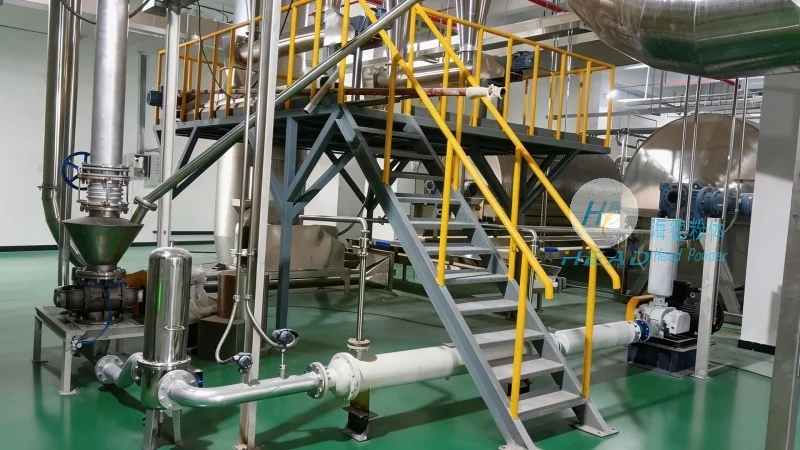
Ensuring Safety and Compliance in Aminoacetic Acid Handling
Safety is a top priority in aminoacetic acid material handling. The design of the system must comply with relevant safety standards and regulations, such as those from the Occupational Safety and Health Administration (OSHA) or the Environmental Protection Agency (EPA). Proper ventilation and exhaust systems are essential to remove any fumes or vapors from the system, preventing exposure to workers. The system should also include emergency shutdown mechanisms and leak detection systems to quickly respond to any incidents. Regular maintenance and inspection of the equipment are crucial to ensure that the system operates safely and efficiently. Shandong HeadPowder Engineering Co., Ltd. adheres to strict safety protocols and provides comprehensive training to their clients on the safe operation of aminoacetic acid material handling systems.
Applications of Aminoacetic Acid Material Handling
Aminoacetic acid material handling systems are used in a variety of industries. In the pharmaceutical industry, aminoacetic acid is used as a raw material for the production of drugs and supplements. The material handling systems must be designed to maintain the chemical's purity and prevent contamination, which is critical for pharmaceutical applications. In the food industry, aminoacetic acid is used as a flavor enhancer and preservative. The systems must comply with food safety regulations and ensure that the chemical is handled in a way that does not compromise food quality. In the industrial chemical industry, aminoacetic acid is used in the production of other chemicals and materials. The material handling systems must be robust and able to handle the chemical's properties, such as its corrosive nature and potential for hazardous reactions. Overall, the design of aminoacetic acid material handling systems must be tailored to the specific application and industry requirements to ensure optimal performance and safety.