

What is Precipitated Barium Sulfate Material Handling? Exploring Design Principles
Understanding the material handling of precipitated barium sulfate is crucial for industries that rely on this specific chemical compound. Precipitated barium sulfate, a white crystalline powder, is widely used in various applications such as pigments, coatings, and medical imaging. Efficient and safe material handling systems are essential to ensure the integrity of the product and maintain operational efficiency. This article delves into the design principles behind the material handling of precipitated barium sulfate, highlighting key considerations and best practices.
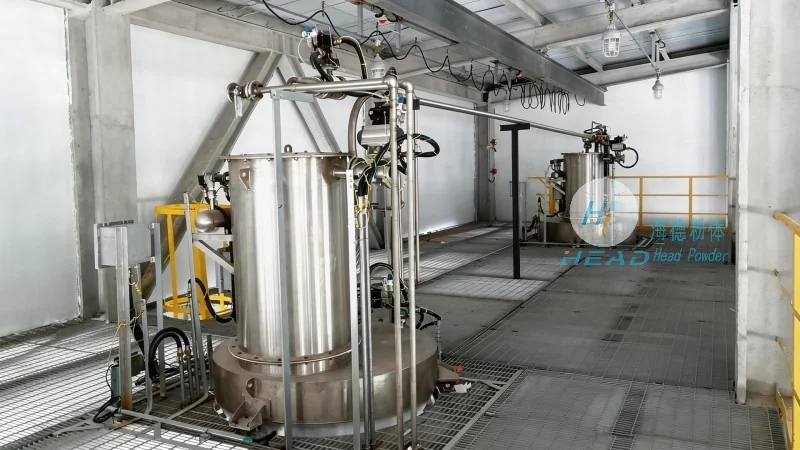
Precipitated Barium Sulfate: Key Characteristics and Handling Requirements
Precipitated barium sulfate is known for its high purity and fine particle size, which makes it sensitive to handling conditions. The material is typically stored in bulk containers or bags, and its handling requires careful attention to prevent agglomeration or contamination. The density and flow characteristics of precipitated barium sulfate influence the choice of equipment for material handling, such as conveyors, silos, and storage vessels. Proper design of these systems ensures that the material is transported without degradation, maintaining its quality for downstream processes.
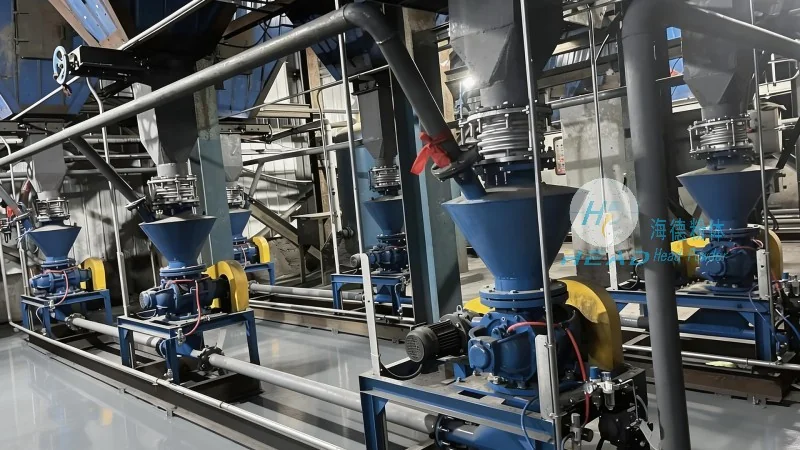
Design Principles for Material Handling Systems
The design of material handling systems for precipitated barium sulfate must consider several factors to ensure optimal performance. First, the system should minimize the risk of dust generation, as barium sulfate is a fine powder that can pose health hazards if inhaled. Dust control measures, such as enclosed conveyors and proper ventilation, are critical components of the design. Second, the system must address the material's flow properties, including its angle of repose and cohesive behavior. This is often addressed through the use of additives or the incorporation of agitators and vibrators to prevent clogging and ensure smooth flow. Third, the system should be designed for easy maintenance and cleaning to prevent cross-contamination and ensure compliance with regulatory standards. The integration of these principles results in a robust material handling solution that meets the specific needs of the application.
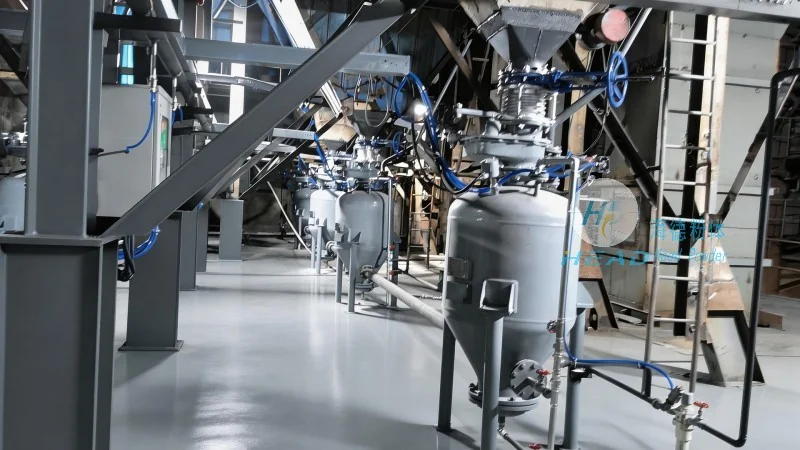
Equipment Selection and Integration
Choosing the right equipment for precipitated barium sulfate material handling involves evaluating various options based on the scale of operation and the specific requirements of the process. Conveyors, such as belt conveyors or screw conveyors, are commonly used for transporting the material from storage to processing areas. Silos and hoppers are essential for storing the material and controlling the flow rate. The selection of equipment must also consider the material's abrasiveness and potential for wear on components. For example, stainless steel or special alloys may be used for parts that come into direct contact with the material to prevent corrosion and maintain product purity. The integration of these equipment pieces into a cohesive system requires careful planning to ensure seamless operation and minimal downtime.
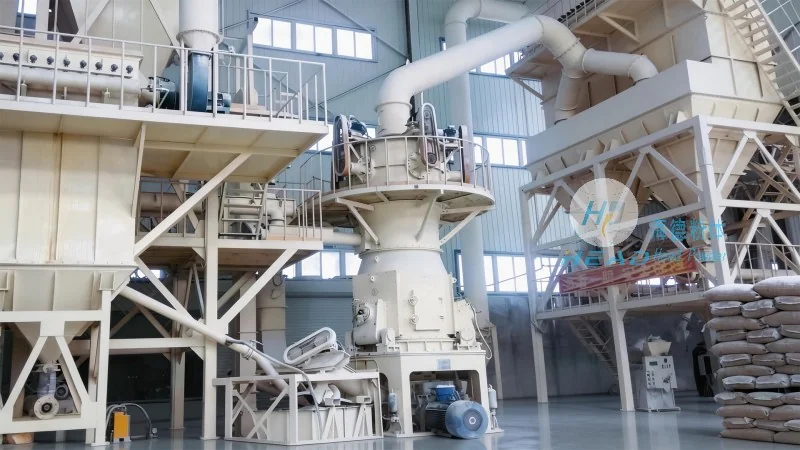
Operational Considerations and Best Practices
Once the material handling system is installed, operational considerations play a vital role in maintaining efficiency and safety. Regular maintenance, including cleaning and inspection of equipment, is essential to prevent issues such as blockages or equipment failure. Training personnel on proper handling procedures and safety protocols is also crucial, as handling barium sulfate requires adherence to health and safety guidelines. Monitoring the system's performance through regular checks and adjustments helps to identify and address any issues before they become major problems. Implementing these best practices ensures that the material handling system operates reliably and consistently, supporting the overall productivity of the facility.