

What is a Continuous Quantitative Material Conveying System? What are its Design Principles?
Continuous quantitative material conveying systems are advanced industrial solutions designed to transport bulk materials with precise and consistent measurement. These systems are integral to various manufacturing and processing industries, ensuring efficient material handling while maintaining accuracy in dosage or volume. The design principles behind such systems are crucial for optimizing performance, reliability, and operational efficiency.
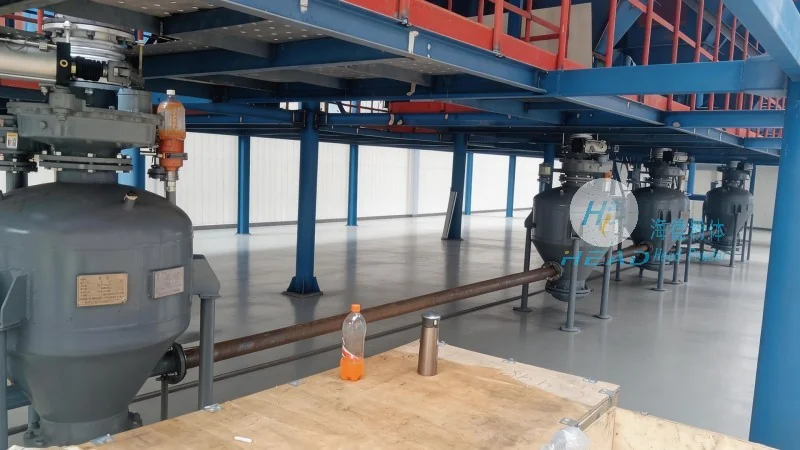
About HeadPowder: Your Trusted Partner in Material Handling Technology
HeadPowder, formally known as Shandong HeadPowder Engineering Co., Ltd., is a leading manufacturer and supplier of specialized material handling equipment. With a strong presence in China, particularly in Shandong province, the company has established itself as a reliable source for high-quality conveying systems tailored to diverse industrial needs. HeadPowder's commitment to innovation and precision engineering has positioned it as a key player in the field of bulk material handling solutions.
Understanding Continuous Quantitative Material Conveying Systems
At the core of these systems is the ability to transport materials continuously while measuring and controlling the quantity being conveyed. This is achieved through a combination of components including feeders, conveyors, and measurement devices. The systems are designed to handle a wide range of materials, from powders and granules to bulk solids, ensuring that the material flow is both consistent and accurate. The primary goal is to eliminate manual intervention in the material measurement process, thereby reducing human error and enhancing overall production efficiency.
Design Principles for Optimal Performance
The design of continuous quantitative material conveying systems follows several fundamental principles to ensure reliable operation. First, the system must maintain a stable material flow rate, which is critical for accurate measurement. This is often achieved through the use of controlled feed mechanisms, such as rotary valves or screw feeders, that regulate the material input. Second, the conveying mechanism, typically a belt or screw conveyor, must be capable of handling the material's characteristics without causing degradation or segregation. This involves selecting appropriate materials for the conveyor components and ensuring proper maintenance to prevent wear and tear.

Third, the measurement technology integrated into the system is a key design element. Modern systems utilize sensors and digital control systems to monitor and adjust the material flow in real-time. This allows for precise control over the quantity being conveyed, even when dealing with variable material properties or changing production demands. The integration of feedback loops and automation further enhances the system's responsiveness and accuracy.
Key Features and Benefits of Continuous Quantitative Material Conveying Systems
Continuous quantitative material conveying systems offer several advantages that make them indispensable in modern industrial settings. One of the most significant benefits is the ability to achieve high levels of accuracy and repeatability in material measurement. This is particularly important in industries such as pharmaceuticals, food processing, and chemical manufacturing, where precise dosing is essential for product quality and safety. Additionally, these systems contribute to improved operational efficiency by reducing downtime and minimizing material waste.

Another key feature is the system's ability to handle a wide variety of materials, including those that are abrasive, sticky, or prone to caking. The design of the conveying components, such as the use of special coatings or the incorporation of cleaning mechanisms, ensures that the system can maintain performance over extended periods. This durability and reliability are crucial for maintaining consistent production output and reducing maintenance costs.
Furthermore, continuous quantitative material conveying systems enhance safety in the workplace by minimizing the need for manual handling of bulk materials. This reduces the risk of accidents and exposure to hazardous materials, aligning with modern industrial safety standards. The automation and control features also contribute to a more streamlined workflow, allowing operators to focus on other critical tasks while the system handles material transport and measurement.
Conclusion: The Importance of Well-Designed Conveying Systems
In conclusion, continuous quantitative material conveying systems are sophisticated industrial tools that combine precision measurement with efficient material transport. The design principles that underpin these systems, including stable flow control, material compatibility, and advanced measurement technology, are essential for achieving optimal performance. Companies like Shandong HeadPowder Engineering Co., Ltd. play a vital role in developing and providing such systems, ensuring that industries can meet their production goals while maintaining quality and safety standards. As the demand for efficient and accurate material handling continues to grow, the importance of well-designed continuous quantitative material conveying systems will only increase.