

What is a bin pump material handling system? What are its design principles?
Bin pump material handling systems are advanced industrial equipment designed to transport bulk materials efficiently and reliably. These systems are widely used in various industries, including mining, construction, and chemical processing, to move materials over long distances with minimal energy consumption. The core of a bin pump system is the bin pump itself, which acts as a pressure vessel that can be filled with material and then discharged under pressure. This mechanism allows for controlled and continuous material flow, making it an ideal solution for applications requiring precise and consistent material transfer.
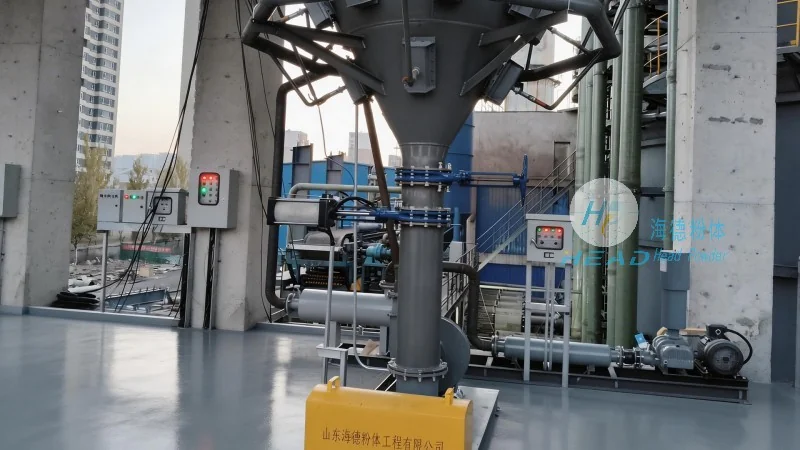
Understanding the Core Components of a Bin Pump Material Handling System
The bin pump material handling system consists of several key components that work together to ensure optimal performance. The primary components include the hopper, which is used to store and feed the bulk material into the pump; the pump body, which houses the mechanical parts responsible for creating the pressure needed to move the material; and the discharge valve, which controls the release of material from the pump. Additionally, the system may include a motor and drive system to power the pump, as well as a control panel to monitor and adjust the operation. Each component plays a critical role in the overall functionality of the system, and their proper integration is essential for achieving high efficiency and reliability.
Design Principles Behind Bin Pump Material Handling Systems
The design principles of bin pump material handling systems are centered around maximizing efficiency, durability, and safety. Engineers at Shandong HeadPowder Engineering Co., Ltd. focus on creating systems that can handle a wide range of materials, from fine powders to coarse granules, with minimal degradation or loss. The design emphasizes the use of robust materials, such as stainless steel or high-grade alloys, to withstand the abrasive nature of the materials being transported. Furthermore, the system is designed to minimize energy consumption by using efficient motor drives and pressure control mechanisms. Safety is also a key consideration, with features like pressure relief valves and emergency stop buttons integrated into the design to prevent accidents and ensure operator safety.
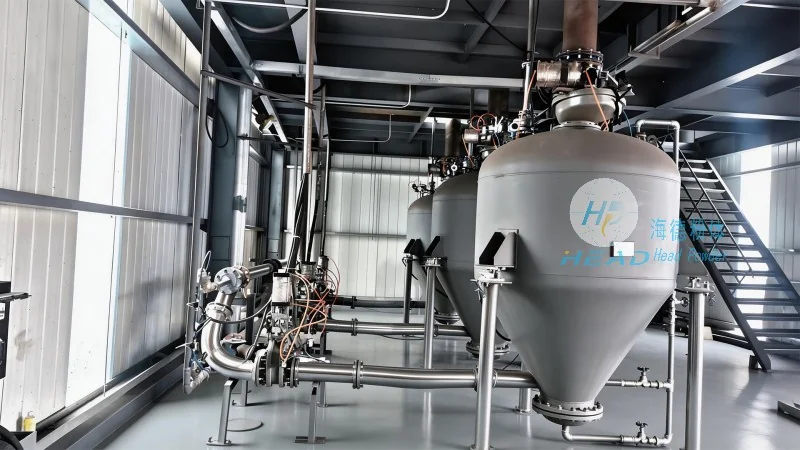
How Bin Pump Systems Operate: A Step-by-Step Process
The operation of a bin pump material handling system involves a series of steps that ensure smooth and continuous material transfer. First, the hopper is filled with the bulk material. The material then flows into the pump body through a feed mechanism, such as a screw or a gate valve. The pump then starts to operate, using a motor to drive the impeller or plunger, which creates the pressure needed to move the material. As the pressure builds, the discharge valve opens, and the material is expelled from the pump at a controlled rate. The system can be adjusted to control the flow rate, ensuring that the material is delivered to the destination at the desired speed. This process is repeated continuously, allowing for a steady and reliable supply of material to the processing plant or other facilities.
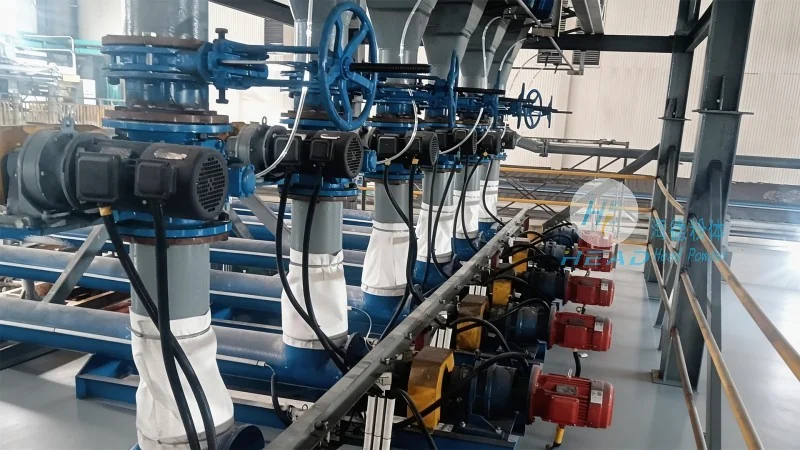
Applications and Benefits of Bin Pump Material Handling Systems
Bin pump material handling systems are used in a variety of applications across different industries. In the mining industry, they are used to transport ore from storage bins to processing plants. In the construction industry, they are used to move sand, gravel, and other aggregates to job sites. In the chemical industry, they are used to handle powders and granules, such as fertilizers or chemicals, with precision. The benefits of using bin pump systems include improved efficiency, reduced labor costs, and increased safety. The systems can operate continuously without the need for manual intervention, and they can handle large volumes of material with minimal maintenance. Additionally, the controlled flow of material reduces the risk of spills and dust emissions, making them an environmentally friendly solution for material handling.
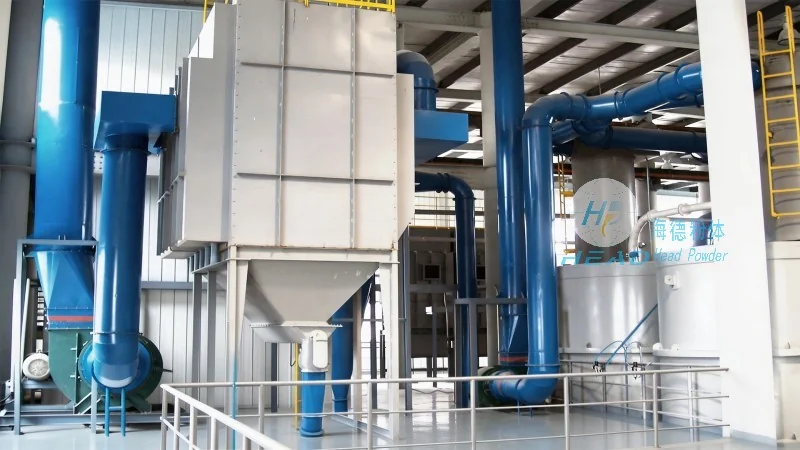
Customization and Integration with Existing Systems
Shandong HeadPowder Engineering Co., Ltd. offers customized bin pump material handling systems to meet the specific needs of their clients. The company works closely with customers to understand their requirements and design a system that is tailored to their application. The systems can be integrated with existing infrastructure, such as conveyor belts or storage silos, to create a seamless material handling process. The company also provides technical support and maintenance services to ensure that the systems operate at peak performance. By customizing the systems, HeadPowder ensures that their clients get the most out of their investment, with systems that are efficient, reliable, and cost-effective.
Conclusion: The Role of Bin Pump Material Handling Systems in Modern Industry
Bin pump material handling systems are an essential part of modern industrial operations, providing efficient and reliable material transfer solutions. The design principles and components of these systems are carefully engineered to meet the demands of various industries, ensuring that they can handle a wide range of materials with precision and control. With the expertise of companies like Shandong HeadPowder Engineering Co., Ltd., these systems are becoming increasingly popular as a cost-effective and sustainable solution for material handling. As industries continue to evolve, the demand for advanced material handling systems will only increase, and bin pump systems will remain a key component in meeting these needs.