

What is a Forage Material Handling System? And What Are Its Design Principles?
Forage material handling systems are essential in modern agricultural operations, designed to efficiently transport and process forage materials such as hay, silage, and other livestock feed. These systems play a critical role in optimizing farm productivity and ensuring consistent feed quality for animals. Understanding the components and design principles behind these systems is crucial for farmers and agricultural engineers alike, as they directly impact the efficiency and profitability of livestock operations.
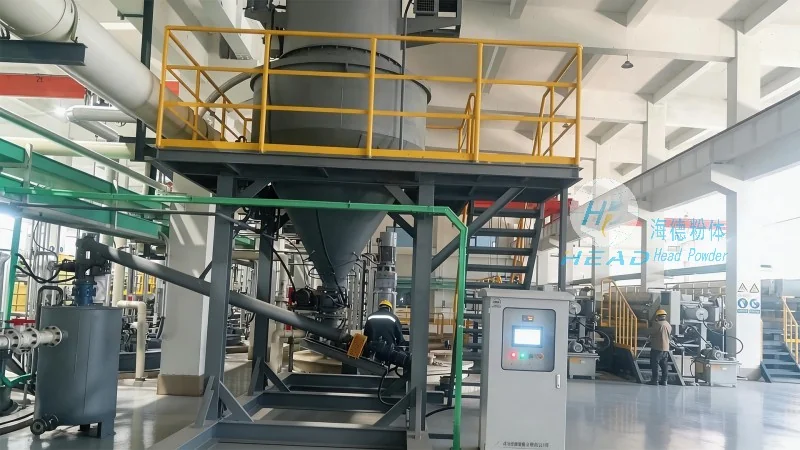
Key Components of a Forage Material Handling System
The core components of a forage material handling system typically include feeders, conveyors, storage silos, and processing equipment. Feeders are responsible for delivering forage to the system, while conveyors transport the material through various stages of processing. Storage silos are used to store processed forage, ensuring a steady supply for livestock. Processing equipment, such as choppers or mixers, may also be integrated to enhance feed quality and palatability. Each component works in tandem to create a seamless workflow that minimizes downtime and maximizes operational efficiency. For example, a feeder might use a mechanical or pneumatic system to move forage from the field to the conveyor, while the conveyor itself may be a belt or chain system designed to handle different types of forage with minimal friction and wear.
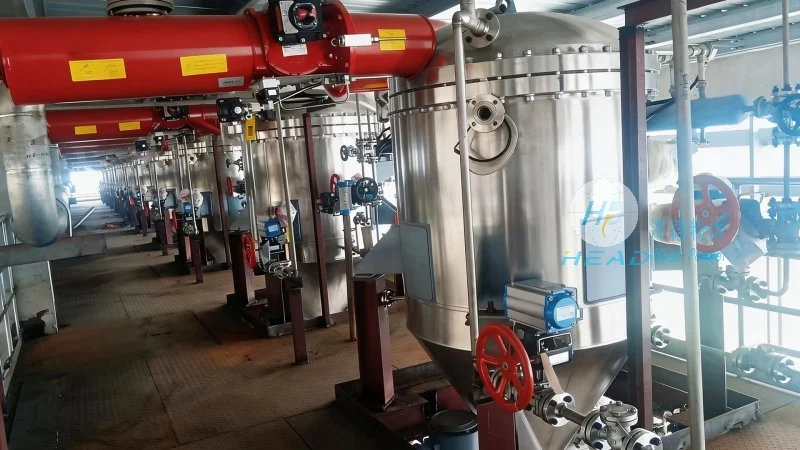
Design Principles for Efficient Forage Handling
Design principles for forage material handling systems focus on maximizing efficiency, minimizing energy consumption, and ensuring durability under heavy operational loads. Engineers must consider factors like material flow dynamics, equipment maintenance, and space constraints when designing these systems. The goal is to create a system that can handle large volumes of forage while maintaining consistent quality. Advanced materials and engineering techniques are often employed to reduce wear and tear, extending the lifespan of the equipment. Additionally, the design must accommodate varying feed types and moisture levels to prevent spoilage and ensure optimal processing. For instance, the use of stainless steel in conveyor components can improve resistance to corrosion and bacterial growth, while variable speed drives can optimize energy use based on the load.
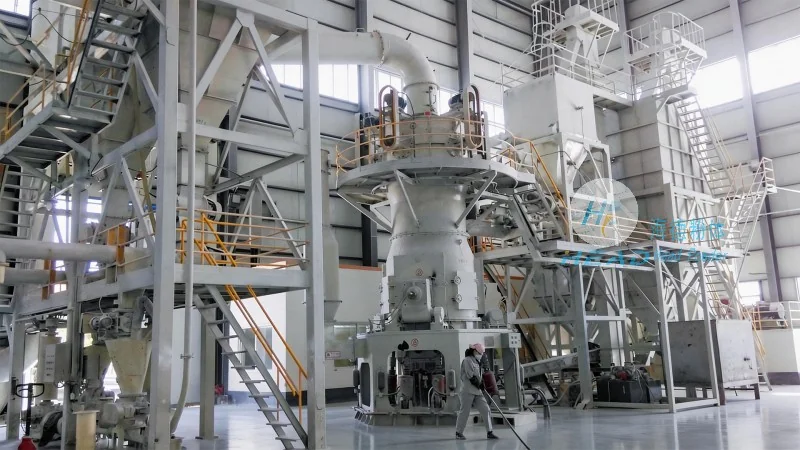
Application of Forage Handling Systems in Agricultural Operations
Forage handling systems are widely used in dairy farms, feedlots, and large-scale agricultural operations. They help streamline the process of feeding livestock, from harvesting to storage and distribution. By automating the handling of forage, these systems reduce the risk of spoilage and improve the nutritional value of the feed. This is particularly important in large-scale operations where feed consistency is critical for animal health and productivity. The systems also help reduce labor costs by automating repetitive tasks, allowing farm staff to focus on other critical aspects of farm management. In dairy farms, for example, a forage handling system might integrate with milking equipment to provide a continuous supply of fresh feed, ensuring that cows receive the optimal diet for milk production.
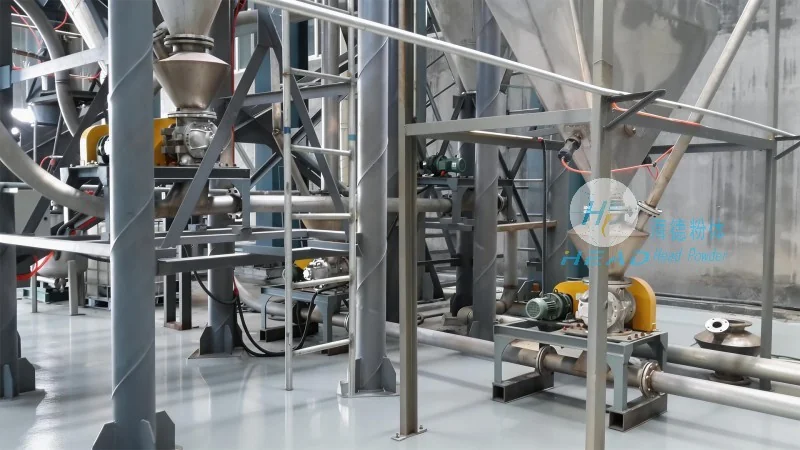
The Role of Shandong HeadPowder Engineering Co., Ltd. in Forage Handling Solutions
Shandong HeadPowder Engineering Co., Ltd., a leading provider of agricultural engineering solutions, specializes in designing and manufacturing forage material handling systems. With a strong presence in China, particularly in Shandong province, the company has built a reputation for delivering high-quality, reliable equipment tailored to the needs of modern farming operations. Their expertise in material handling technology ensures that farmers can achieve optimal feed management and operational efficiency. The company’s products are designed to meet international standards while adapting to local agricultural practices, making them suitable for a wide range of farm sizes and conditions. By partnering with Shandong HeadPowder, farmers can access advanced technology and professional support to enhance their forage handling capabilities. The company’s team of engineers and technicians provides on-site consultation and maintenance services, ensuring that the systems operate at peak performance throughout the year.