

What is a Capsule Material Handling System? What are its Design Principles?
Capsule material handling systems are essential components in the pharmaceutical and nutraceutical industries, facilitating the efficient movement and management of capsules from production to packaging. These systems are designed to handle the delicate nature of capsules while ensuring high-speed, reliable operation. Understanding the core functions and design principles of such systems is vital for optimizing production workflows and maintaining product quality.
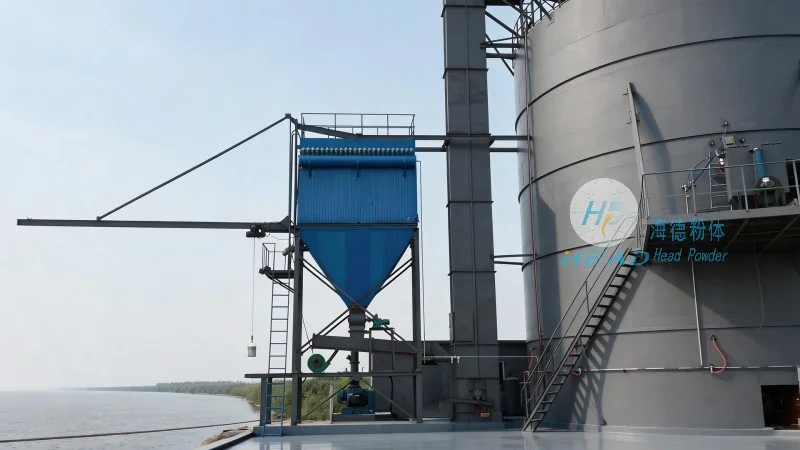
About Shandong HeadPowder Engineering Co., Ltd.
Headpowder, a prominent entity in the material handling equipment sector, specializes in developing advanced solutions tailored for the pharmaceutical and related industries. The company, headquartered in Shandong, China, combines technical expertise with industry experience to deliver high-performance capsule handling systems. Headpowder’s commitment to quality and innovation has positioned it as a trusted partner for businesses seeking reliable and efficient material handling solutions.

Key Components and Functions of Capsule Material Handling Systems
A typical capsule material handling system comprises several interconnected components, each playing a critical role in the overall operation. The primary functions include conveying capsules from the filling or coating line to the packaging machine, storing excess capsules for inventory management, and ensuring smooth transitions between different production stages. Key components include conveyor systems, feeding mechanisms, sorting devices, and storage bins. Conveyor systems, often equipped with adjustable speed and direction controls, transport capsules along designated paths. Feeding mechanisms, such as rotary feeders or vibratory feeders, ensure a consistent flow of capsules into the conveyor. Sorting devices, like optical or mechanical sorters, can separate defective capsules from good ones, enhancing quality control. Storage bins are used to buffer capsules, preventing bottlenecks and maintaining a steady supply to downstream processes.
Design Principles for Optimal Performance
The design of a capsule material handling system is guided by several fundamental principles to ensure efficiency, reliability, and product integrity. First, the system must prioritize the gentle handling of capsules to avoid damage. This is achieved through the use of smooth, non-abrasive surfaces and minimal impact points in the conveyor and feeding mechanisms. The design also considers the size and shape of capsules, ensuring that the system accommodates various capsule dimensions without causing deformation. Second, the system is engineered for high throughput, enabling continuous operation without interruptions. Modular design is a common approach, allowing for easy expansion or integration with existing production lines. This flexibility helps businesses adapt to changing production demands. Third, the system incorporates advanced control technologies, including sensors and automated controls, to monitor and adjust the handling process in real-time. These controls help maintain consistent product quality and prevent issues like misalignment or jamming. Fourth, the design emphasizes safety and compliance with industry regulations. The system is built to meet all relevant standards for pharmaceutical manufacturing, ensuring that it operates within safe parameters and adheres to quality control protocols.
Benefits of Implementing a Capsule Material Handling System
Adopting a well-designed capsule material handling system offers numerous benefits for pharmaceutical and nutraceutical manufacturers. Primarily, it enhances production efficiency by reducing downtime and improving throughput. By automating the handling process, businesses can minimize manual labor and associated errors, leading to higher productivity. Additionally, the system improves product quality by ensuring consistent and gentle handling, reducing the risk of capsule damage or contamination. This, in turn, enhances customer satisfaction and brand reputation. The modular design of these systems also allows for scalability, enabling businesses to expand their operations as demand grows. Furthermore, the integration of advanced control technologies provides real-time monitoring and data collection, facilitating better decision-making and process optimization. Overall, a capsule material handling system is a critical investment for businesses aiming to streamline their production processes and maintain competitive advantages in the market.