

What is a Polyvinyl Butyral Material Handling System? What Are Its Design Principles?
Understanding the Polyvinyl Butyral (PVB) Material Handling System: Design Principles and Applications
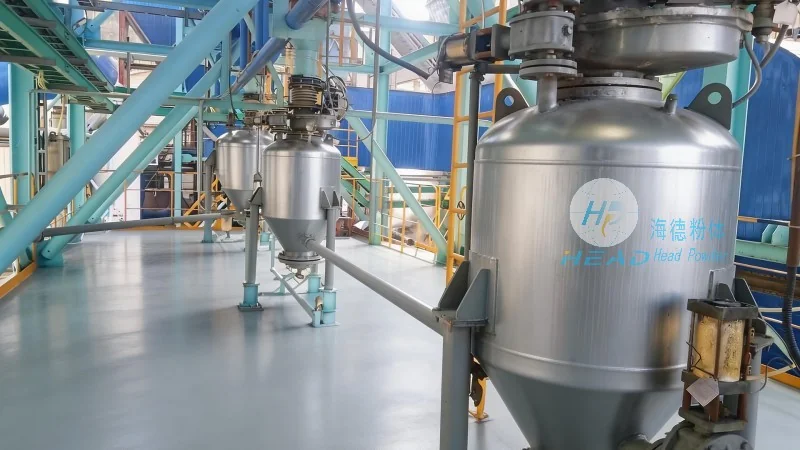
Introduction to PVB Material Handling Systems
Polyvinyl Butyral (PVB) material handling systems represent a specialized category of industrial equipment designed for the efficient transport and management of materials. These systems are engineered to handle a wide range of bulk materials, including powders, granules, and other particulate substances, ensuring smooth and reliable operation in various industrial settings. The PVB material handling system is characterized by its robust construction, which incorporates materials like polyvinyl butyral, known for its excellent chemical resistance, flexibility, and durability. This combination of properties makes PVB an ideal choice for systems that require consistent performance under demanding conditions.
Key Design Principles of PVB Material Handling Systems
The design of a PVB material handling system is guided by several critical principles aimed at optimizing efficiency, safety, and longevity. One of the primary principles is the integration of high-quality PVB components, which provide resistance to abrasion, corrosion, and temperature fluctuations. This material choice ensures that the system can withstand the rigors of continuous operation in environments where other materials might degrade. Additionally, the system's design emphasizes modular construction, allowing for easy installation, maintenance, and scalability. Modular components enable users to adapt the system to changing production needs without extensive reconfiguration, enhancing flexibility and cost-effectiveness.
Another crucial design principle is the focus on energy efficiency and operational reliability. PVB material handling systems are often equipped with advanced drive mechanisms and control systems that minimize energy consumption while maximizing throughput. The use of high-efficiency motors and variable speed drives (VSDs) allows for precise control over material flow rates, reducing waste and improving overall productivity. Furthermore, the design incorporates safety features such as emergency stop buttons, overload protection, and material containment measures to prevent accidents and ensure compliance with industrial safety standards.
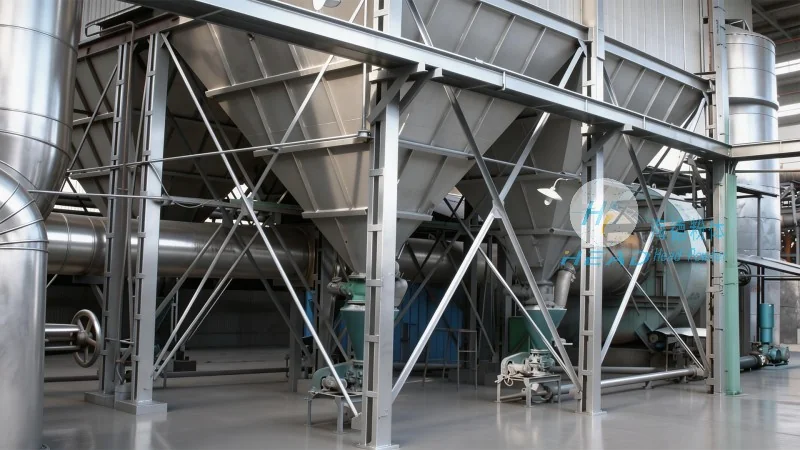
Components and Functionality of PVB Material Handling Systems
A typical PVB material handling system consists of several interconnected components, each playing a vital role in the overall operation. The primary components include feeders, conveyors, hoppers, and control panels. Feeders are responsible for uniformly distributing the material into the system, ensuring consistent flow rates. Common types of feeders include screw feeders, vibratory feeders, and rotary valves, each suited to different material characteristics and processing requirements. Conveyors, such as belt conveyors or screw conveyors, transport the material from one point to another within the system. The choice of conveyor type depends on factors like material density, flowability, and the required distance of transport. Hoppers are used to store and feed material into the system, providing a buffer to maintain a steady supply even during fluctuations in production. Control panels manage the entire system, monitoring parameters like flow rate, pressure, and temperature, and adjusting operations as needed to maintain optimal performance.
The functionality of a PVB material handling system is centered around the seamless integration of these components. The system operates by feeding material from the hopper into the feeder, which then transfers it to the conveyor. The conveyor transports the material to the desired destination, such as a processing unit or storage area. Control systems continuously monitor the process, ensuring that the material flow is consistent and that any deviations are corrected promptly. This integrated approach minimizes downtime and maximizes the system's effectiveness in handling materials efficiently.
Applications and Benefits of PVB Material Handling Systems
PVB material handling systems find applications in a wide range of industries, including pharmaceuticals, food processing, chemical manufacturing, and mining. In the pharmaceutical industry, for example, PVB systems are used to handle sensitive powders and granules, ensuring that the materials remain uncontaminated and are transported safely. The food processing industry benefits from PVB systems' ability to handle food-grade materials without compromising quality or safety. Chemical manufacturers utilize PVB systems for handling corrosive or abrasive materials, leveraging the material's resistance to chemical attack and wear. Mining operations use PVB systems to transport bulk materials like ores and coal, improving efficiency and reducing labor costs.
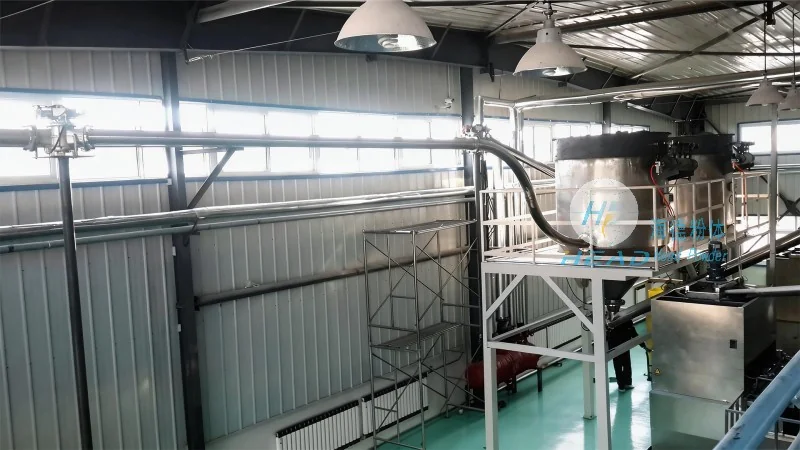
The benefits of PVB material handling systems extend beyond their application-specific advantages. These systems offer high reliability, with low maintenance requirements due to the durability of PVB components. The modular design allows for easy upgrades and modifications, adapting to evolving production needs. Additionally, PVB systems provide excellent material containment, reducing dust emissions and improving workplace safety. The energy-efficient operation of these systems contributes to lower operational costs and a smaller environmental footprint, making them a sustainable choice for modern industrial operations.
About HeadPowder: A Leading Provider of PVB Material Handling Solutions
HeadPowder, a prominent company in the field of material handling systems, specializes in the design, manufacturing, and installation of PVB material handling solutions. With its headquarters in Shandong, China, HeadPowder has established itself as a trusted partner for industries seeking reliable and efficient material transport systems. The company's expertise lies in understanding the unique requirements of different applications and tailoring PVB systems to meet those needs. HeadPowder's team of engineers and technicians work closely with clients to develop customized solutions that enhance productivity and safety. The company adheres to strict quality standards, ensuring that all PVB components are manufactured to the highest specifications, and that the final systems are tested rigorously before delivery. HeadPowder's commitment to customer satisfaction and technological innovation has made it a preferred choice for businesses looking to optimize their material handling processes.
HeadPowder's PVB material handling systems are designed to provide long-term value and performance. The company's focus on quality and customer service ensures that clients receive not only a well-engineered system but also comprehensive support throughout the lifecycle of the equipment. From initial consultation and system design to installation and ongoing maintenance, HeadPowder offers a full range of services to meet the diverse needs of its clients. By leveraging its expertise in PVB technology and industrial applications, HeadPowder helps businesses improve their operational efficiency, reduce costs, and enhance safety in material handling operations.