

What is a Wet Ammonium Nitrate Material Handling System? What are the Design Principles?
Wet ammonium nitrate (WAN) is a widely used industrial chemical, often employed in fertilizer production and other applications. Due to its hygroscopic nature and potential reactivity under certain conditions, handling WAN requires specialized equipment and systems to ensure safe and efficient operation. A wet ammonium nitrate material handling system is a comprehensive setup designed to manage the storage, transfer, and processing of this material from its initial state to the final product or downstream processes.
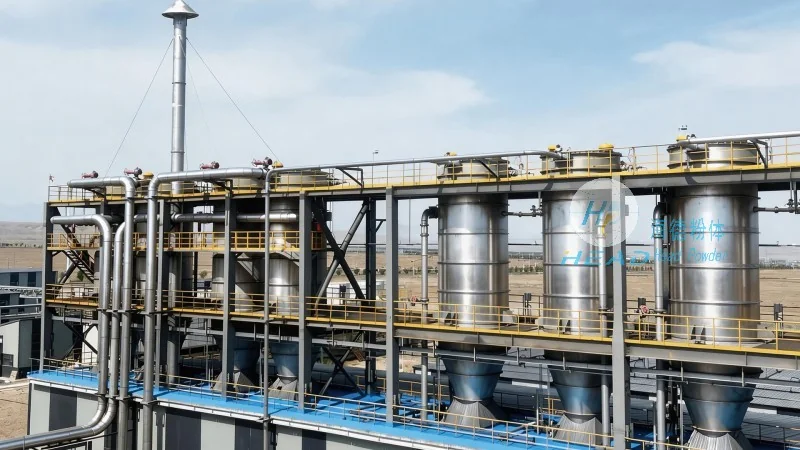
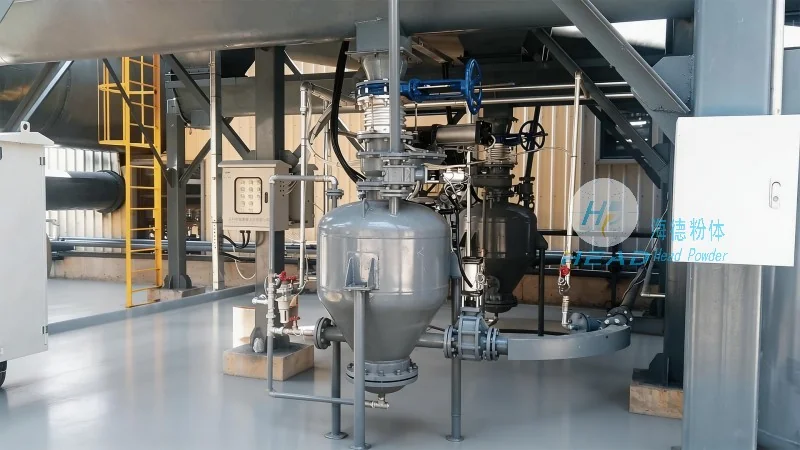
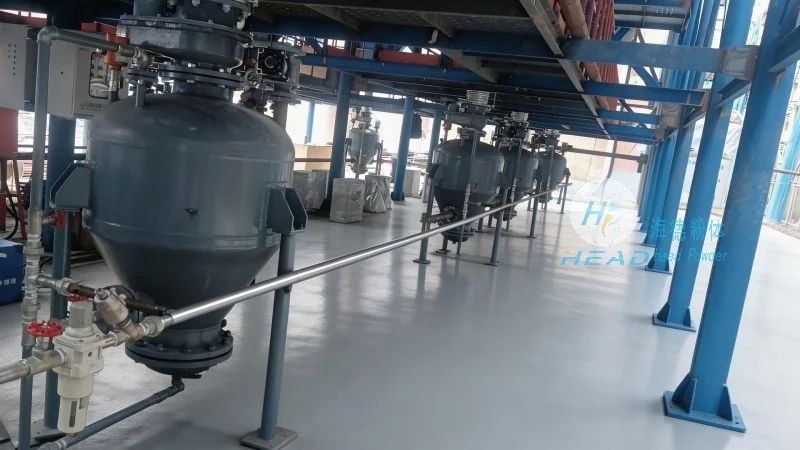
Key Design Principles for Wet Ammonium Nitrate Systems
The design of a wet ammonium nitrate material handling system is guided by several critical principles to ensure safety, efficiency, and compliance with industry standards. First, material compatibility is paramount. All components, including hoppers, conveyors, and storage tanks, must be constructed from materials that resist corrosion and chemical attack from wet ammonium nitrate. Common materials include stainless steel, special alloys, and lined components to protect against degradation. Second, process control is essential. The system incorporates advanced control systems to monitor and regulate parameters such as temperature, moisture content, and flow rates. This helps maintain the material's stability and prevent issues like caking or agglomeration. Third, safety measures are integrated throughout the design. This includes explosion-proof equipment, pressure relief valves, and emergency shutdown systems to mitigate risks associated with the material's potential reactivity. Fourth, efficiency and throughput are optimized through the use of high-capacity conveyors, such as screw conveyors or pneumatic systems, and efficient storage solutions like silos or bulk storage tanks. The design also considers space constraints and operational requirements to ensure the system can handle the required volume of material while minimizing downtime.
Core Components of a Wet Ammonium Nitrate Material Handling System
A wet ammonium nitrate material handling system typically consists of several key components that work together to achieve the desired functionality. The primary components include: 1. Storage Hoppers or Silos: These are used to store the wet ammonium nitrate before it is transferred to the processing or shipping stages. The design of these hoppers often includes internal liners or coatings to prevent corrosion and ensure the material remains in a stable state. 2. Conveying Equipment: This is the heart of the material handling system, responsible for moving the wet ammonium nitrate from the storage area to the next stage. Common types of conveying equipment include screw conveyors, belt conveyors, and pneumatic systems. Screw conveyors are particularly effective for wet materials as they can handle high volumes and maintain a consistent flow. 3. Processing Equipment: Depending on the application, the system may include additional processing equipment such as mixers, classifiers, or granulators. These components are designed to modify the wet ammonium nitrate into a desired form, such as granules or powders, for further use. 4. Control and Monitoring Systems: Modern wet ammonium nitrate systems are equipped with advanced control systems that monitor key parameters like temperature, moisture content, and flow rates. These systems use sensors and automation to ensure the material is handled under optimal conditions and to alert operators of any deviations or potential issues. 5. Safety and Protection Systems: Safety is a top priority in the design of these systems. This includes explosion-proof electrical components, pressure relief valves, and emergency shutdown mechanisms. Additionally, the system may include dust collection and ventilation systems to prevent the accumulation of dust, which can be a fire hazard.