

What is a Polyethylene Powder Material Handling System? What are the Design Principles?
For industrial applications involving the transportation of polyethylene powder, understanding the appropriate material handling systems is crucial for efficiency and safety. This article explores the concept of a polyethylene powder material handling system and delves into its fundamental design principles, providing insights into how such systems are engineered to meet the specific demands of powder processing industries.
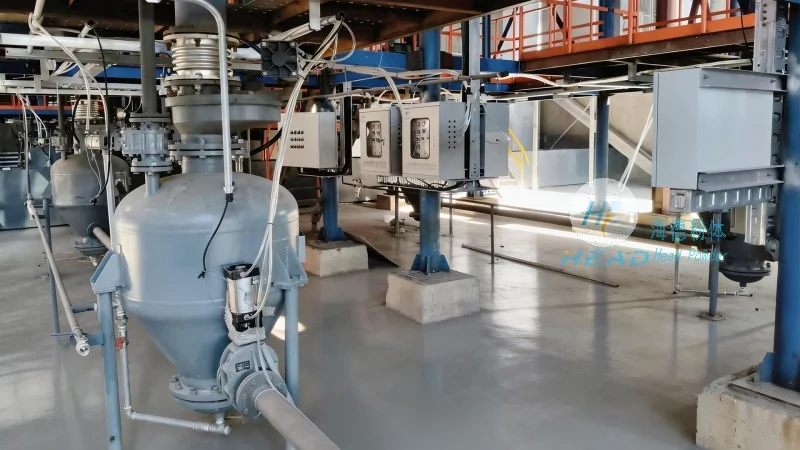
Introduction to Polyethylene Powder Material Handling Systems
Polyethylene powder, a versatile thermoplastic widely used in manufacturing, requires specialized handling solutions due to its fine particle size and potential for static charge accumulation. A polyethylene powder material handling system is a comprehensive setup designed to transport, store, and manage polyethylene powder from raw material reception to processing or packaging stages. These systems are engineered to ensure minimal dust generation, prevent material degradation, and maintain consistent flow rates, all while adhering to safety and operational standards.
Key Components of a Polyethylene Powder Material Handling System
The design of a polyethylene powder material handling system typically incorporates several critical components that work in tandem to achieve efficient material flow. These components include:
1. Feeding Equipment: This includes hoppers, feeders, and chutes that control the flow of polyethylene powder from storage silos or bulk containers into the processing line. Proper feeding equipment is essential to prevent blockages and ensure a uniform feed rate, which is vital for downstream processes like extrusion or molding.
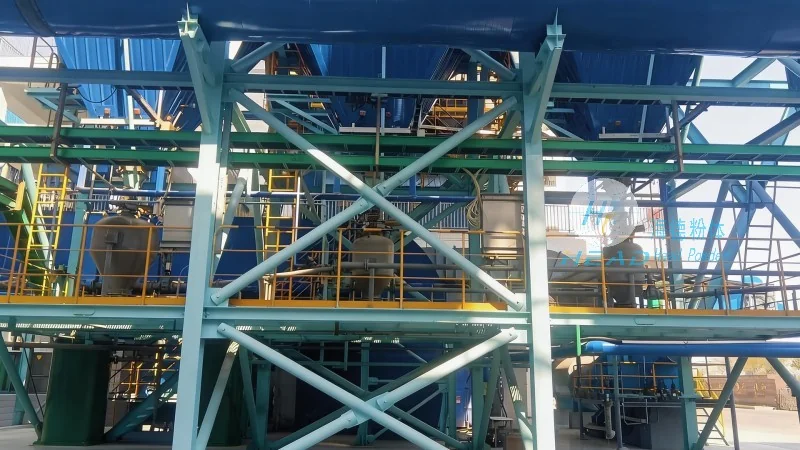
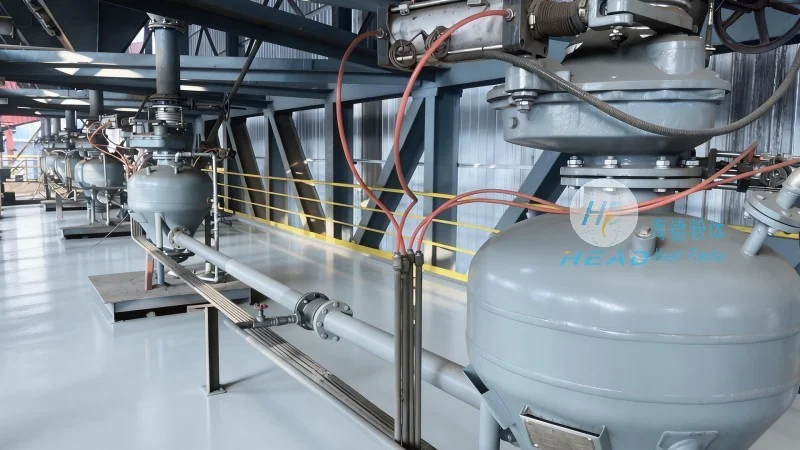
2. Pneumatic Conveying Systems: Many polyethylene powder handling systems utilize pneumatic conveying technology, which uses air pressure to transport powder through pipelines. This method is effective for long-distance or high-volume transport and can be categorized into pressure or vacuum systems, depending on the application requirements.
3. Storage Solutions: Storage silos or bulk bags are commonly used to store polyethylene powder before processing. These storage units are designed with features like anti-static coatings and venting systems to manage moisture and prevent material degradation. The storage capacity and design must align with the production scale and material handling needs.
4. Control and Monitoring Systems: Modern polyethylene powder material handling systems often integrate control panels and monitoring devices to track flow rates, pressure, and other critical parameters. These systems help operators maintain optimal performance, detect anomalies, and ensure the system operates within safe limits.
Design Principles for Polyethylene Powder Material Handling Systems
The design of a polyethylene powder material handling system follows several key principles to ensure reliability, efficiency, and safety. These principles are tailored to address the unique challenges posed by polyethylene powder, such as its tendency to form clumps or generate static electricity.
1. Prevention of Material Degradation: Polyethylene powder is sensitive to heat and mechanical stress, which can cause degradation and affect its properties. The design incorporates temperature-controlled components and gentle handling mechanisms to minimize exposure to these factors. For example, using low-friction materials for conveyor components and avoiding high-impact feeding methods can help preserve the powder's quality.
2. Static Control: Polyethylene powder is prone to static charge buildup, which can lead to dust explosions or material sticking to equipment. Design principles include incorporating anti-static materials, grounding systems, and ionizers to neutralize static charges. Proper grounding of all metal components and the use of conductive or antistatic conveyor belts are essential measures.
3. Prevention of Dust Generation: Dust control is a critical aspect of polyethylene powder handling to ensure workplace safety and compliance with regulations. The system design includes enclosed conveying lines, dust collection systems, and filtration units to capture and remove airborne particles. Enclosed hoppers and feeders also help contain dust within the system, reducing the risk of environmental contamination.
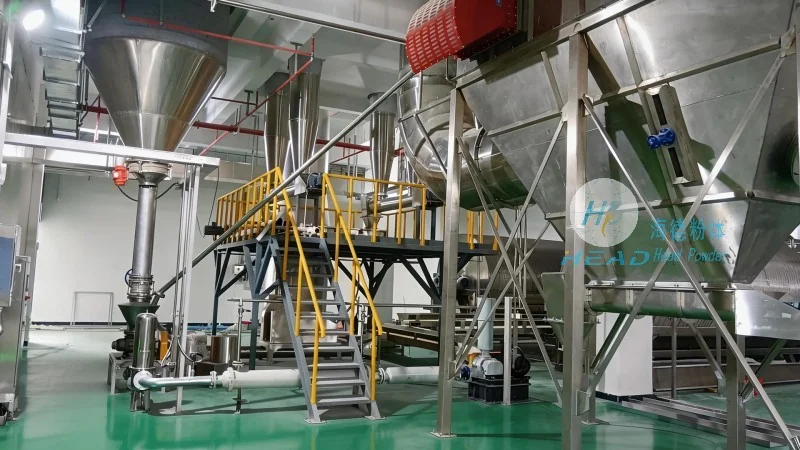
4. Efficient Material Flow: Ensuring consistent and smooth material flow is paramount for maintaining production efficiency. The design considers factors like particle size distribution, bulk density, and flow characteristics of polyethylene powder. By optimizing hopper angles, feeder speeds, and conveying velocities, the system can achieve uniform flow rates, minimizing bottlenecks and ensuring steady operation.
Applications and Benefits of Polyethylene Powder Material Handling Systems
Polyethylene powder material handling systems are widely used in various industries, including plastics manufacturing, chemical processing, and food processing. The benefits of implementing such systems include improved operational efficiency, reduced material loss, enhanced safety, and compliance with environmental regulations. For manufacturers of polyethylene products, a well-designed material handling system can lead to cost savings, increased productivity, and better product quality.
By adhering to the design principles outlined above, companies can develop robust polyethylene powder material handling systems that meet the specific needs of their operations. These systems not only ensure the safe and efficient transport of polyethylene powder but also contribute to the overall success of the production process.